


The moisture barrier on the inside of aluminum jacketing is easy to overlook during procurement, yet it can affect how well the metal jacket tolerates storage, fabrication, installation and service conditions. Polysurlyn-based film and polykraft backing are both used with aluminum insulation jacketing, but they are not interchangeable by name alone. The right choice depends on the project environment, the insulation system, handling practices and the written specification.
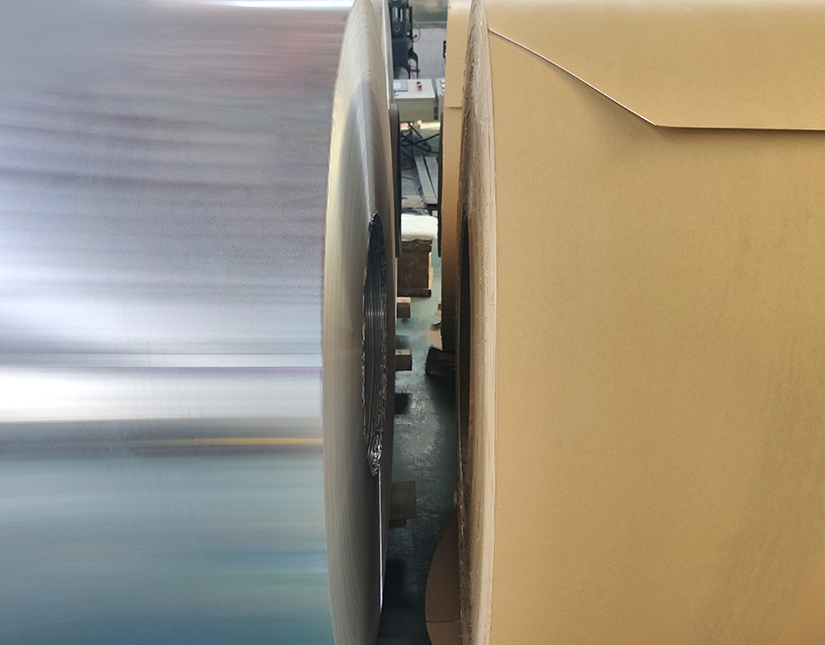
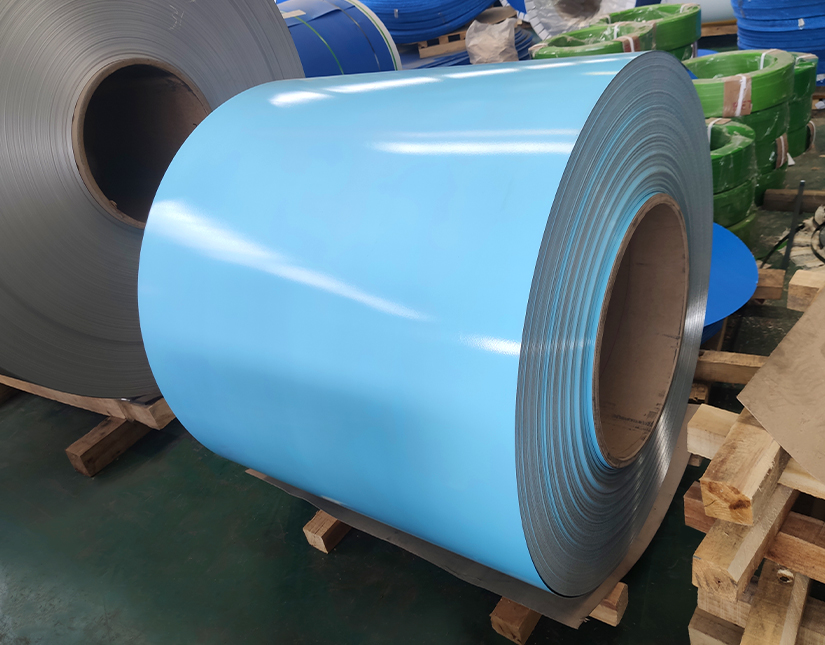
Aluminum jacketing forms the outer protective layer around insulated pipe, tanks and equipment. The jacket helps shield the insulation system from weather and mechanical contact. A factory-applied barrier on the inner face adds separation between the aluminum and moisture that may reach the inside of the jacket.
This barrier is a supporting part of the complete insulation system. It does not replace correctly formed laps, sealed penetrations, suitable bands and fasteners, drainage details or disciplined installation. A buyer should evaluate the jacket, barrier, insulation, accessories and installation method together.
A polymer-film barrier is laminated to the inner face of the metal and is intended to remain continuous through normal handling and forming.
A polykraft backing combines a kraft-paper layer with a polymer component or adhesive system, depending on the supplier’s construction.
Either option still requires protection from cuts, punctures, wet storage and poor joint detailing.
The most useful comparison is not simply “which material is better?” It is “which construction matches the exposure, fabrication process and project specification?”
Polysurlyn-type moisture barriers are multi-layer polymer films factory laminated to the inner surface of metal jacketing. Because the barrier is film-based rather than paper-based, buyers often consider it for projects where moisture exposure, rough handling or damage resistance are important concerns. The exact film construction, bond, thickness and test requirements must still be confirmed with the supplier and project specification.
Polykraft uses kraft paper as part of the backing construction. It remains a familiar option in insulation-jacketing supply chains and may fit projects whose written specification, installation practices and budget are built around that material. The paper-containing layer should be kept dry and protected from tears during storage and fabrication. Buyers should confirm the backing construction rather than relying only on the word “polykraft.”
Two coils sold under the same general barrier name may differ in aluminum alloy, temper, metal thickness, surface finish, barrier construction, lamination quality, roll dimensions and packaging. A useful quotation therefore describes the complete product, not only the lining type.
| Factor | Polysurlyn-based Film | Polykraft |
|---|---|---|
| Construction | Polymer film | Kraft paper + polymer/adhesive backing |
| Moisture Exposure | Better suited to demanding moisture exposure | Better where storage and handling remain controlled |
| Handling | No paper layer | Paper-containing layer requires more care |
| Fabrication | Suitable when specified and verified | Suitable when the specification and handling practices support it |
| Common Selection Driver | Moisture, durability and handling concerns | Existing specification, conventional use and cost |
| Best Practice | Confirm the actual film construction | Confirm the actual backing construction |
Note: Selection should be based on the actual service environment, project specification, fabrication method and handling conditions. Barrier names alone should not be treated as complete performance specifications.
Use the following process before requesting a final quotation.
Define the service environment. State whether the system is indoors, outdoors, washed down, exposed to coastal air, industrial contaminants or frequent mechanical contact. Also identify the operating-temperature range of the insulated system, but do not assume that the jacket lining alone sets the system temperature limit.
Check the governing documents. Review the owner specification, insulation-system design, local requirements and approved-material list. If a barrier type or test method is named, quote it exactly and ask suppliers to identify any exception before pricing.
Describe fabrication and installation. Explain whether the material will be slit, rolled, corrugated, embossed or cut on site. Confirm roll width, coil weight, preferred finish and how laps, elbows and penetrations will be formed and sealed.
Assess handling risk. Consider warehouse humidity, outdoor staging, transport distance, edge protection and the chance of puncturing the inner lining. Packaging and installation discipline can matter as much as the nominal barrier type.
Request evidence for the offered construction. Ask for a current data sheet, sample, barrier description and agreed inspection documents. Any acceptance value should be linked to a named method and project requirement.
A clear request for quotation reduces substitutions and makes offers easier to compare. Include:
application and service environment;
insulation-system and project specification reference;
aluminum alloy, temper and metal thickness, if already defined;
smooth, stucco-embossed or other required finish;
polysurlyn-type film, polykraft or another specified inner barrier;
barrier construction and any required verification method;
roll or sheet dimensions, coil inside diameter and maximum coil weight;
fabrication steps that will occur before installation;
surface protection, interleaving, edge protection and export packing;
quantity, delivery destination and required documentation.
Do not accept a general claim such as “moisture proof” as the complete specification. Ask what material is bonded to the aluminum, how it is applied and what evidence will be supplied for the agreed requirement.
The lowest material price may exclude the requested barrier construction, finish, packaging or documentation. Compare offers against one RFQ line by line.
An inner lining cannot correct open laps, unsealed penetrations or damaged insulation. The complete jacket system and installation details must control water entry.
Wet storage, dragging coils, sharp tools and uncontrolled forming can damage a backing before it reaches the pipe. Define inspection points from receipt through installation.
Terms such as corrosion resistant or durable are not acceptance criteria by themselves. Connect each critical requirement to the project environment, test method and pass condition.
Before a large order, compare a representative sample with the requested aluminum surface, backing, bond, thickness and fabrication behavior. Keep the approved sample or documented construction as the reference for production inspection.
Worthwill currently lists both aluminum insulation jacketing with a polysurlyn moisture barrier and aluminum insulation jacketing with polykraft moisture barrier. Buyers should send the application, dimensions, finish, inner-barrier requirement, fabrication method and project specification for confirmation. Final alloy, temper, thickness, barrier construction and acceptance documents should be agreed in the quotation or contract rather than inferred from a general article.
Polysurlyn and polykraft can both appear in aluminum-jacketing specifications, but a reliable choice begins with the service environment and the complete insulation-system design. Polymer-film construction may be attractive where resistance to moisture and handling damage is a priority, while polykraft may remain appropriate where the project specification and controlled handling support it. In either case, define the full construction, inspect a representative sample and confirm the installation details. For a project-specific starting point, review Worthwill’s polysurlyn-lined aluminum insulation jacketing and submit the actual service and fabrication requirements for technical confirmation.