Related Products



Position: Home > Products > Mill Finish Aluminum
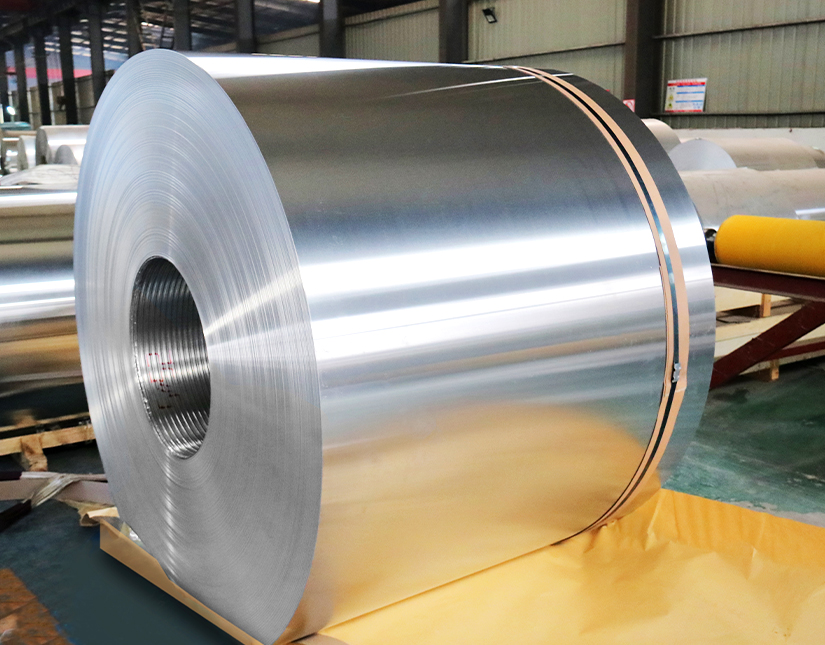
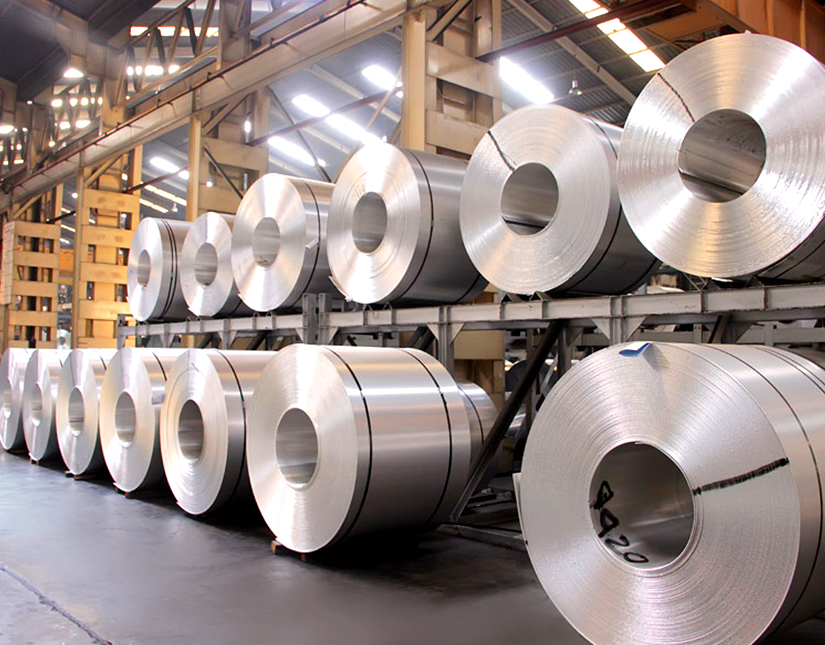
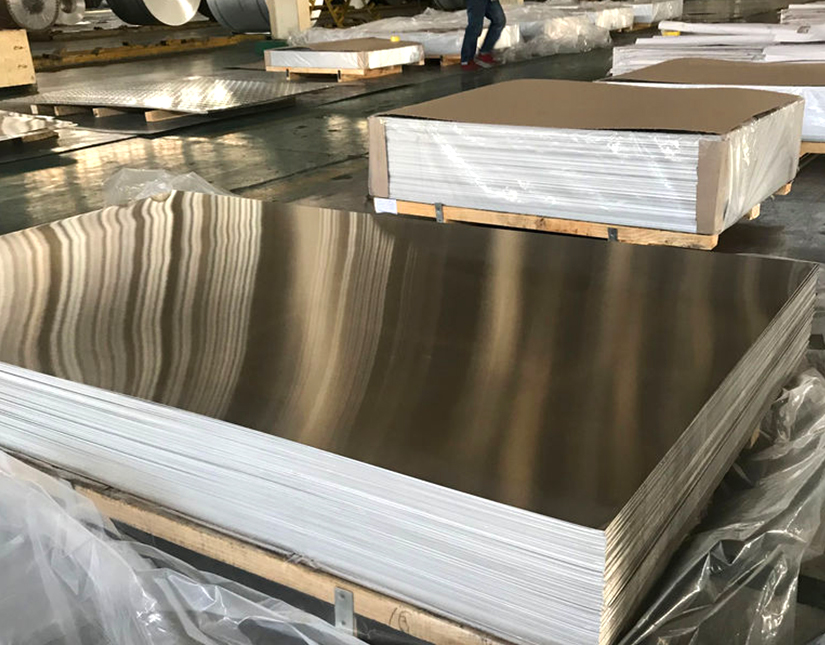
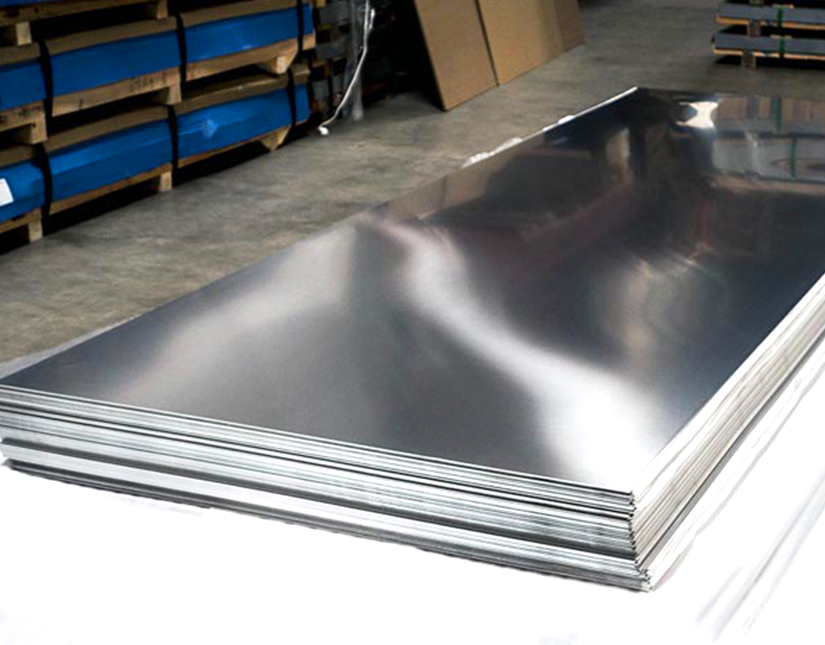
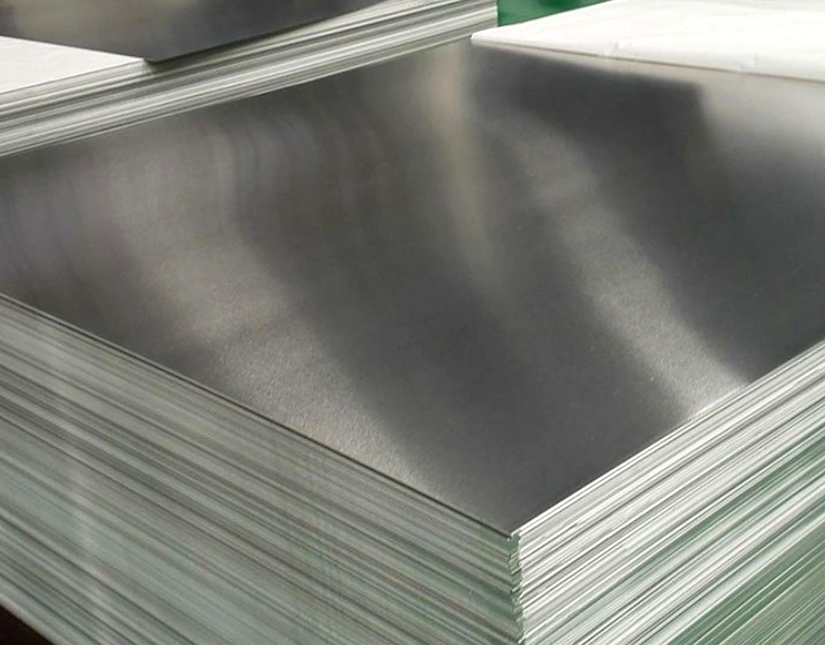
3005 mill finish aluminum is a non-heat-treatable aluminum-manganese-magnesium alloy supplied in sheet, coil and strip form. It offers a practical combination of strength, formability and corrosion resistance for roofing, roll forming, architectural components and industrial fabrication.
Henan Worthwill Industry Co., Ltd. supplies 3005 aluminum sheet and coil in commonly requested O, H14 and H24 tempers, with other conditions subject to specification review. Slitting, cut-to-length processing, leveling and surface protection can be arranged according to project requirements.
Our general minimum order quantity is 3 metric tons. For a quotation, please provide the required temper, thickness, width, sheet length or coil dimensions, quantity, application and destination. Final availability and pricing are confirmed against the order specifications.
3005 aluminum sheet and coil are non-heat-treatable 3xxx-series aluminum products that combine useful mechanical strength with good formability and corrosion resistance. With manganese and magnesium as the principal alloying elements, AA 3005 is suitable for a range of rolled and fabricated products, particularly where commercially pure aluminum does not provide the required strength.
Henan Worthwill Industry Co., Ltd. supplies 3005 mill finish aluminum sheet, coil and slit strip for roofing components, roll forming, architectural sheet metal, shutters, equipment housings and further surface processing. Material selection, available dimensions and processing options are reviewed according to the required temper, thickness, application and order quantity.
3005 is a wrought aluminum-manganese-magnesium alloy belonging to the 3xxx series. Its common designations include AA 3005, EN AW-3005, UNS A93005 and AlMn1Mg0.5. The alloy contains 1.0–1.5% manganese and 0.20–0.60% magnesium, with aluminum making up the balance.
The addition of manganese and magnesium provides greater strength than commercially pure aluminum while retaining useful forming characteristics. Compared with 3003 aluminum, 3005 generally offers higher strength in comparable tempers, although the actual difference depends on thickness and the applicable mechanical-property standard.
3005 is not a precipitation-heat-treatable alloy. Its strength and hardness are controlled primarily through cold working and temper selection. Buyers should therefore specify the required condition rather than ordering by alloy number alone.
3005 aluminum is mainly supplied as flat-rolled material. Sheet, coil and slit strip are produced for different manufacturing processes, and the appropriate form depends on the customer's fabrication equipment and finished-part dimensions.
3005 aluminum sheet is suitable for cutting, bending, stamping, panel fabrication and general sheet-metal work. Flat sheets can be supplied in agreed dimensions or produced by cut-to-length processing from suitable coil stock. Common applications include covers, enclosures, ceilings, architectural panels and formed industrial components.
3005 aluminum coil is suitable for continuous processes such as roll forming, slitting, stamping and coil coating. It can be used as base material for selected roofing profiles, gutters, shutters and other formed products. Narrow-width aluminum strip can also be considered for trim, smaller components and continuous fabrication.
Worthwill can discuss slitting, leveling, cut-to-length processing, edge trimming and protective film according to the order requirements. Final sheet and coil dimensions, coil inner diameter, coil weight and packing arrangements should be confirmed before production.
Temper selection affects the mechanical strength, elongation, bending performance and springback of 3005 aluminum. O, H14 and H24 are useful starting points for specifying mill finish sheet and coil, but they do not provide identical forming behavior.
3005-O is the annealed condition. It provides lower strength but higher ductility than strain-hardened tempers, making it a practical choice for parts requiring substantial deformation, bending or drawing. Forming limits still depend on thickness, tooling and component geometry.
3005-H14 is a strain-hardened half-hard temper. It provides higher strength and hardness than the O condition and is suitable for many sheet-metal applications where the part needs reasonable shape retention without extensive forming. Bending radius and forming direction should be checked before selecting H14 for demanding profiles.
3005-H24 is strain hardened and then partially annealed to a half-hard condition. It can provide a useful balance of strength and formability for roll-formed panels, roofing components and coating substrates. H14 and H24 may share the same specified tensile-strength range, but their processing routes and minimum proof-strength and elongation requirements differ.
Other conditions, including H12, H16, H18, H22 and H26, may be reviewed where the relevant standard and production route permit. For close-radius bending, complex stamping or drawing, the required elongation, bend radius and final part geometry should be provided for technical confirmation.
3005 offers higher mechanical strength than common commercially pure aluminum grades and retains useful fabrication performance. It can be bent, stamped and roll formed in suitable tempers. As the degree of strain hardening increases, strength generally increases while the available ductility decreases.
3005 aluminum develops a natural oxide layer and offers good corrosion resistance in many general atmospheric and industrial environments. For prolonged marine exposure, aggressive chemicals or particularly demanding outdoor applications, the complete service conditions and any protective coating requirements should be evaluated before material selection.
3005 can be welded and joined using suitable aluminum fabrication procedures. Welding methods, filler material, joint design and the resulting properties of the welded area should be assessed according to the application. The alloy can also be mechanically fastened, formed or fabricated into finished sheet-metal products.
Mill finish 3005 aluminum can serve as a substrate for painting, coil coating and other suitable finishing processes. Proper cleaning and surface pretreatment are necessary to achieve the required coating performance. The finished appearance and service life depend on the selected coating system, process controls and exposure conditions.
3005 aluminum coil can be considered for roll-formed roofing profiles, wall cladding components, flashing, gutters and downpipes. The combination of manageable weight, corrosion resistance and forming capability is useful for building products, provided that the temper, thickness, structural design and fastening system meet the project requirements.
For specialized roof designs, buyers may also compare 3004 aluminum sheet and coil and 3105 aluminum sheet and coil.
3005 aluminum coil is a possible base material for prepainted roofing, architectural panels and other coated products. After appropriate cleaning and pretreatment, a specified coating system can be applied according to the finished product's forming and weather-resistance requirements.
For projects requiring a finished painted surface rather than natural mill finish aluminum, see Worthwill's Color Coated Aluminum Coil & Sheet. Coating type, color, gloss, film thickness and surface protection should be specified separately from the aluminum alloy.
3005 sheet and strip can be used for selected roller shutter components, ceiling systems, furniture parts, appliance covers, equipment housings and other fabricated products. Material suitability depends on the load, forming process, dimensional tolerances and final surface requirements.
For these applications, specifying the exact temper and processing requirements is more useful than relying on a broad description such as general-purpose aluminum sheet.
3003, 3004, 3005 and 3105 belong to the 3xxx-series aluminum alloy family, but their compositions, mechanical-property ranges and typical applications differ. They should not be treated as interchangeable without checking the drawing and material specification.
3003 is a widely used general-purpose aluminum-manganese alloy with good corrosion resistance and formability. 3005 contains an additional controlled amount of magnesium and generally provides greater strength in comparable tempers. Choose 3005 where the specified mechanical properties or application justify that difference; choose 3003 when its properties already meet the manufacturing requirements.
3004 also contains manganese and magnesium, but its specified magnesium content is higher than that of 3005. In comparable tempers, 3004 generally provides a higher strength level. Both alloys can be considered for forming and architectural sheet applications, depending on the required strength, forming performance and material specification.
3105 is commonly used in roofing, gutters, siding, color-coated aluminum and other architectural products. Although 3105 and 3005 can serve similar markets, their chemical composition and temper-dependent properties are different. Select the alloy according to the project specification, processing method and required mechanical performance rather than substituting one grade automatically.
For applications requiring greater strength or more demanding corrosion performance, 5052 aluminum sheet and coil may also be considered after technical review.
Mill finish refers to the natural surface produced by rolling. It has no decorative paint, anodized layer or mirror-polished finish. Fine rolling lines, slight variations in appearance and normal industrial surface characteristics may be present depending on the production process and inspection requirements.
Where the surface will remain visible, buyers should specify the acceptable appearance, required protection and any restrictions on scratches, stains or surface defects. For coating, printing, bonding or laminating, cleaning and suitable pretreatment should be included in the downstream processing plan.
3005 aluminum sheet and coil can be specified according to applicable ASTM B209/B209M, EN 573, EN 485, GB/T 3880 or other agreed material requirements. The purchase specification should identify the alloy, temper, dimensions, applicable standard and any special tolerances.
Depending on the confirmed order, inspection can cover chemical composition, tensile properties, thickness, width, flatness, surface condition, edge quality and coil dimensions. Mill test certificates and third-party inspection requirements should be discussed before production. Export packing can include moisture-resistant wrapping, edge protection, strapping and suitable pallets or cases.
The general minimum order quantity for 3005 aluminum sheet and coil is 3 metric tons, subject to specification and order confirmation. For confirmed standard orders, dispatch is arranged within 30 days after receipt of the final balance payment, according to the agreed order terms.
3005 aluminum sheet and coil prices are quoted according to the aluminum market price at the time of ordering, alloy and temper, thickness, width, quantity, processing, packing and delivery terms. A fixed FOB price cannot accurately represent every specification.
Generally, yes. In comparable tempers, 3005 usually provides higher strength because it contains magnesium in addition to manganese. The actual mechanical-property difference should be checked against the specified temper, thickness and standard.
Both are half-hard tempers. H14 is strain hardened, while H24 is strain hardened and partially annealed. They may have the same specified tensile-strength range, but their minimum proof-strength and elongation requirements can differ. The correct choice depends on the forming process and finished-part requirements.
Yes. Suitable 3005 aluminum sheet and coil can be used for selected roofing profiles and architectural sheet-metal products. The required temper, thickness, panel geometry, design loads, fastening arrangement and coating system must be confirmed for the project.
Yes. 3005 can be used as a substrate for suitable color-coating systems after proper surface cleaning and pretreatment. Coating performance depends on the selected system and production controls.
Please provide the alloy and standard, temper, thickness, width, sheet length or coil dimensions, order quantity, application, surface requirements, inspection requirements and destination port. Drawings or samples are helpful when specific forming or appearance requirements apply.
Henan Worthwill Industry Co., Ltd. supplies 3005 mill finish aluminum sheet, coil and strip for industrial and architectural applications. Send your specifications to admin@worthwillal.com or use our contact form. Our sales team will review material availability, processing requirements, packing and delivery arrangements before providing a quotation.
| Item | Specification |
|---|---|
| Product Name | 3005 Mill Finish Aluminum Sheet & Coil |
| Alloy Designation | AA 3005 / EN AW-3005 / UNS A93005 |
| Alloy Family | 3xxx Aluminum-Manganese-Magnesium |
| Product Forms | Aluminum sheet, coil, slit strip, cut-to-length sheet |
| Commonly Requested Tempers | O, H14, H24 |
| Other Tempers | H12, H16, H18, H22, H26 and others subject to specification and production confirmation |
| Reference Thickness Range | 0.20–5.00 mm, indicative enquiry range |
| Reference Width Range | 30–1800 mm across applicable sheet, coil and slit-strip forms; subject to confirmation |
| Sheet Length | Custom cut-to-length, subject to production capability |
| Surface Finish | Natural mill finish |
| Processing Options | Slitting, leveling, cut-to-length, edge trimming |
| Surface Protection | Protective film or other agreed protection where applicable |
| Main Applications | Roofing, gutters, roll forming, shutters, architectural components, coating substrates, industrial fabrication |
| Applicable Standards | ASTM B209/B209M, EN 573, EN 485, GB/T 3880, as agreed |
| MOQ | Generally 3 metric tons |
| Dispatch Time | Within 30 days after receipt of final balance payment, according to agreed order terms |
| Pricing | Quotation based on current aluminum market price and confirmed order specifications |
The thickness and width figures above are indicative enquiry ranges, not guaranteed availability for every 3005 temper or product form. Final dimensions, tolerances and processing capability must be confirmed before quotation.
| Element | Composition (wt. %) |
|---|---|
| Manganese (Mn) | 1.00–1.50 |
| Magnesium (Mg) | 0.20–0.60 |
| Silicon (Si) | ≤ 0.60 |
| Iron (Fe) | ≤ 0.70 |
| Copper (Cu) | ≤ 0.30 |
| Chromium (Cr) | ≤ 0.10 |
| Zinc (Zn) | ≤ 0.25 |
| Titanium (Ti) | ≤ 0.10 |
| Other Elements, Each | ≤ 0.05 |
| Other Elements, Total | ≤ 0.15 |
| Aluminum (Al) | Balance |
Reference composition for EN AW-3005 according to EN 573-3. Final chemical acceptance follows the alloy designation, applicable standard and agreed material test documentation.
The following reference values apply to EN AW-3005 sheet and strip with a nominal thickness over 0.5 mm and up to 1.5 mm, based on EN 485-2:2016+A1:2018. Values for other thickness ranges or standards may differ.
| Temper | Thickness (mm) | Tensile Strength Rm (MPa) | Proof Strength Rp0.2 (MPa), Min. | Elongation A50 (%), Min. |
|---|---|---|---|---|
| O | >0.5–1.5 | 115–165 | 45 | 14 |
| H14 | >0.5–1.5 | 170–215 | 150 | 2 |
| H24 | >0.5–1.5 | 170–215 | 130 | 4 |
These are standard reference limits for the stated thickness range, not test results from a specific production batch. Certified properties must be confirmed according to the purchase specification and material test certificate.
| Property | Typical Reference Value |
|---|---|
| Density | Approximately 2.73 g/cm³ |
| Elastic Modulus | Approximately 69.5 GPa |
| Thermal Conductivity | Approximately 160 W/(m·K) |
| Electrical Conductivity | Approximately 42% IACS |
| Coefficient of Linear Thermal Expansion | Approximately 23.1 × 10⁻⁶/K (20–100°C) |
| Melting Range | Approximately 635–655°C |
Physical properties are approximate reference values and may vary with material condition, temperature and measurement method. They should not replace project-specific engineering design data or certified test results.
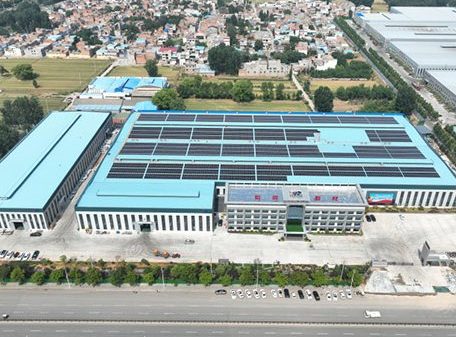
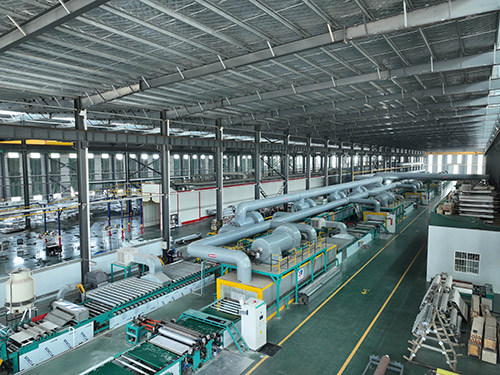

Send us your product, alloy, size, quantity and application requirements for a detailed quotation.