Download Products Catalogue
 Related Products



Position: Home > Products > Architectural Aluminum
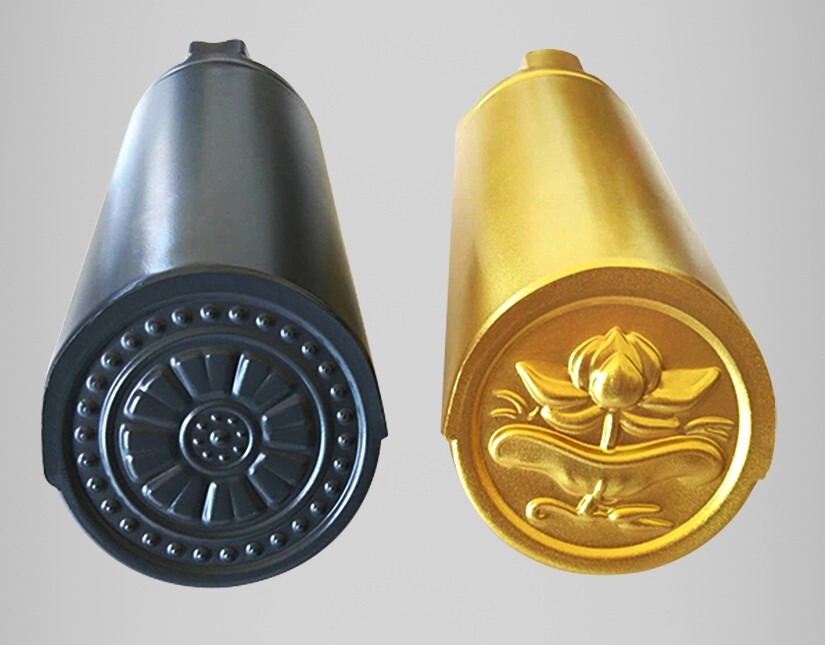
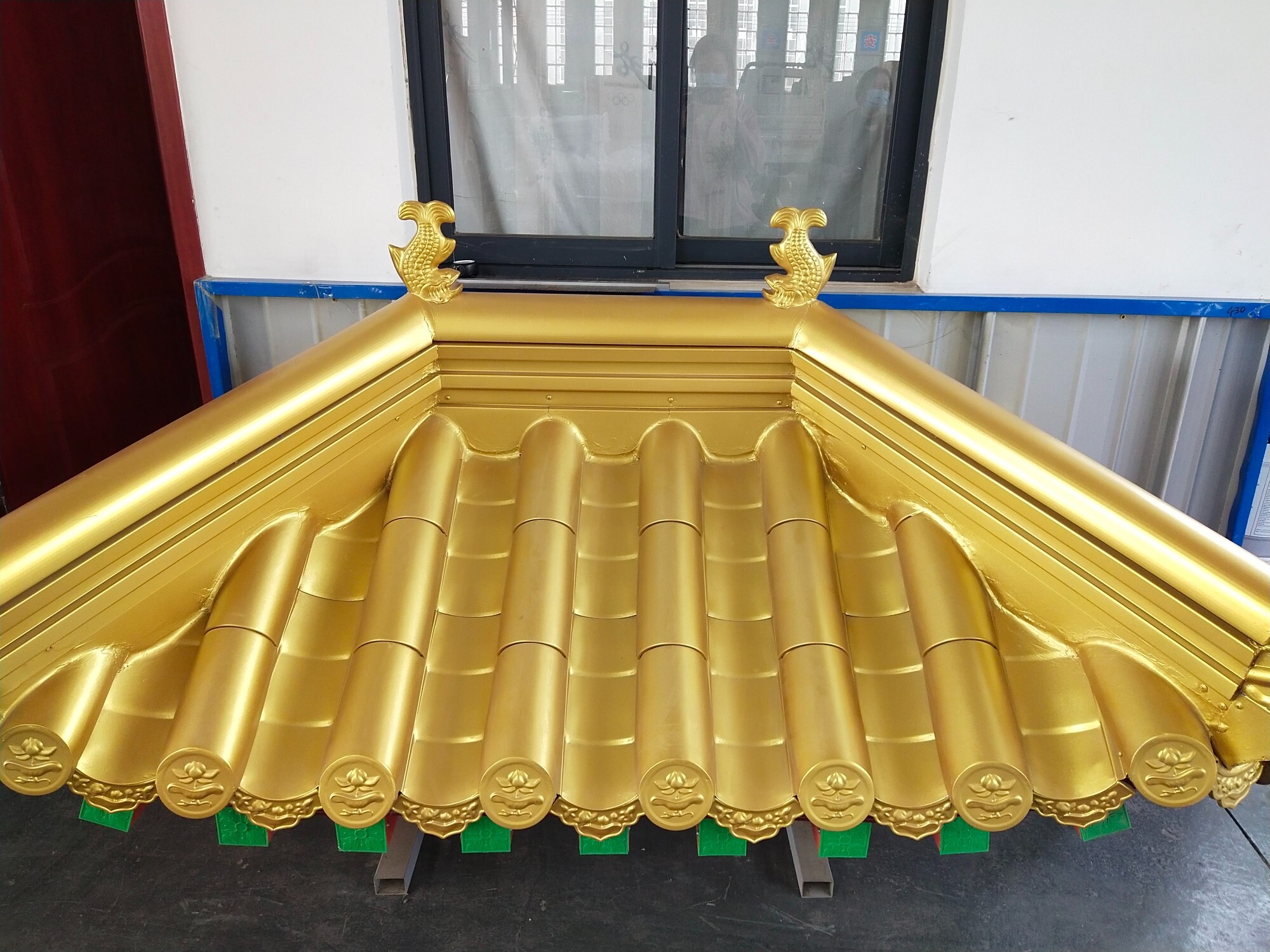
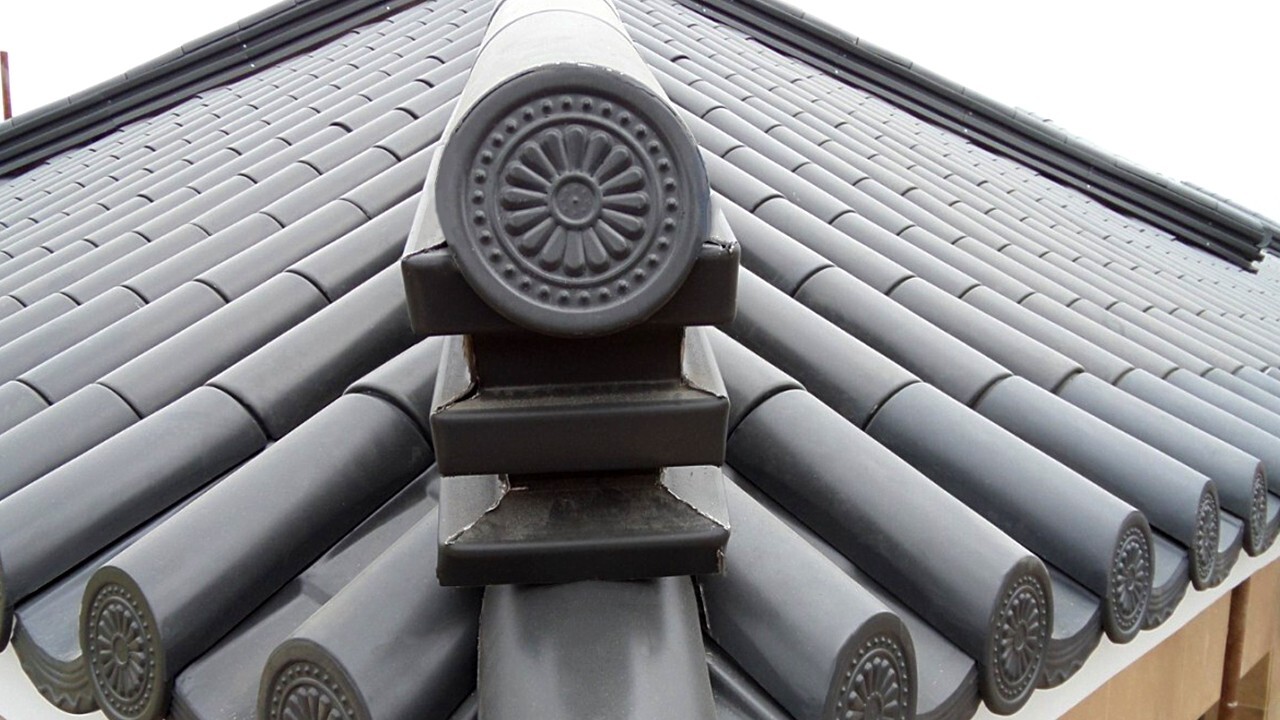
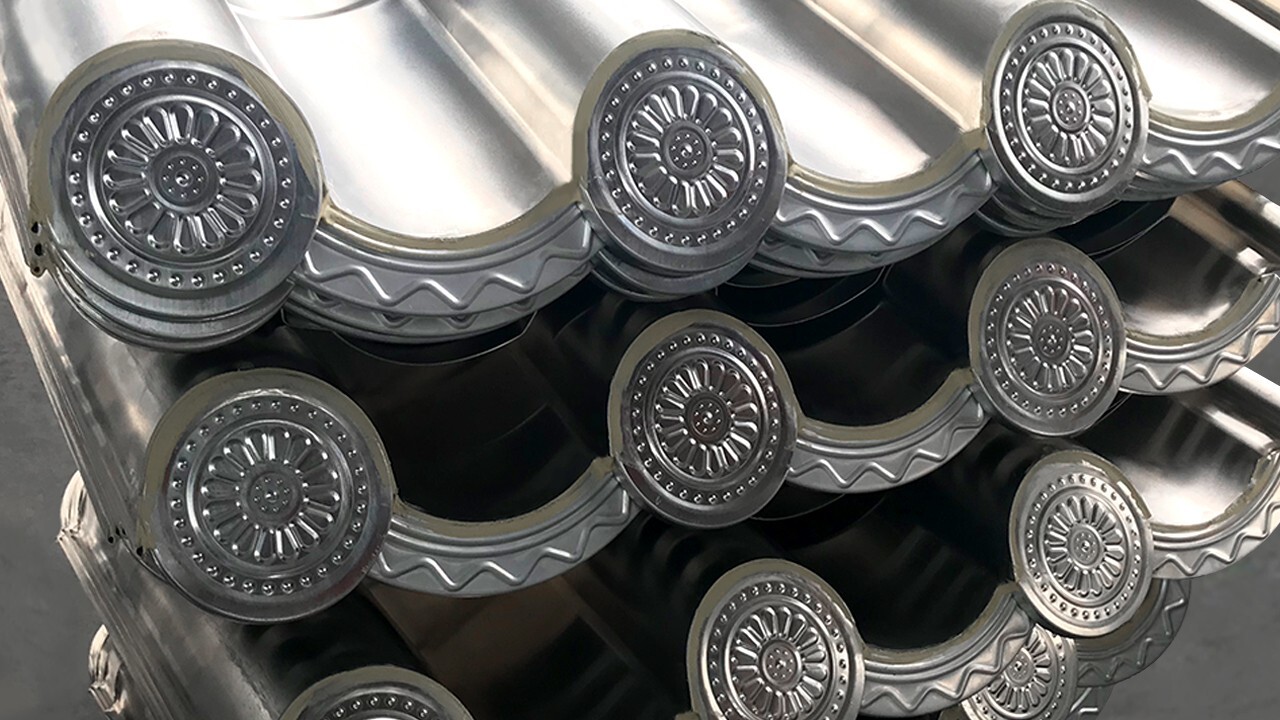
Worthwill manufactures aluminum antique tiles for Chinese-style roofs, temples, pavilions, cultural buildings, landscape architecture and heritage renovation projects. The tiles reproduce the curved profiles and decorative appearance of traditional Chinese roofing while using lightweight formed aluminum alloy instead of conventional clay or glazed ceramic.
Common aluminum options include 3003, 3004 and 5052, with PVDF-coated finishes available for exterior applications. Standard base aluminum thicknesses include 1.0 mm and 1.2 mm, while tile dimensions, profiles, colors and decorative components can be customized according to drawings, samples and project requirements.
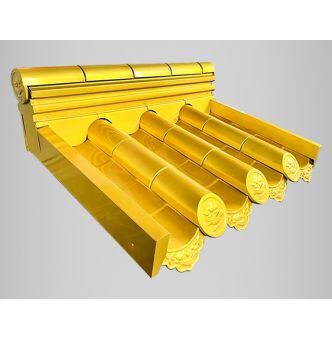
Worthwill supplies barrel tiles, pan or flat tiles, eave and drip components, ridge-related profiles and customized antique roofing parts for new Chinese-style construction and renovation projects.
Aluminum antique tile is a formed metal roofing product designed to reproduce the curved profiles, layered roof lines and decorative character of traditional Chinese roof tiles. Instead of clay or glazed ceramic, the tile body is made from aluminum alloy and formed into the required barrel, pan, eave, drip or other architectural profile.
Henan Worthwill Industry Co., Ltd. manufactures aluminum antique roof tiles for temples, pavilions, Chinese-style villas, cultural buildings, landscape projects, commercial streets, scenic areas and heritage renovation. Common aluminum alloys include 3003, 3004 and 5052, selected according to forming requirements, strength, corrosion resistance and the finished roofing design.
For exterior architectural projects, PVDF-coated aluminum is commonly specified because the coating system provides controlled color and additional weathering protection. Standard base aluminum thicknesses include 1.0 mm and 1.2 mm, while other specifications, tile dimensions, profiles and accessory components can be evaluated according to drawings, samples and project requirements.
These products may also be described as Chinese aluminum roof tiles, metal antique roof tiles, Chinese-style metal roof tiles or aluminum tiles for traditional Chinese architecture. Because the term “Chinese roof tile” is also widely used for clay and glazed ceramic products, buyers should clearly specify aluminum alloy when requesting quotations.
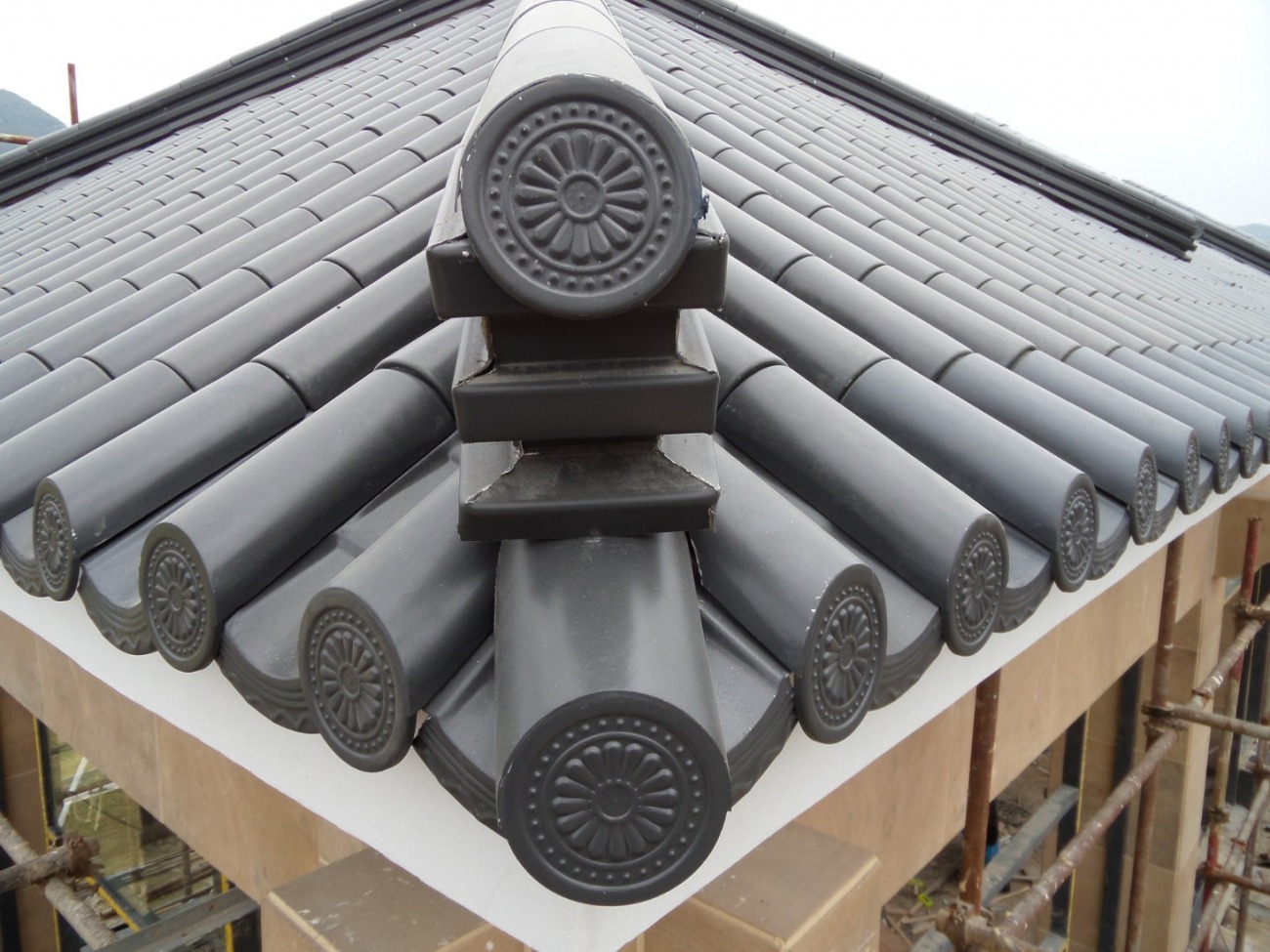
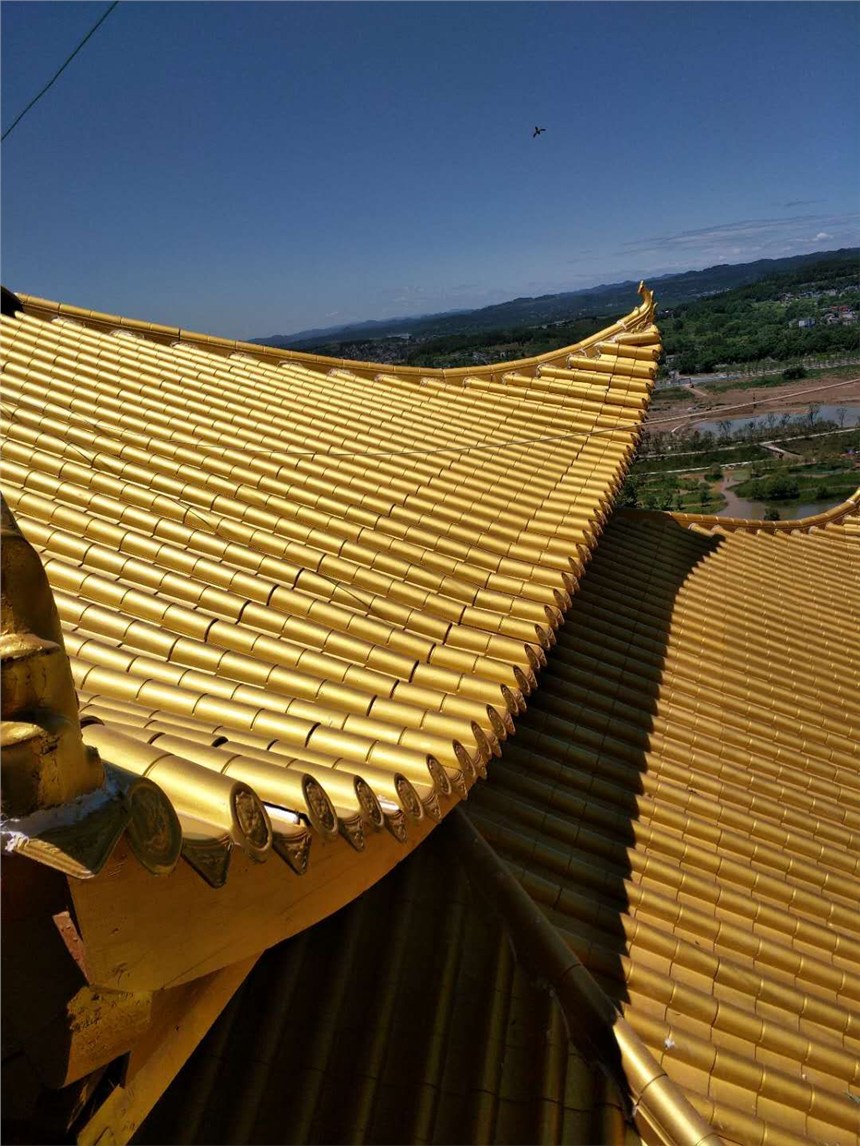
Traditional Chinese roofs commonly use combinations of curved cover tiles, pan tiles, eave pieces, drip components and decorative ridge elements to create a distinctive layered roof profile. Aluminum antique tiles reproduce this architectural appearance using formed aluminum components rather than conventional fired clay tiles.
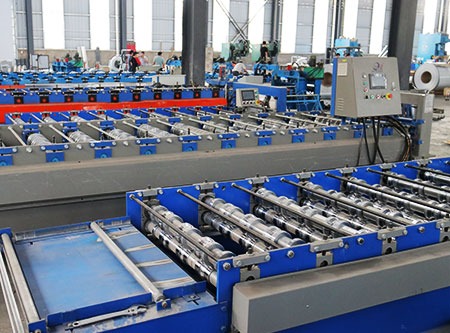
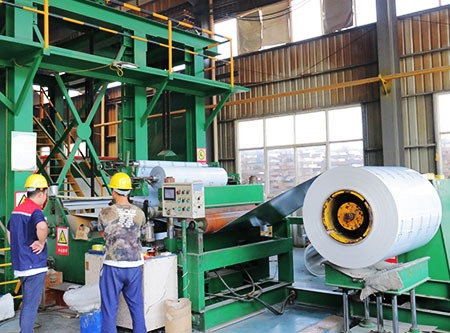
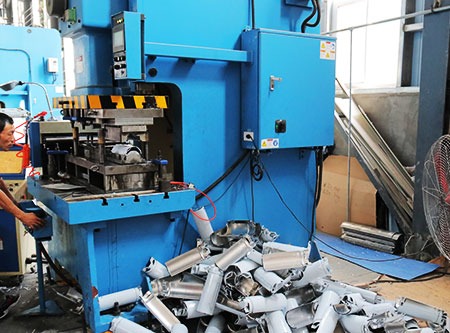
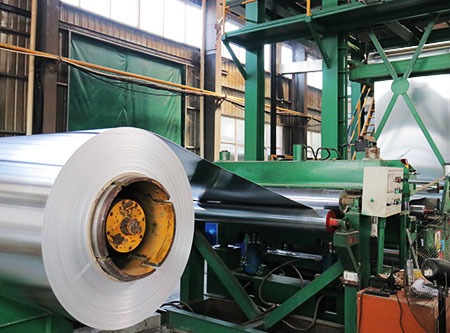
Production normally starts with an aluminum sheet or coated aluminum substrate. The material is cut and formed into the required profile through stamping, bending, pressing or other sheet-metal forming processes. Surface finishing is then selected according to the project, with PVDF-coated finishes commonly used when long-term exterior color and weathering performance are important.
The finished roofing system can therefore retain the visual language of traditional Chinese architecture while benefiting from the light weight, formability and corrosion resistance of aluminum. Exact performance depends on the selected alloy, thickness, coating system, tile geometry, supporting structure, fasteners and installation design.
Material: Aluminum antique tiles use formed aluminum alloy as the base material, while traditional Chinese roof tiles are normally manufactured from fired clay or ceramic materials.
Weight: Aluminum roofing components are comparatively lightweight, which can reduce dead load on the supporting roof structure and simplify handling during transportation and installation.
Breakage: Fired clay tiles can crack or break during transport, handling or impact. Formed aluminum tiles do not fail in the same brittle manner, although they should still be protected against dents and deformation during packing and installation.
Customization: Aluminum sheet can be formed into project-specific profiles and manufactured in different colors and dimensions. This makes it suitable for both newly designed Chinese-style architecture and renovation projects requiring non-standard components.
Surface appearance: Traditional glazed roof tiles obtain their color and gloss through ceramic glazing. Aluminum antique tiles achieve the required appearance through a specified architectural coating or finishing system, so an approved physical color sample is recommended for appearance-critical projects.
Aluminum Barrel / Cover Tile: A convex curved roofing component that creates the characteristic raised lines seen across many traditional Chinese roofs. It is normally installed together with the corresponding pan or base tile.
Aluminum Pan / Flat Tile: The lower roofing component positioned beneath or between the raised cover tiles. Its profile, overlap and effective width should be matched to the complete roofing system rather than ordered as an isolated decorative piece.
Aluminum Eave Tile: Used along the roof edge to complete the visible eave line. Decorative patterns, dimensions and edge profiles can be manufactured according to the architectural drawing or approved sample.
Aluminum Drip Tile: Installed around the lower roof edge as part of the traditional eave arrangement. The profile can combine drainage function with decorative Chinese-style architectural details.
Ridge and Decorative Components: Ridge-related metal profiles, end pieces and other decorative roofing components can be evaluated according to the building design. Complex architectural ornaments should be confirmed from drawings, dimensions or physical samples before quotation.
Lightweight Roofing System: Aluminum has a low density compared with many conventional roofing materials. Using formed aluminum components can reduce roof dead load and can be particularly useful for large decorative roofs, renovation projects and structures where excessive tile weight is undesirable.
Good Formability: Suitable aluminum alloys can be stamped, pressed and bent into curved profiles, allowing traditional roof geometry to be reproduced with consistent dimensions in batch production.
Corrosion Resistance: Aluminum naturally develops a protective oxide layer, while an appropriate architectural coating provides additional surface protection and color control for outdoor roofing applications.
Color Flexibility: Yellow, green, red, grey, black, bronze and other colors can be discussed according to the project design. For heritage or appearance-sensitive architecture, Worthwill recommends confirming the final color against a physical sample rather than relying only on a screen image or generic color name.
Suitable for Custom Profiles: Roof curvature, exposed width, tile length and decorative details can vary significantly between temples, pavilions, villas and cultural buildings. Aluminum fabrication allows the roofing components to be developed according to the actual architectural design.
Convenient Installation: Larger and lighter metal components can reduce the number of individual pieces that must be handled compared with some traditional small-tile systems. Actual installation speed depends on roof geometry, tile design, supporting structure and fastening method.
For outdoor temple roofs, pavilions and other architectural projects, Worthwill can manufacture antique tiles using PVDF-coated aluminum. PVDF coating is commonly selected for exterior aluminum because of its weathering performance, color retention and resistance to environmental exposure when the coating system is correctly specified and applied.
For the current aluminum antique tile range, a PVDF coating thickness of not less than 25 μm can be supplied as a regular reference specification. Different coating constructions or project requirements should be confirmed before production.
Color selection should consider not only the color code but also gloss, coating type, substrate condition and the visual relationship between adjacent roof components. When the project requires a specific traditional yellow, green, red, grey or other architectural shade, supplying a reference sample provides more reliable color control.
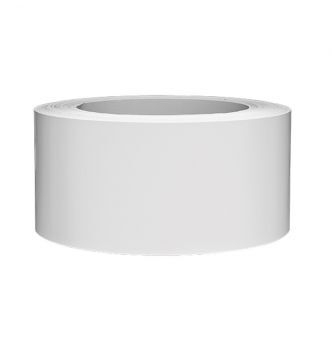
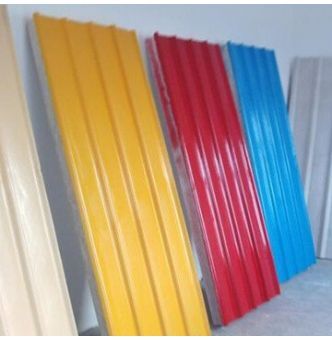
For more information about architectural coated aluminum substrates, see our PVDF coated aluminum coil and sheet and color coated aluminum coil and sheet product ranges.
3003 Aluminum: 3003 provides good formability, corrosion resistance and moderate strength. It is suitable for many formed architectural components where curved profiles and consistent fabrication are required.
3004 Aluminum: 3004 offers higher strength than 3003 while retaining useful forming characteristics. It can be evaluated for antique tile profiles that require additional rigidity after forming.
5052 Aluminum: 5052 provides higher strength and good corrosion resistance and can be considered for more demanding formed roofing components depending on the tile geometry and forming process.
Alloy selection should not be based on material grade alone. Required tile shape, bend radius, forming depth, finished stiffness, coating condition and installation method all influence the final specification.
| Product | Aluminum Antique Tile / Chinese-Style Aluminum Roof Tile |
| Base Material | Aluminum Alloy |
| Common Alloys | 3003, 3004, 5052 |
| Temper | O / suitable forming temper according to profile |
| Regular Thickness | 1.0 mm, 1.2 mm |
| Other Thickness | Available subject to tile profile, drawing and production confirmation |
| Exterior Coating | PVDF coating or specified architectural finish |
| PVDF Coating Thickness | ≥25 μm as regular reference specification |
| Tile Types | Barrel / cover tile, pan / base tile, eave tile, drip tile and custom profiles |
| Color | Yellow, green, red, grey, black, bronze and custom colors |
| Dimensions | Customized according to drawing, sample or roofing system |
| Surface | Smooth coated, decorative finish or project-specific appearance |
| Monthly Capacity | Up to 500 tons according to current production schedule and specification |
| Customization | Profile, dimensions, color and matching architectural components |
The dimensions of Chinese-style roof tiles vary significantly between architectural systems. For this reason, the final quotation should be based on the actual tile drawing, roof design or an approved physical sample rather than only a generic product name.
Traditional Yellow: Suitable for projects designed around the appearance of traditional imperial-style or ceremonial Chinese architecture.
Traditional Green: Commonly considered for pavilions, gardens, temples, landscape architecture and other Chinese-style buildings.
Grey: Provides a restrained traditional appearance and can be used where the project is intended to resemble conventional grey Chinese roofing.
Red, Black and Bronze: These finishes can be used for modern interpretations of Chinese architecture, commercial projects and customized landscape buildings.
Historical architecture involves specific cultural and project requirements, so Worthwill does not recommend selecting a roof color solely from generic descriptions. For restoration or culturally sensitive projects, the architect's approved color reference should be used as the production standard.
Temples and Religious Architecture: Aluminum temple roof tiles can reproduce curved traditional roofing profiles while reducing the weight associated with some conventional tile systems.
Pavilions and Garden Buildings: Chinese-style pavilions, landscape structures, gateways and garden buildings frequently use curved roofs where decorative tile geometry forms an important part of the architectural design.
Chinese-Style Villas and Courtyards: Antique metal roof tiles can be used for residential projects that combine a traditional roof appearance with modern structural and construction methods.
Cultural and Tourism Projects: Scenic areas, traditional streets, museums, cultural centers, hotels, resorts and tourism developments can use aluminum Chinese roof tiles to create a recognizable traditional architectural character.
Heritage Renovation: Aluminum components may be considered where a renovation project requires a lightweight replacement or reproduction roof system. For protected historical buildings, however, the selected material and installation method must follow the requirements of the responsible architect, conservation authority and local regulations.
Commercial Chinese-Style Architecture: Restaurants, hotels, entrance gates, commercial streets and themed developments can use antique aluminum tiles where traditional visual character is required without using a complete conventional clay-tile system.
Aluminum antique tile is strongly project-dependent. Two buildings described as “Chinese-style” may use completely different tile curvature, exposed width, eave geometry, ridge details and decorative components.
For an existing roof or renovation project, customers can provide a physical tile sample, dimensioned drawing, CAD drawing or detailed photographs with measurements. Worthwill can evaluate the profile and discuss whether the required component can be reproduced in aluminum.
For new construction, architectural drawings should define the roof geometry and visible profile before mass production. A prototype or pre-production sample can then be checked for dimensions, overlap, appearance and color before the final quantity is manufactured.
The waterproof performance of a tiled roof does not depend on the aluminum material alone. Tile overlap, roof pitch, drainage path, underlayment, flashing, ridge construction, fasteners, penetrations and installation workmanship all contribute to the performance of the finished roofing system.
For this reason, Worthwill recommends confirming the complete roof detail rather than selecting an aluminum tile only from a product photograph. The effective coverage width, overlap direction and fastening points should be coordinated with the building designer or roofing contractor before installation.
Raw Material: Verify aluminum alloy, temper and base thickness against the confirmed production specification.
Tile Profile: Check formed curvature, length, width, overlap area and other critical dimensions against the approved drawing or sample.
Surface Appearance: Inspect the visible face for unacceptable scratches, dents, coating defects or contamination.
Color Consistency: Compare finished components within the production batch and against the approved color reference where required.
Coating: Confirm the specified coating system and coating thickness according to the purchase requirement.
Fit and Matching Components: Where several tile types form one roofing system, matching profiles should be checked together to reduce installation problems caused by incompatible dimensions.
Packing: Formed aluminum tiles should be separated and supported during export packing to reduce scratching, edge damage and deformation during transportation.
1. Tile Type: Barrel tile, pan tile, eave tile, drip tile, ridge component or complete roofing system.
2. Drawing or Sample: Provide profile dimensions, drawings or an existing tile sample whenever possible.
3. Aluminum Thickness: Confirm the required base thickness, such as 1.0 mm or 1.2 mm.
4. Alloy: State the required aluminum grade if it has already been specified by the project designer. Otherwise, describe the application and forming requirements for evaluation.
5. Color and Coating: Specify the required color, gloss and coating system. A physical color sample is preferred when exact appearance matching is important.
6. Roof Area and Quantity: Provide the approximate roofing area in square meters together with the required quantity of each tile or accessory type.
7. Project Location: The installation environment can influence coating, corrosion and roofing-system requirements.
8. Packing Requirements: Tell us whether the order requires standard export packing or a project-specific packing arrangement.
Worthwill works with aluminum manufacturing and coating resources for architectural aluminum products, allowing the antique tile project to be considered from the base aluminum, coating, color and forming stages rather than treating the tile only as a decorative finished item.
For B2B and project orders, we can discuss aluminum alloy, thickness, PVDF coating, tile profile, color, matching components and packing according to the actual purchasing specification. Customized production can be evaluated from drawings or samples when standard tile dimensions do not match the required roof design.
If you are sourcing aluminum antique tiles for a temple, pavilion, Chinese-style villa, cultural building or renovation project, send us the tile drawing or sample, required thickness, color, quantity and project information. Our team can review the specification before quotation.
An aluminum antique tile is a formed aluminum roofing component designed to reproduce the profile and appearance of traditional Chinese roof tiles. Unlike conventional clay or glazed ceramic tiles, it uses an aluminum alloy substrate that can be coated and formed into different architectural profiles.
Worthwill commonly supplies 3003, 3004 and 5052 aluminum for antique tile applications. The final alloy and temper should be selected according to forming depth, required strength, tile geometry and project specification.
Regular base aluminum thicknesses include 1.0 mm and 1.2 mm. Other thicknesses can be evaluated according to the roof tile profile, dimensions, forming requirements and order quantity.
Yes. Tile curvature, dimensions, exposed width, eave profiles and other components can be evaluated according to drawings, measurements or physical samples. A sample or detailed profile drawing is particularly useful for restoration and replacement projects.
Yes. Yellow, green, red, grey, black, bronze and other coated finishes can be discussed. For projects requiring an exact traditional shade, a physical color sample or approved project reference is recommended.
Yes. PVDF-coated aluminum antique tiles are available for exterior architectural applications. A coating thickness of at least 25 μm can be supplied as a regular reference specification, with the final coating requirement confirmed before production.
The aluminum material itself is not the only factor determining roof waterproofing. Effective waterproof performance depends on tile overlap, roof pitch, flashing, underlayment, drainage design, fasteners and installation workmanship. The complete roofing system should therefore be properly designed and installed.
They can be considered for some renovation and reproduction projects where a lightweight traditional-style roofing material is required. For officially protected historic buildings, material selection must follow the project architect, conservation authority and applicable local requirements.
Please provide the tile type, drawing or sample, aluminum thickness, required color and coating, quantity or roof area, project location and any matching accessory requirements. The more complete the project information, the more accurately the tile profile and quotation can be evaluated.
| Product | Aluminum Antique Tile |
| Material | Aluminum Alloy |
| Alloy | 3003 / 3004 / 5052 |
| Temper | O / Forming temper as required |
| Thickness | 1.0 mm / 1.2 mm / Customized |
| Coating | PVDF / Customized architectural coating |
| PVDF Coating Thickness | ≥25 μm or as specified |
| Tile Type | Barrel Tile / Pan Tile / Eave Tile / Drip Tile / Custom Profile |
| Color | Yellow / Green / Red / Grey / Black / Bronze / Custom |
| Dimensions | Customized according to drawing or sample |
| Surface | Smooth Coated / Decorative Finish / Customized |
| Application | Temple / Pavilion / Chinese-Style Villa / Cultural Building / Landscape Architecture / Renovation Project |
| Customization | Profile / Size / Color / Matching Roofing Components |
Send us your product, alloy, size, quantity and application requirements for a detailed quotation.