Related Products



Position: Home > Products > Aluminum Foil
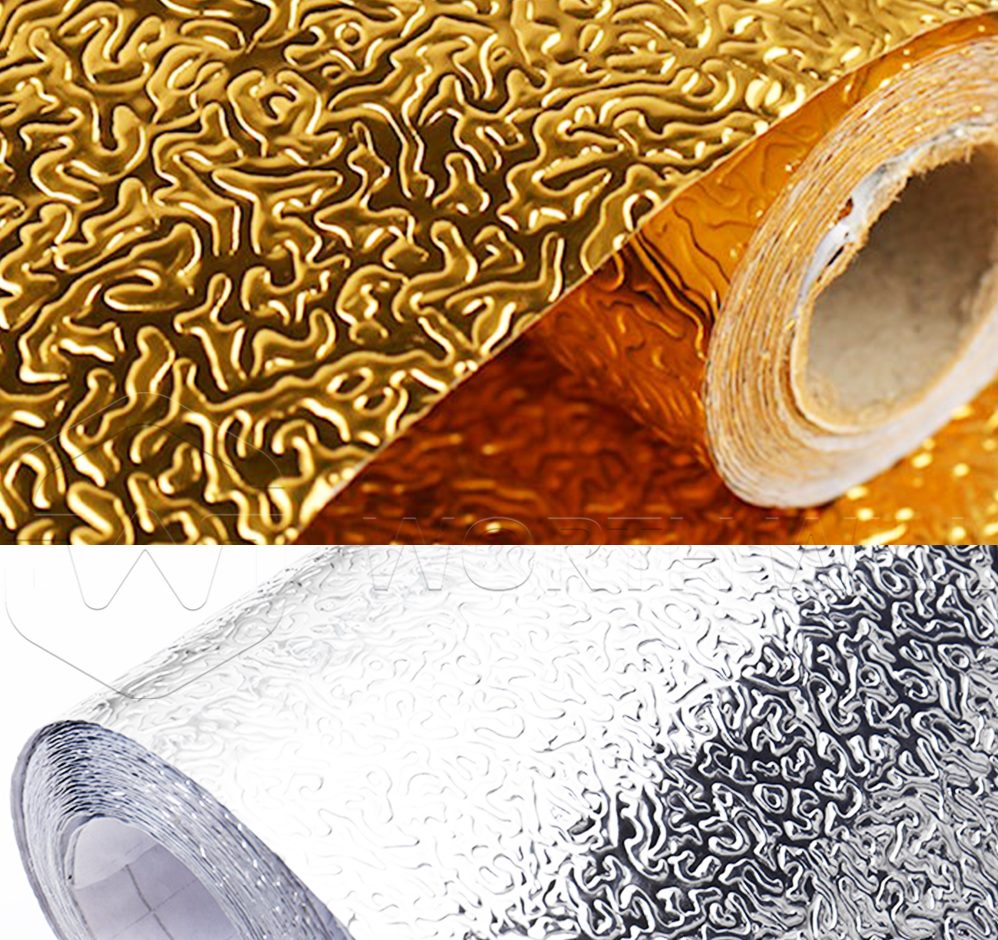


Embossed aluminum foil is light-gauge aluminum foil processed through patterned embossing rolls to create a controlled raised and recessed surface. Common finishes include stucco or orange peel, diamond, dot, line and other project-specific textures.
Worthwill supplies embossed foil for insulation facings, HVAC and pre-insulated duct materials, laminated panels, industrial converting and selected packaging applications. Common alloy options include 1050, 1060, 1100, 3003 and 8011, with alloy and temper selected according to forming, strength and downstream processing requirements.
A typical project range is approximately 0.04–0.30 mm in base metal thickness, with custom widths, slitting and coil dimensions available according to the embossing pattern and order. Thinner foil can also be evaluated for lamination projects where the embossing process and required pattern depth permit.
For quotation, please provide the alloy or required performance, temper, base foil thickness, width, embossing pattern, surface treatment, coil dimensions, quantity and final application. A reference sample or pattern drawing is recommended for custom embossing.
Embossed aluminum foil combines the barrier and lightweight properties of aluminum foil with a controlled textured surface formed by embossing rollers. The texture can improve appearance, handling and apparent rigidity and can provide a more suitable surface profile for certain lamination and insulation applications.
Henan Worthwill Industry Co., Ltd. supplies embossed aluminium foil in common 1xxx, 3xxx and 8xxx series alloys for insulation facings, pre-insulated duct materials, HVAC components, laminated panels and industrial converting. Pattern, alloy, temper, foil gauge, width and surface treatment can be matched to the downstream process rather than forcing every application into one standard specification.
Embossed aluminum foil is produced by passing flat aluminum foil through patterned rollers that form a repeating raised and recessed texture on the surface. Depending on the roller design, the finished material may have a stucco, orange peel, diamond, dot, line, ripple or customized pattern.
Embossing changes the surface profile without changing the basic chemical composition of the aluminum alloy. This distinction is important when specifying the material: buyers should define both the original base foil gauge and the required embossed appearance or profile rather than treating overall textured height as the metal thickness.
Stucco / Orange Peel Pattern: One of the most common finishes for insulation and industrial applications. It creates a fine irregular texture that reduces the visual impact of small handling marks and gives the foil a recognizable technical-insulation appearance.
Diamond / Rhombus Pattern: Provides a more regular geometric appearance and is often selected where the visible pattern is part of the finished product or laminate design.
Dot / Hemispherical Pattern: Uses repeated raised or recessed points and can be selected for specialized laminates, heat-transfer components and decorative industrial surfaces.
Line / Ripple Pattern: Creates a directional texture suitable for applications where pattern orientation or visual consistency is important.
Custom Pattern or Logo Embossing: Project-specific embossing can be evaluated according to pattern dimensions, roller tooling, order quantity and production feasibility. A drawing or physical sample should be supplied before tooling is confirmed.

1050 / 1060 Aluminum Foil: Commercially pure aluminum grades with good formability and corrosion resistance. They are practical choices when easy processing and a clean aluminum surface are more important than higher mechanical strength.
1100 Aluminum Foil: Another commercially pure grade frequently used for industrial foil and insulation-related applications where formability and corrosion resistance are required.
3003 Aluminum Foil: Contains manganese and provides higher strength than the common commercially pure 1xxx grades. It can be considered where the embossed foil needs more handling strength or dimensional stability.
8011 Aluminum Foil: Widely used for aluminum foil converting because it offers a practical balance of strength, forming performance and processability. It is commonly considered for insulation, packaging and laminated foil structures.
Temper Selection: O temper offers maximum softness and formability, while H14, H18, H22 and H24 conditions provide different levels of stiffness and strength. The correct temper depends on embossing depth, winding, lamination, forming and the final product.
For embossed foil, the buyer and supplier should agree whether a thickness value refers to the base metal gauge before embossing or the overall textured profile after embossing.
For most technical purchasing specifications, base metal thickness is the more useful reference because it relates directly to aluminum weight and mechanical properties. Pattern height, embossing depth or finished profile can then be controlled separately when they are critical to lamination or appearance.
This prevents a common quotation problem in which two materials appear to have the same “embossed thickness” but actually use different amounts of aluminum.

Thermal Insulation Facing: Embossed foil can be used as a facing or laminated surface layer for insulation boards, rolls and composite insulation materials.
HVAC and Pre-Insulated Duct Materials: Stucco embossed and coated embossed foil can be laminated to phenolic, polyurethane or other approved duct-panel systems according to the required construction.
Industrial Laminated Panels: The textured foil can be combined with foam, paper, polymer film or other substrates where the selected adhesive and surface treatment are compatible.
Refrigeration and Cold-Storage Components: Embossed aluminum surfaces are used in selected refrigerator, freezer and cold-room components where lightweight corrosion-resistant aluminum and a textured finish are required.
Protective and Decorative Industrial Surfaces: Regular embossed patterns can provide a technical or decorative surface while helping make minor handling marks less visually obvious.
Packaging and Converting: Selected embossed foil grades can be converted into decorative or functional laminate structures. Food, pharmaceutical or other regulated packaging applications should use the appropriate alloy, coating, cleanliness and compliance specification for the final application.

Textured Appearance: Embossing produces a recognizable technical or decorative surface rather than the smooth appearance of plain foil.
Improved Apparent Rigidity: The three-dimensional pattern can make light-gauge foil feel more rigid during handling, although the actual mechanical performance still depends on alloy, temper and base metal thickness.
Lamination Compatibility: A controlled surface texture can be useful in certain bonded or laminated structures. Adhesive chemistry and process parameters should still be tested with the actual substrate.
Reduced Visibility of Minor Handling Marks: Stucco and similar patterns can make small surface marks less noticeable than on smooth bright foil.
Embossing should not be treated as a replacement for a coating or laminate when corrosion resistance, chemical resistance, heat sealing or other special surface functions are required.
Bare Embossed Foil: Suitable where the natural aluminum surface is acceptable and no additional coating is required.
Coated or Lacquered Embossed Foil: Protective or functional coatings can be considered for insulation, bonding or decorative applications according to the required coating chemistry.
Laminated Embossed Foil: Foil can be specified as part of a laminate structure together with compatible films, paper, insulation boards or other substrates.
Slit Rolls and Custom Widths: Master coils can be slit according to downstream equipment width and production requirements, subject to gauge, pattern and minimum practical slit width.
Base Foil Gauge and Width: Thickness and width should be checked against the confirmed order specification before downstream embossing and conversion.
Pattern Consistency: Embossing repeat, appearance and pattern definition should remain consistent across the usable coil width and production batch.
Surface Cleanliness: Oil, excessive residue, stains and contamination should be controlled, especially when the foil will later be coated, bonded, printed or laminated.
Edge and Slitting Quality: Coil edges should be checked for burrs, cracks and irregular slitting that could cause problems in continuous converting equipment.
Coil Winding: Winding tension, telescoping and edge alignment should be controlled to reduce handling problems during high-speed unwinding.
Application-Specific Inspection: When barrier performance, lamination adhesion or coating performance is critical, the related pinhole, adhesion or surface tests should be agreed before production rather than assumed from the word “embossed.”
Embossed aluminum foil and stucco embossed aluminum sheet use similar surface-texturing concepts but target different gauge ranges and manufacturing applications.
Embossed foil is generally lighter and more flexible and is mainly selected for insulation facings, duct-board laminates, flexible or semi-flexible composite structures and industrial converting.
Stucco embossed aluminum sheet or thicker embossed coil is more suitable when the aluminum itself must provide greater stiffness, impact resistance or standalone cladding performance.
Keeping these two product categories separate helps buyers select the correct material and prevents a thin insulation-facing foil from being specified where thicker aluminum jacketing or sheet is actually required.
Alloy: Specify the required grade, such as 1050, 1060, 1100, 3003 or 8011, or provide the required performance if the alloy has not been selected.
Temper: Specify O, H14, H18, H22, H24 or the required mechanical condition.
Base Foil Thickness: State the metal gauge separately from the embossed profile whenever possible.
Width: Provide finished roll width and tolerance.
Embossing Pattern: Specify stucco/orange peel, diamond, dot, line or a custom pattern.
Pattern Requirement: For critical applications, provide pattern dimensions, orientation, embossing depth or an approved physical sample.
Surface Treatment: State whether the foil is bare, degreased, coated, lacquered or intended for lamination.
Coil Requirement: Provide core ID, maximum OD, coil weight or roll length if these dimensions must match converting equipment.
Quantity and Application: Order quantity and final use help determine the suitable production and packing route.
Stucco embossed aluminum foil is one type of embossed aluminum foil. “Embossed aluminum foil” is the broader product category, while stucco or orange peel describes a specific surface pattern.
Common choices include 1050, 1060, 1100, 3003 and 8011. The correct alloy depends on required strength, softness, formability, coating or lamination process and final use.
Yes. Custom pattern development can be evaluated. For a non-standard pattern or logo, please provide a drawing or reference sample. Tooling feasibility, pattern repeat and minimum order quantity should be confirmed before production.
Not automatically. The principal barrier performance comes from the aluminum foil itself and from the complete coating or laminate structure. Base foil thickness, pinholes, coating quality and laminate construction are more important than embossing alone when a specific barrier requirement must be met.
Yes. Coating, lacquering or lamination can be specified for suitable applications. The coating or adhesive system should be selected according to the substrate, operating temperature, environmental exposure and final performance requirement.
Please provide alloy or performance requirement, temper, base foil thickness, finished width, embossing pattern, surface treatment, coil dimensions, quantity and final application. A drawing or physical sample is useful for customized patterns.
Henan Worthwill Industry Co., Ltd. supplies aluminum sheet, coil and foil products to overseas industrial buyers and works with established aluminum production resources in Henan, China. Our role is not only to quote a metal grade but to help match alloy, temper, thickness, surface and processing route to the buyer's downstream use.
For embossed foil projects, this means confirming the base metal gauge, pattern, surface condition, coil configuration and application before bulk production. This is particularly important when the foil will later be laminated, coated or run through continuous converting equipment.
Export packing, coil protection and shipping requirements can also be discussed according to destination and handling conditions.
Send your required alloy, temper, base foil thickness, width, embossing pattern, surface treatment, coil dimensions, order quantity and final application. Worthwill will review the specification and provide a practical production and quotation proposal.
| Item | Typical Specification |
|---|---|
| Product | Embossed Aluminum Foil |
| Alloy | 1050, 1060, 1100, 3003, 8011; others by project |
| Temper | O, H14, H18, H22, H24 |
| Base Foil Thickness | Typically 0.04–0.30 mm |
| Width | Typically 200–1500 mm; custom slitting available |
| Pattern | Stucco/orange peel, diamond, dot, line, ripple, custom |
| Surface | Bare, degreased, coated/lacquered or for lamination |
| Product Form | Coil / roll |
| Core / Coil Size | According to converting and handling requirements |
| Processing | Embossing, slitting, coating or lamination by project |
| Main Applications | Insulation, HVAC, duct panels, laminates, industrial converting |
| Packing | Export packing according to coil size and transport requirement |
Send us your product, alloy, size, quantity and application requirements for a detailed quotation.