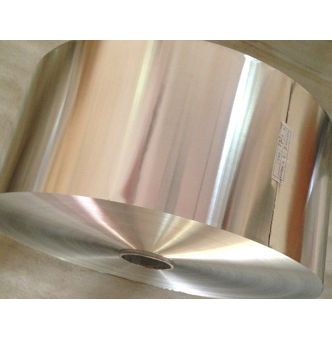
Related Products



Position: Home > Products > Aluminum Foil
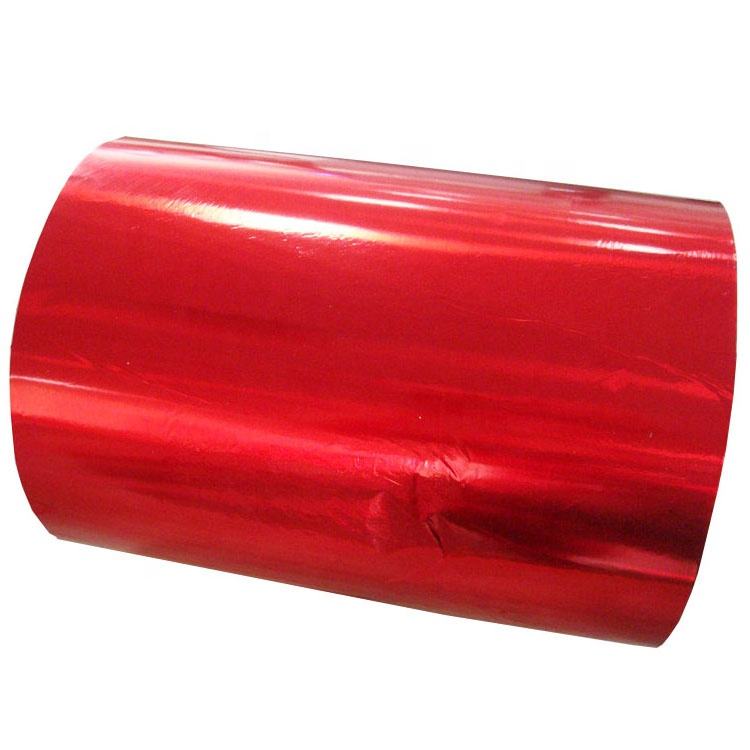
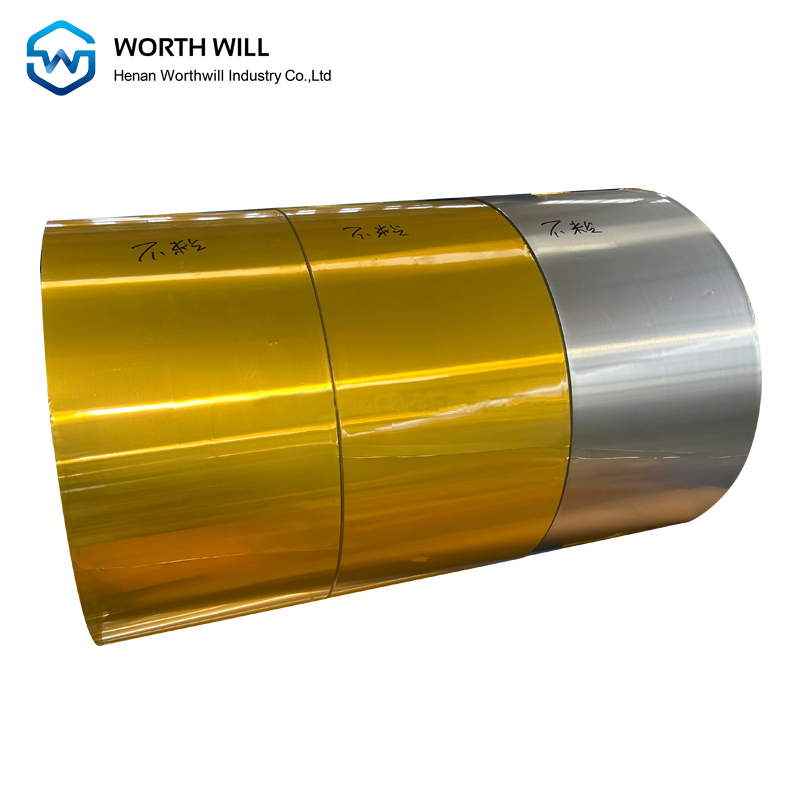
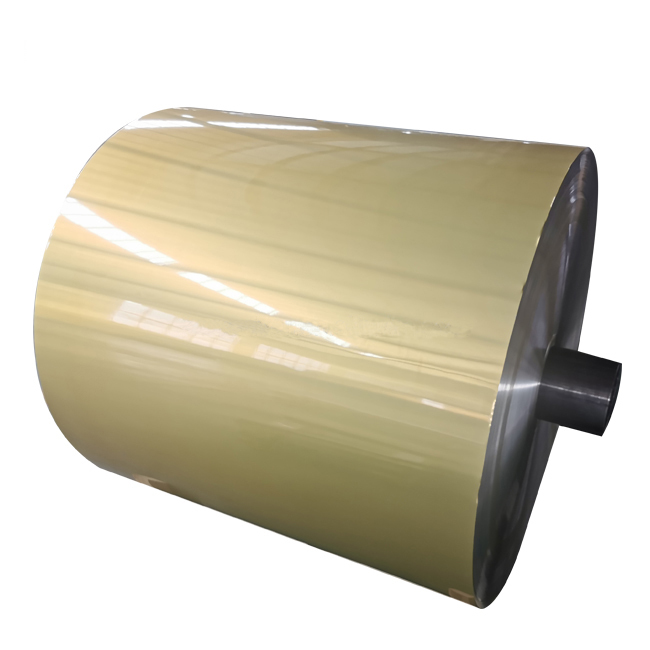
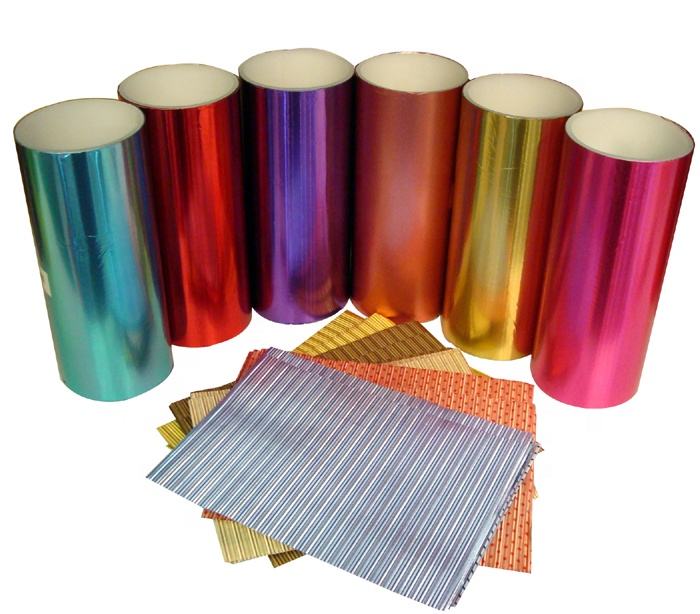
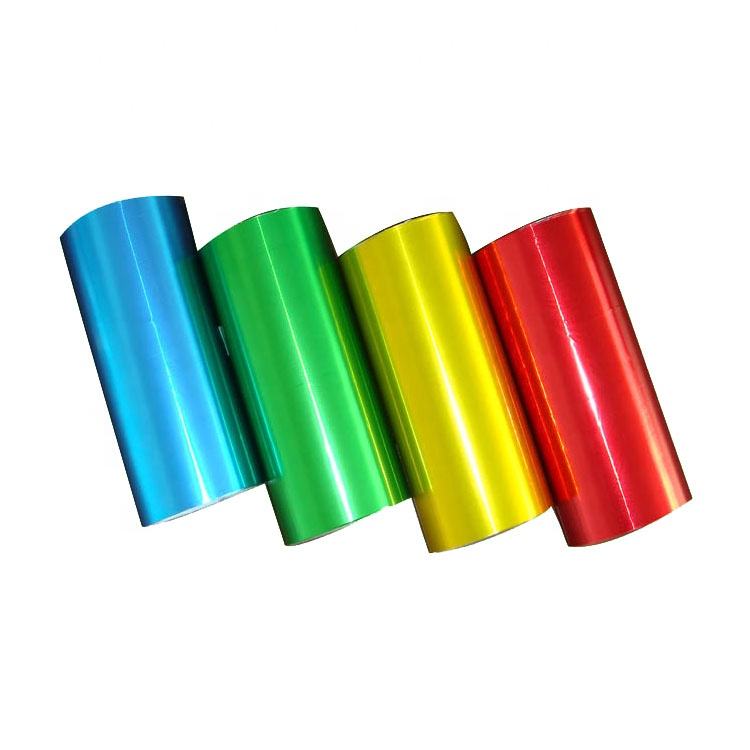
Alloy: 8011, 3003, 8079, 1235, 1060 and other alloys on request
Temper: O, H18, H22, H24 and customized tempers
Thickness: 0.006-0.20 mm
Width: Customized according to application
Coating: Polyester, epoxy, heat-seal lacquer, PVDF and specialty coatings
Color: Gold, silver, white, black, red, blue and custom colors
Surface: Glossy, matte, embossed or customized
Application: Food containers, lidding, closures, packaging, decoration and industrial uses
Color coated aluminum foil, also known as coated aluminum foil, lacquered aluminum foil or prepainted aluminum foil, is produced by applying a controlled coating or lacquer system to the surface of aluminum foil. Depending on the application, the coating can provide color, corrosion protection, improved printability, forming performance, surface protection or heat-sealing functionality.
Worthwill supplies coated aluminum foil in rolls for food containers, lidding and sealing materials, bottle and packaging closures, decorative laminates and selected industrial applications. Common aluminum alloys include 8011, 3003, 8079, 1235 and 1060, with alloy, temper, foil thickness, width and coating system selected according to the customer's converting process and end use.
Unlike a standard stock product, coated foil normally needs to be specified as a complete combination of aluminum substrate + temper + thickness + surface treatment + coating or lacquer + final application. Providing this information at the RFQ stage helps us recommend a more suitable material.
Color coated aluminum foil starts with a thin aluminum substrate that is cleaned and surface-treated before a paint, resin or lacquer layer is applied and cured.
The aluminum substrate itself provides an effective barrier against light and helps form the physical structure of the packaging or industrial component. The surface coating then provides additional functions such as corrosion protection, decorative color, improved adhesion, printability, heat-seal compatibility or resistance to the intended processing environment.
Depending on the coating system, the material may also be described commercially as colored aluminum foil, lacquered foil, painted aluminum foil or prepainted aluminum foil.
Color coated foil should not be confused with color coated aluminum sheet and coil. Foil is normally supplied in much thinner gauges and requires tighter control of tension, coating uniformity and converting performance during coating, rewinding and downstream forming.

Worthwill can supply coated aluminum foil according to the required alloy, temper, gauge, coating system and converting process.
Common alloys: 8011, 3003, 8079, 1235, 1060 and other alloys on request.
Typical tempers: O, H18, H22, H24 and application-specific tempers.
Thickness: approximately 0.006-0.20 mm depending on application.
Width: customized according to equipment and finished product.
Coil ID: commonly 76 mm or 152 mm, subject to order requirements.
Colors: gold, silver, white, black, red, blue and custom colors.
Surface options: glossy, matte, embossed and other specified finishes.
Coating options: polyester, epoxy, heat-seal lacquer, PVDF and specialty functional coatings.
Special widths, coating weights, surface treatments, slitting and other converting requirements can be discussed according to drawings, samples or technical specifications.
Polyester coating, sometimes abbreviated as PE coating in the prepainted-metal industry, is commonly selected where decorative color, coating adhesion, forming performance and cost efficiency are important.
It can be used for colored foil, container materials, decorative applications and other products that require a consistent coated surface.
Polyester paint coating should not be confused with polyethylene-coated or PE-laminated aluminum foil. Polyethylene film lamination is a different material structure and should be specified separately when required.
Epoxy lacquer provides good adhesion to aluminum and is commonly used where corrosion resistance, surface protection and forming performance are required.
Depending on the lacquer formulation and applicable compliance requirements, epoxy lacquered aluminum foil can be specified for food containers, closures, lids and other packaging applications.
For food-contact or other regulated applications, the required market, contact condition and supporting documentation should be confirmed before production.
Heat-seal lacquered aluminum foil is designed for applications where the aluminum foil must seal to another material.
The correct lacquer should be selected according to the sealing substrate, which may include PE, PP, PET, PVC, PS or another packaging material. Required seal temperature, dwell time, pressure and peel strength can also affect the recommended lacquer system.
Yogurt and dairy lids: heat-seal lacquer is selected according to the cup or container material and required opening performance.
Food container lids: coating structure should match the container material, filling process and sealing conditions.
Portion-pack lidding: suitable foil gauge and lacquer system can be selected for individual food, beverage or household packaging.
Healthcare packaging: special coating and compliance requirements should be confirmed according to the intended product and destination market.
Because sealing requirements differ between customers, heat-seal performance should be confirmed against the buyer's actual substrate and sealing process rather than specified only by foil thickness.
PVDF coating can be selected for specialized coated foil applications where weatherability, UV resistance and long-term color stability are more important than conventional packaging requirements.
It is generally more relevant to selected industrial, insulation or decorative applications than to standard food-container foil. The suitability of PVDF should therefore be evaluated according to the actual service environment.
Other functional coating systems can be supplied or discussed for specific applications, including hydrophilic surfaces for heat-exchanger fin stock and coating systems designed for lamination, printing or additional surface protection.
These products should be specified according to their actual function rather than treated as interchangeable types of color coated aluminum foil.
8011 and 3003 aluminum alloys are widely used for aluminum container and tray applications because different tempers can be selected to balance forming behavior and finished-container rigidity.
A colored or lacquered surface can provide additional visual appearance and surface protection for trays, takeaway containers, airline food containers, bakery containers and other formed foil products.
For container manufacturing, buyers should normally confirm the following information before production.
Alloy and temper: selected according to the forming process and required finished-container rigidity.
Foil thickness: selected according to container size, forming depth and strength requirements.
Width: matched to the customer's production equipment and tooling.
Coating side: one-side or two-side coating according to the finished product.
Color: gold, silver, white, black or other custom colors.
Coating type: selected according to forming, surface and compliance requirements.
Lubrication: confirmed according to the customer's forming process.
Food-contact requirements: confirmed according to the destination market and intended use.
Gold coated aluminum foil is especially common for decorative food-container applications, while other colors can be developed according to the customer's product or branding requirements.

Lidding foil requires more than a decorative coating. The foil, primer, printing surface and heat-seal lacquer must work together with the final container material and sealing process.
For this reason, an RFQ for aluminum lidding foil should identify the material that the lid will seal to, such as PP, PS, PET, PE or PVC, as well as the required foil thickness and printing process.
Depending on the specification, Worthwill can supply lacquered aluminum foil for dairy lids, food packaging, portion packs and other sealing applications.
Custom printing is normally handled according to the customer's artwork and converting arrangement, while the aluminum substrate and coating structure can be prepared to meet the required printing and sealing process.
Lacquered and colored aluminum foil is also used in bottle caps, bottle-neck decoration, closures and related packaging components.
Coating adhesion: the coating should remain stable during forming and subsequent processing.
Formability: alloy and temper should suit the required closure shape and forming method.
Color consistency: important for branded packaging and repeat orders.
Scratch resistance: selected according to handling and downstream processing requirements.
Printing compatibility: surface treatment should match the intended printing process.
Embossed surfaces can also be specified when the finished closure requires additional decorative texture or branding.
Choosing coated aluminum foil by color alone is usually not enough. For a more accurate specification, start with the finished application.
For formed food containers: confirm the alloy, temper, thickness, forming depth, coating side and lubrication requirements.
For lidding foil: confirm the sealing substrate, heat-seal conditions, foil thickness, printing process and required peel strength.
For closures and caps: confirm the forming method, surface appearance, lacquer adhesion and processing conditions.
For decorative or industrial foil: confirm the required color, gloss, weather resistance, lamination structure and service environment.
If an existing coated foil is already in production, a physical sample or technical data sheet is often the fastest reference for matching the specification.
Worthwill can supply conventional colors such as gold, silver, white, black, red and blue, as well as custom colors according to approved samples or agreed color references.
Glossy finish: provides a bright and reflective decorative appearance.
Matte finish: provides a lower-gloss appearance for selected packaging and decorative applications.
Embossed finish: adds surface texture for decorative or functional requirements.
Single-side coating: suitable where only one exposed surface requires color or protection.
Double-side coating: available where both sides require a coated surface.
Different coatings on each side: a decorative or printable coating can be used on one side and a functional lacquer on the reverse side.
When precise color matching is required, sending a physical reference sample is recommended because substrate appearance, gloss and coating thickness can affect the final visual result.
Coating thin aluminum foil requires stable web tension and consistent coating application. Excessive tension can create wrinkles or deformation, while uneven coating can affect color, printing, forming or sealing performance.
Quality control for coated aluminum foil can include the following items.
Base foil: alloy, temper, thickness and width are checked against the agreed specification.
Surface quality: foil surfaces are checked for defects that may affect coating or downstream processing.
Coating uniformity: coating consistency is controlled across the usable width.
Coating adhesion: checked according to the specified coating system and application.
Color and gloss: compared with the approved sample or agreed reference.
Pinholes: inspected where relevant to foil thickness and final application.
Winding and edges: coil winding condition and slit edges are checked before packing.
Functional performance: forming or heat-seal performance can be checked where required by the agreed specification.
Inspection methods and acceptance criteria should be agreed according to the product and customer's technical requirements.
Certificates, test reports or third-party inspection documents can be discussed according to the destination market, application and order specification.
For a faster and more accurate quotation, please provide as much of the following information as possible.
Application: finished product or intended use.
Alloy and temper: provide them if already specified.
Thickness: required aluminum foil gauge.
Width: required finished coil width.
Coil ID: required inner diameter.
Color and finish: required color, gloss or embossed surface.
Coating or lacquer: provide the coating type if already known.
Coating side: one-side, two-side or different coatings on each side.
Heat-seal substrate: PP, PS, PET, PE, PVC or another material where applicable.
Compliance requirements: destination market and food-contact or other requirements where applicable.
Quantity: required order quantity.
Destination: country or destination port.
If the exact coating specification is not known, send us your existing sample, technical data sheet or finished-product requirements. We can review the information and recommend a suitable supply specification.
They overlap, but the terms are not always identical. Color coated aluminum foil normally emphasizes a decorative or protective colored coating, while lacquered aluminum foil often refers to a thin functional lacquer used for protection, printing, forming or heat sealing. A product can be both color coated and lacquered depending on its coating structure.
8011, 3003, 8079, 1235 and 1060 are among the alloys used for different coated-foil applications. The correct alloy and temper depend on the forming process, required strength, foil thickness and finished product.
Yes. Gold is a common decorative color for coated aluminum foil, especially for food containers and packaging. Silver, white, black, red, blue and custom colors can also be discussed.
Yes, when a suitable heat-seal lacquer is applied. The lacquer needs to be matched to the material being sealed, such as PP, PS, PET, PE or PVC, and to the customer's sealing conditions.
Food-contact applications can be supplied according to the agreed coating system and order requirements. Customers should provide the destination market and intended contact conditions so that applicable documentation and coating requirements can be confirmed before production.
Yes. Depending on the application, coated foil can use one-side coating, two-side coating or different functional coatings on each side, such as a decorative or printable surface on one side and a heat-seal lacquer on the other.
Tell us your application, alloy, temper, thickness, width, coating type, color and required quantity. If you already use a similar material, you can also send a sample, drawing or technical specification for reference.
For other aluminum foil grades and applications, please visit our Aluminum Foil product page.
| Item | Specification |
|---|---|
| Product Name | Color Coated Aluminum Foil |
| Common Alloys | 8011, 3003, 8079, 1235, 1060 and other alloys on request |
| Temper | O, H18, H22, H24 and application-specific tempers |
| Typical Thickness | Approx. 0.006–0.20 mm, depending on application |
| Width | Customized according to equipment, application and finished product |
| Coil Inner Diameter | Commonly 76 mm or 152 mm; other sizes subject to order requirements |
| Coating / Lacquer | Polyester, epoxy, heat-seal lacquer, PVDF and specialty functional coatings |
| Coating Sides | Single-side coating, double-side coating or different functional coatings on each side |
| Colors | Gold, silver, white, black, red, blue and custom colors |
| Surface Finish | Glossy, matte, embossed and other agreed finishes |
| Processing | Coating, lacquering, slitting, rewinding and selected surface processing |
| Typical Applications | Food containers, lidding, caps and closures, packaging, decorative products and selected industrial applications |
| Heat-Seal Options | Lacquer systems can be selected according to PE, PP, PET, PVC, PS or other specified sealing substrates |
| Custom Requirements | Alloy, temper, gauge, width, color, coating system and surface requirements can be discussed according to samples or technical specifications |
Send us your product, alloy, size, quantity and application requirements for a detailed quotation.