Download Products Catalogue
 Related Products



Position: Home > Products > Aluminum Foil
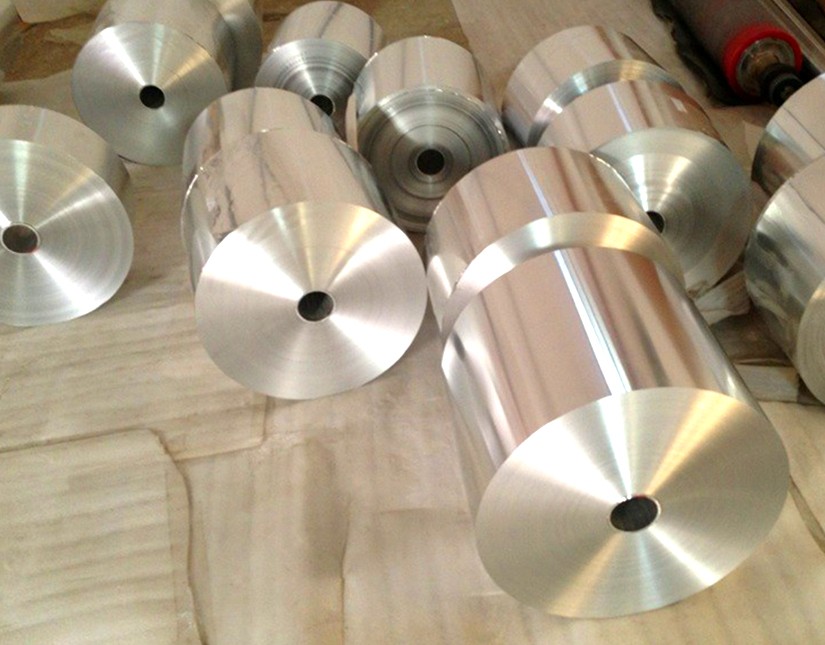
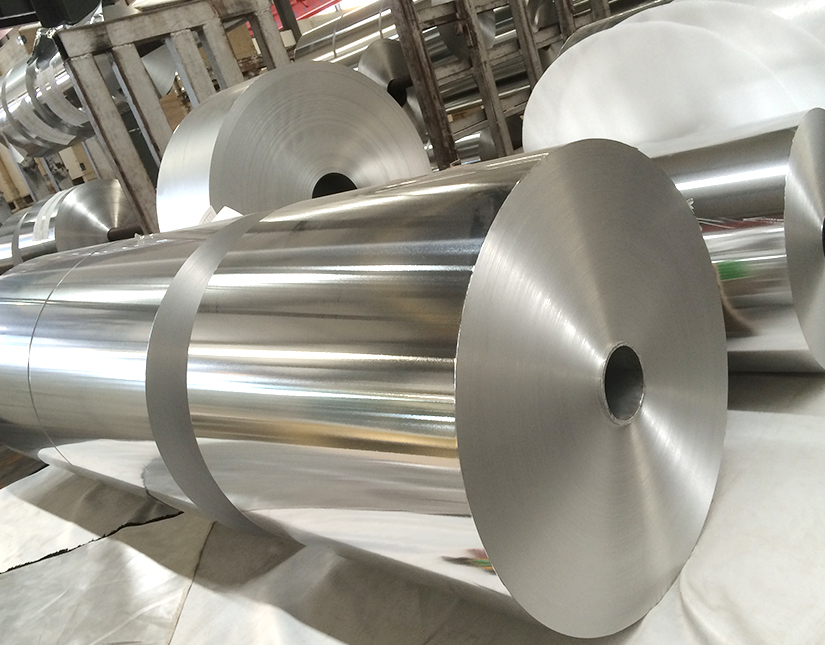
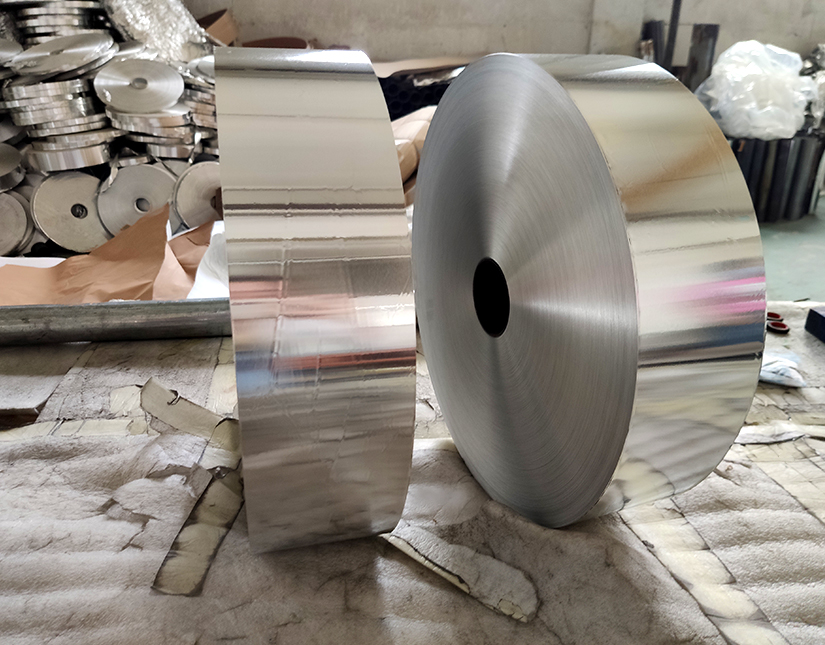
Worthwill supplies plain and mill finish aluminum foil jumbo rolls for packaging, lamination, HVAC, insulation-facing materials, cable applications and other industrial converting processes.
Common aluminum foil alloys include 1235, 8011, 8079, 3003, 8021, 1100 and 1145, with O and H tempers selected according to forming, lamination, coating and mechanical requirements.
Typical foil thickness ranges from 0.005 mm to 0.20 mm. Width, temper, coil inner diameter, slit size and coil weight can be customized according to the downstream production process.
Material certificates, COA/MTC and application-specific test or compliance documentation can be supplied where applicable. Please specify any required standard or end-use requirement before ordering.
Aluminum foil jumbo roll is supplied as raw material for further slitting, rewinding, lamination, coating, printing, embossing, forming and other converting processes.
For industrial buyers, the most important factors are not only alloy and thickness. Stable gauge, suitable temper, clean surface, edge condition, winding quality and compatibility with downstream equipment can directly affect production efficiency and finished-product quality.
Worthwill supplies aluminum foil in different alloys, tempers and dimensions for packaging converters, HVAC manufacturers, insulation material producers, cable manufacturers and other industrial users.
Plain aluminum foil also called mill finish aluminum foil or bare aluminum foil, is aluminum foil supplied without decorative color coating or other finished surface layers.
Depending on thickness and rolling process, the foil can have bright, matte or mixed surface appearance. Plain foil can be used directly or serve as a base material for coating, printing, laminating, embossing and forming.
For buyers who need colored or functional coated surfaces, Worthwill also supplies Color Coated Aluminum Foil as a separate product.
8011 aluminum foil is widely selected for household foil, food packaging, container applications, pharmaceutical packaging and HVAC-related converting. It provides a useful balance between strength, formability and processing performance.
1235 aluminum foil is commonly used where soft temper, thin gauge and good converting performance are required. Typical downstream uses include flexible packaging, lamination, cable wrapping and general industrial foil applications.
8079 aluminum foil is commonly selected for thin-gauge flexible packaging and pharmaceutical-related applications where good elongation and converting performance are important.
3003 aluminum foil offers higher strength than many commercially pure foil grades and is frequently used for food container stock and formed aluminum packaging.
These alloys are available for selected pharmaceutical, cable, packaging and industrial applications according to the required temper, forming performance and downstream process.
Choosing foil only by alloy number is usually not enough. Before quotation or production, the following information should be confirmed:
End application and downstream process: Specify the final use of the foil and any slitting, rewinding, lamination, coating, printing, embossing or forming process.
Alloy and temper: Confirm the required alloy and temper when already specified by your production process or technical drawing.
Foil thickness: Provide the required thickness and any specific thickness tolerance requirement.
Width and slitting: Specify the finished width and whether narrow-width slitting is required.
Coil inner diameter and coil weight: Confirm the required coil ID and preferred coil weight according to your production equipment.
Surface requirement: State any specific requirement for bright, matte, mill finish or other surface condition.
Further processing: Inform us if the foil will be used for lamination, printing, coating, embossing or forming.
Pinhole and surface cleanliness: Specify any pinhole, cleanliness or wettability requirement where applicable.
Documentation: State any required material certificate, test report or compliance documentation before ordering.
If the exact alloy is not specified, the application and converting process can be used to help determine a suitable material option.
Plain foil jumbo rolls can be rewound into household foil rolls or converted into different food packaging structures.
Suitable alloys and tempers can be supplied for stamping and forming food containers, trays and lids.
Thin-gauge aluminum foil can be laminated with paper, polymer film or other packaging layers to provide a functional barrier layer in flexible packaging structures.
Selected foil alloys and tempers can be supplied for pharmaceutical packaging conversion where the required surface, pinhole and documentation specifications are confirmed before production.
Aluminum foil can be used as base material for fin stock and subsequent hydrophilic or other functional surface treatment.
Plain foil can be laminated or converted into facing materials used in flexible ducts and insulation systems. For dedicated HVAC duct material, see our Air Duct Foil.
Selected soft aluminum foils can be slit or laminated for cable shielding, wrapping and other industrial applications.
Plain aluminum foil jumbo roll can also be used as a substrate for embossing, color coating, lacquer coating and other secondary surface processing.
Different converting processes require different foil conditions.
For lamination and coating, surface cleanliness and wettability may be important. For stamping and forming, temper and elongation become more important. For high-speed slitting or rewinding, coil winding, edge quality and dimensional consistency should be confirmed.
For this reason, the final specification should be matched to the actual production process rather than selected only from a general aluminum foil grade table.
Quality requirements can be agreed according to the application and order specification. Typical inspection items include:
Alloy and temper verification: Material alloy and temper are checked against the confirmed order specification.
Thickness and width: Foil gauge and finished width are checked according to the agreed dimensional requirements.
Surface condition: The foil surface is inspected for cleanliness and visible defects according to the intended application.
Coil winding and edge quality: Coil condition, winding and slit edges are checked to support stable downstream processing.
Mechanical properties: Mechanical properties can be tested where required by the alloy, temper or application specification.
Pinhole requirements: Pinhole requirements can be agreed for applicable thin-gauge aluminum foil products.
Surface cleanliness and wettability: Relevant surface requirements can be checked when the foil is intended for lamination, printing or coating.
Coil dimensions and inner diameter: Finished coil dimensions and ID are checked against the confirmed order specification.
Inspection requirements should be confirmed before production when the material will be used in a sensitive packaging or high-speed converting process.
Material certificates and inspection documents can be provided according to the order and product specification.
Where required, COA/MTC and application-specific compliance or test documentation can be discussed before production. Requirements involving ASTM, EN, JIS, FDA-related food-contact documentation, USP-related pharmaceutical requirements or other customer standards should be stated clearly during the inquiry stage.
Because different standards apply to different alloys, structures and finished applications, compliance should be confirmed against the exact material and end use rather than assumed for every aluminum foil product.
Aluminum foil coils require protection against moisture, edge damage, deformation and movement during transportation.
Packing configuration is selected according to coil dimensions, weight and shipment method. Export packing, coil protection and identification labels can be prepared according to agreed order requirements.
Worthwill supplies aluminum sheet, coil and foil products for international industrial buyers and can coordinate both plain aluminum foil and downstream aluminum foil products.
Buyers can specify alloy, temper, thickness, width, ID, coil weight and downstream application before production. This helps reduce the risk of purchasing a technically correct alloy that does not match the actual converting process.
For coated foil and HVAC duct applications, related aluminum foil products are also available within the same product range.
Common options include 1235, 8011, 8079, 3003, 8021, 1100 and 1145. The recommended alloy depends on the application, required temper and downstream converting process.
8011 is commonly selected where additional strength and forming performance are required, while 1235 is frequently used for thin, soft and flexible converting applications. The correct choice also depends on thickness, temper and final use.
Yes. Plain aluminum foil jumbo roll can be supplied as substrate material for lamination, coating, printing and other converting processes. Surface and wettability requirements should be specified before production.
Material certificates and relevant compliance or test documentation can be supplied where applicable. Please state the required standard and end application before ordering so that the correct material and documentation can be confirmed.
Please provide the application, alloy if known, temper, thickness, width, coil ID, required quantity and any special surface, tolerance, packing or compliance requirements.
| Product | Aluminum Foil Jumbo Roll |
| Surface | Plain / Mill Finish / Bare Aluminum Foil |
| Common Alloys | 1235, 8011, 8079, 3003, 8021, 1100, 1145 |
| Temper | O, H18, H22, H24 and other tempers according to alloy and application |
| Thickness | 0.005–0.20 mm; custom specification subject to application and production confirmation |
| Width | Typically 80–1250 mm; narrower slit widths can be supplied according to application |
| Coil ID | 76 mm / 152 mm or customized where available |
| Surface Appearance | Bright, matte or corresponding mill-finish appearance depending on gauge and rolling process |
| Processing | Slitting, rewinding and customized coil dimensions |
| Typical Applications | Food packaging, household foil, container stock, flexible packaging, pharmaceutical conversion, HVAC, insulation facing, cable wrapping, lamination, embossing and coating |
| Documentation | COA/MTC and applicable test or compliance documentation available according to order requirements |
| Customization | Alloy, temper, thickness, width, ID, coil weight, packing and inspection requirements |

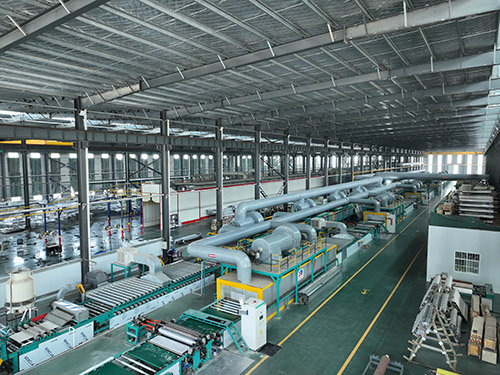
Send us your product, alloy, size, quantity and application requirements for a detailed quotation.