Related Products



Position: Home > Products > Coated Aluminum

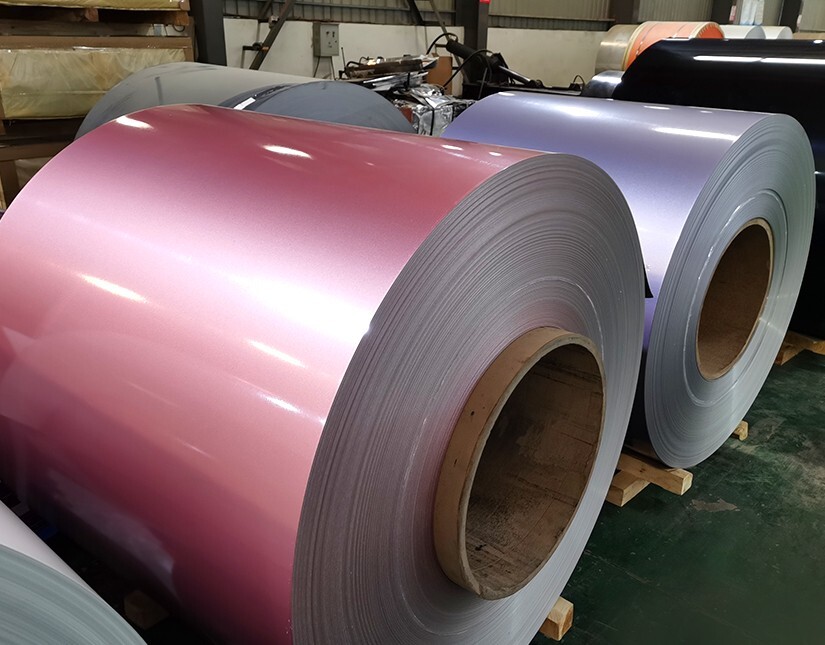
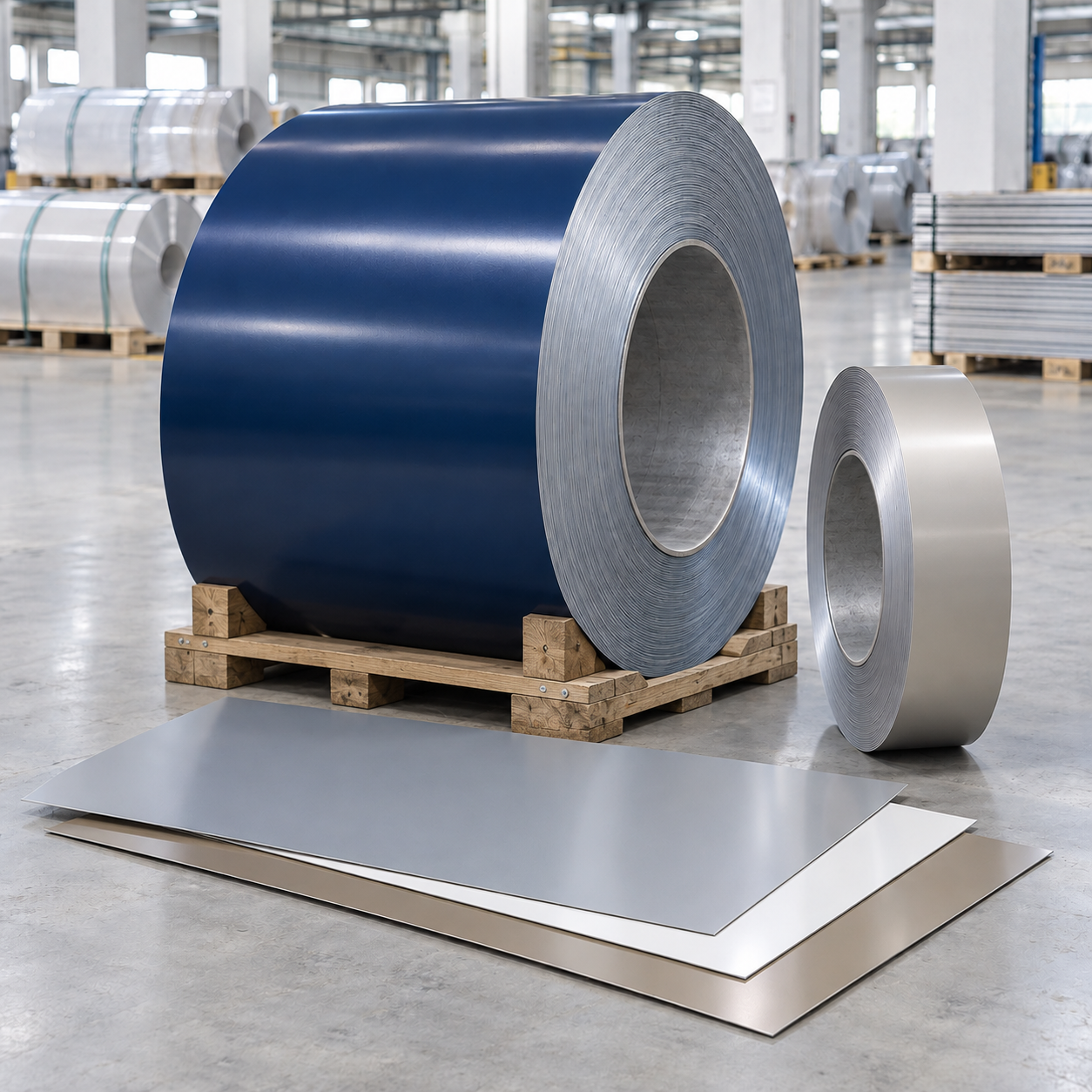

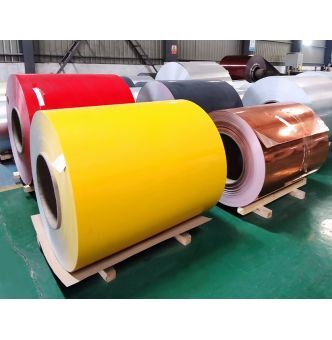
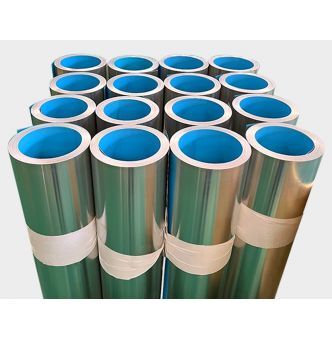
Worthwill manufactures PVDF coated aluminum coil and sheet for exterior building facades, curtain walls, roofing, aluminum composite panels, honeycomb panels and other applications requiring strong UV and weather resistance.
Available alloys include 1050, 1060, 1100, 3003, 3004, 3005, 3105, 5005 and 5052. Standard production covers 0.20–5.00 mm thickness and widths from 30 mm up to 1800 mm, subject to alloy, temper, coating system and processing requirements.
We supply PVDF prepainted aluminum in coil, cut-to-length sheet and slit strip, with RAL colors, metallic colors or custom color matching to an approved physical sample. Two-coat, three-coat and protective back-coat structures can be discussed according to the project specification.
Send us your application, project location, alloy, temper, dimensions, color, gloss, coating requirement and quantity. Our team can help review the material specification before sampling and quotation.
Henan Worthwill Industry Co., Ltd. supplies PVDF coated aluminum coil, sheet and slit strip for architectural and industrial products that require reliable exterior weather resistance, stable appearance and good fabrication performance. The PVDF coating is applied to prepared aluminum by continuous roller coating and controlled oven curing, helping maintain consistent color, gloss and coating coverage across production batches.
Our PVDF prepainted aluminum is commonly specified for building facades, curtain wall systems, metal roofing, aluminum composite panels, honeycomb panels, wall cladding, canopies and other exposed exterior components. Available options include common 1000, 3000 and 5000 series aluminum alloys, RAL colors, metallic finishes, custom color matching, different gloss levels, protective back coats and project-specific coating structures.
PVDF coated aluminum is aluminum coil or sheet finished with a polyvinylidene fluoride fluoropolymer paint system before the metal is cut, roll formed, bent, laminated or fabricated into the final product. It is also commonly described as PVDF prepainted aluminum, PVDF color coated aluminum, fluorocarbon coated aluminum or PVDF painted aluminum.
PVDF coatings are mainly selected when long-term resistance to ultraviolet radiation, weathering, moisture, atmospheric pollution and color change is more important than obtaining the lowest initial coating cost. This makes PVDF particularly suitable for exterior architectural applications where replacement, repainting or visible fading would be expensive or difficult.
A typical PVDF coated aluminum system includes surface pretreatment, primer, PVDF color coat and a protective reverse-side coating. Depending on the project, a clear coat may also be added to create a three-coat system. The exact coating structure should be confirmed according to the exposure environment, color, forming process, required performance standard and paint supplier's technical specification.
Strong UV resistance: PVDF fluoropolymer coatings are widely used for exterior architectural metals because the resin system provides high resistance to degradation caused by prolonged sunlight exposure. This is especially important for building facades and roofing in high-UV regions.
Better long-term color stability: A properly specified PVDF system normally provides better resistance to fading, chalking and gloss loss than standard polyester coatings under severe exterior exposure. Actual performance still depends on paint formulation, pigment, coating thickness, curing, climate and maintenance conditions.
Suitable for demanding environments: PVDF coated aluminum is frequently selected for coastal projects, commercial buildings, transportation facilities and industrial environments where moisture, salt, sunlight or atmospheric contaminants place greater demands on the coating system.
Factory-controlled appearance: Continuous coil coating provides controlled paint application before fabrication, helping manufacturers maintain uniform color, gloss and film coverage over large production quantities.
Good fabrication potential: When the alloy, temper, coating formulation and forming radius are correctly matched, PVDF prepainted aluminum can be cut, roll formed, bent, profiled and laminated into many architectural and industrial components.
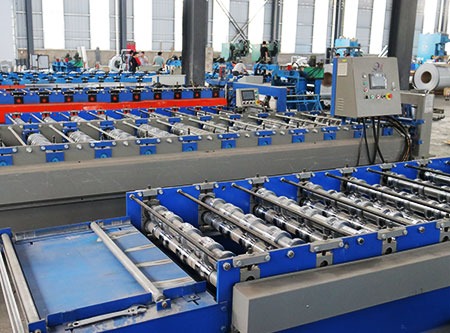
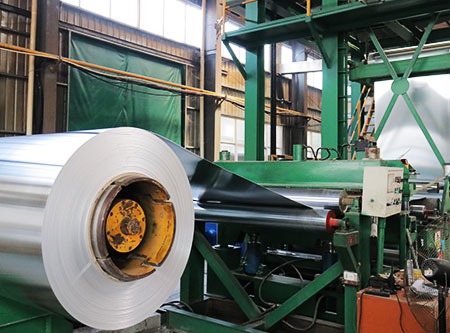
PVDF coated aluminum coil is suitable for continuous roll forming, profiling, corrugating, lamination and high-volume manufacturing. It is widely used by roofing manufacturers, facade panel producers, aluminum composite panel manufacturers and building-material fabricators. Coil width, inside diameter and coil weight can be discussed according to the customer's processing equipment.
Cut-to-length PVDF coated aluminum sheet is available for CNC cutting, bending, panel fabrication, architectural cladding, equipment panels and other sheet-processing applications. Sheet length, surface protection and pallet packing can be customized according to the order.
Slit PVDF coated aluminum is available for narrow-width roofing accessories, trims, flashing, decorative profiles and other continuous components. Slit width, tolerance, edge condition and coil dimensions should be confirmed before production.
PVDF performance should not be judged by the word “PVDF” alone. Buyers should confirm the complete coating structure, resin requirement, primer, film thickness, color system and applicable performance standard.
Two-coat PVDF system: A typical system consists of primer plus PVDF color topcoat. It is widely used for exterior architectural aluminum where good weather resistance and color retention are required.
Three-coat PVDF system: A three-coat system normally includes primer, color coat and clear coat. It may be specified for metallic colors, special architectural finishes or projects requiring an upgraded coating structure.
70% PVDF architectural coatings: For demanding architectural projects, specifications may require a high-performance coating in which PVDF represents at least 70% by weight of the resin binder in the color coat. The required resin system, approved paint formulator and performance standard should be clearly stated in the project specification rather than assuming that every coating marketed as “PVDF” provides the same performance.
When a project specifies a particular PVDF resin brand, paint manufacturer or architectural standard, send the complete specification to Worthwill before quotation so that coating availability and technical compliance can be checked.
There is no single coating thickness that is correct for every PVDF project. Film thickness depends on whether the material uses a two-coat or three-coat system, the paint formulation, application method, color and required performance specification.
For many architectural coil-coated applications, the exposed-face PVDF coating is commonly specified at approximately 25 μm or above for a two-coat system, while three-coat systems normally use a higher total film build. The final dry film thickness and individual primer, color coat, clear coat and back-coat requirements should always follow the approved purchase specification.
A thicker coating does not automatically guarantee better exterior performance. Resin chemistry, pigment stability, pretreatment, primer compatibility, curing control and coating adhesion are equally important.
Worthwill supplies PVDF coated aluminum in common alloys including 1050, 1060, 1100, 3003, 3004, 3005, 3105, 5005 and 5052. Available tempers depend on the selected alloy, forming process and final application.
Standard production covers aluminum thicknesses from 0.20 to 5.00 mm and widths from 30 to 1800 mm, subject to alloy, temper, coating structure and processing route. Coil, cut-to-length sheet and slit strip are available.
Colors can be selected from standard RAL references or matched to an approved physical sample. Solid colors, metallic shades, matte and different gloss levels can be discussed according to paint availability and order quantity.
1050, 1060 and 1100: These commercially pure aluminum grades provide good formability and are suitable for decorative panels, signs, trim components and applications where easy processing is important.
3003: 3003 offers a useful balance of formability, corrosion resistance and strength. It is commonly selected for architectural panels, roofing components, wall systems and general building products.
3004, 3005 and 3105: These alloys provide higher strength than common 1000-series aluminum while retaining suitable forming performance. They are often considered for roofing, wall cladding, siding, gutters and roll-formed building components.
5005 and 5052: These alloys can be considered when higher strength or more demanding fabrication and service conditions are required. The final alloy and temper should be confirmed according to bending, forming and structural requirements.
The correct alloy should be selected together with the temper and coating system. Choosing an alloy only because it appears on a supplier's standard list can lead to unnecessary cost or poor forming performance.
Exterior facades are one of the most important applications for PVDF coated aluminum. High-rise buildings, commercial complexes, airports, hotels and public facilities require exterior surfaces that can maintain a consistent architectural appearance under prolonged sunlight, rain and atmospheric exposure.
PVDF coated aluminum can be fabricated into solid aluminum facade panels, curtain wall components, decorative cladding and other exterior architectural systems.
PVDF coated aluminum coil is used for standing-seam roofing, corrugated roofing, profiled roof panels, canopies and other premium exterior roofing systems. The coating system should be selected according to project location, UV exposure, rainfall, coastal conditions, profile geometry and forming requirements.
PVDF coated aluminum is widely used as an exterior facing material for aluminum composite panels and aluminum honeycomb panels. For laminated products, the reverse-side treatment and coating must be compatible with the adhesive or bonding system used by the panel manufacturer.
The material can be used for wall panels, soffits, column covers, entrance systems, fascia, canopies and other architectural components where color consistency and exterior weather resistance are important.
PVDF coated aluminum can also be specified for airport terminals, railway stations, exhibition centers, stadiums and transportation-related architectural panels. Project-specific fire, structural and coating requirements should be confirmed separately because the PVDF coating itself does not determine the complete fire or structural performance of the finished assembly.
PVDF and PE coated aluminum are both produced through coil-coating processes, but they are normally specified for different performance requirements.
Standard PE polyester is typically selected for ceilings, signage, appliance components, interior wall panels and general fabrication where economical cost and good forming performance are important and severe long-term exterior exposure is not required.
PVDF is normally preferred for facades, curtain walls, premium roofing, coastal projects and other demanding exterior applications where UV resistance and long-term appearance retention carry greater value.
For a broader coating comparison, see our PE vs HDP vs PVDF coated aluminum guide. You can also review our PE coated aluminum coil and sheet or the complete color coated aluminum coil and sheet range.
Worthwill can produce common architectural RAL colors together with metallic silver, champagne, bronze, gray, white, black and other project colors. Custom color matching can also be developed from an approved physical sample.
For architectural projects, a physical coated-metal sample is a more reliable approval reference than a computer screen, photograph or printed color chart. The perceived appearance of PVDF coatings can change with gloss, metallic pigment orientation, lighting angle and surface texture.
For projects requiring several production batches, buyers should approve and retain a master sample and communicate acceptable color-difference requirements before mass production. Metallic and special-effect colors require particularly careful batch control.
Henan Worthwill Industry Co., Ltd. is the international department of Henan Jurun New Material Co., Ltd. and Henan Jinyu Color Aluminum Co., Ltd. Our production base is located in Huiguo Town, Gongyi, Zhengzhou, China.
Five coating production lines: Support different color coated aluminum specifications, coating structures and production requirements.
Wide aluminum range: Standard production covers 0.20–5.00 mm thickness and widths up to 1800 mm, with multiple alloy and temper options.
Established coating suppliers: PVDF paint systems from established international coating suppliers can be discussed according to the approved specification, color, project requirement and current production availability.
Custom color service: RAL colors and physical-sample color matching are available for OEM and architectural project orders.
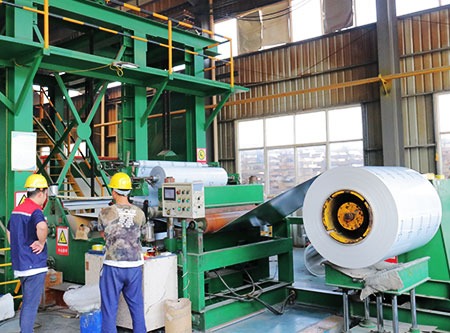
Processing support: Slitting, cut-to-length and selected surface-processing services are available according to final product requirements.
Inspection support: Sample approval, production inspection and third-party inspection can be arranged by agreement when required by the project.
Export packing: Coils and sheets can be packed with moisture-resistant materials, edge protection, strapping and suitable pallet support for international transportation.
Our purpose is not to recommend PVDF for every color coated aluminum order. For many indoor or moderate-exposure applications, PE or HDP may provide a more economical solution. We help buyers match the coating system to the real environment, fabrication method and expected performance.
Step 1 — Base aluminum confirmation: Check alloy, temper, thickness, width and surface condition against the approved order specification.
Step 2 — Cleaning and pretreatment: Remove rolling oil and surface contaminants, then apply the specified pretreatment to support coating adhesion and corrosion performance.
Step 3 — Primer application: Apply the selected primer as required by the PVDF paint system.
Step 4 — PVDF color coating: Apply the approved PVDF topcoat by continuous roller coating under controlled production conditions.
Step 5 — Clear coat where specified: Apply an additional clear layer when required by the three-coat system, metallic finish or project specification.
Step 6 — Oven curing: Cure the coating according to the paint system and line conditions so that the required film properties develop correctly.
Step 7 — Inspection: Check appearance, color, gloss, dry film thickness, adhesion, dimensions and other agreed technical requirements.
Step 8 — Processing and packing: Slit, cut to length or protect the finished material as required before export packing.
Typical inspection items can include aluminum alloy and temper, thickness and width, surface appearance, color difference against the approved sample, gloss, dry film thickness, cross-cut adhesion, T-bend or forming performance, pencil hardness, impact resistance, solvent resistance when specified, coil edge, sheet flatness, surface protection and packing condition.
For architectural projects, test methods and acceptance values should be agreed before production. Writing only “PVDF coating” on the purchase order does not define the complete technical requirement.
If the project requires a specific architectural coating standard, resin content, paint brand, test report or third-party inspection, provide the requirement before sample approval and mass production.
1. Product form: Coil, sheet or slit strip.
2. Aluminum alloy and temper: For example, 3003 H24 or 3105 H24.
3. Dimensions: Aluminum thickness, width and sheet length where applicable.
4. PVDF coating system: Two-coat, three-coat or project-specific structure.
5. Coating requirement: Required dry film thickness, resin requirement, standard or approved technical specification.
6. Color: RAL reference or approved physical sample.
7. Appearance: Gloss, metallic effect or other surface requirement.
8. Reverse-side coating: Protective back coat, primer or bonding requirement.
9. Fabrication method: Bending, roll forming, profiling, stamping, laminating or other processing.
10. Application and project location: Facade, roofing, ACP, cladding or another product, together with coastal, high-UV, industrial or other special exposure conditions.
11. Coil requirements: Inside diameter and maximum coil weight where applicable.
12. Commercial information: Quantity, destination port, packing requirement and delivery schedule.
No. Performance can vary with PVDF resin content, paint formulation, pigment, primer, pretreatment, film thickness and curing conditions. For demanding architectural projects, specify the required coating system and performance standard rather than purchasing only by the name “PVDF.”
In high-performance architectural coating terminology, 70% PVDF generally means that PVDF resin represents at least 70% by weight of the resin binder in the color coat. It does not mean that 70% of the total wet paint or finished coating is pure PVDF.
For severe and long-term exterior exposure, PVDF normally provides better UV resistance and appearance retention than standard PE polyester. PE remains a practical and economical choice for interiors and many moderate-exposure applications. The correct coating depends on the application rather than simply choosing the most expensive system.
PVDF is commonly selected for demanding exterior and coastal projects, but coating selection should also consider salt exposure, aluminum alloy, pretreatment, panel design, cut edges, fasteners, drainage and maintenance. Send us the project location and environmental conditions so the specification can be reviewed.
Yes. Worthwill can produce standard RAL colors and develop custom colors from an approved physical sample. For metallic and special-effect finishes, physical sample approval is strongly recommended before mass production.
Yes. We supply PVDF coated aluminum coil, slit strip and cut-to-length sheet. Dimensions, coil size, protective film, sheet length and export packing can be customized according to the confirmed order.
Send Worthwill your product form, alloy, temper, dimensions, PVDF coating requirement, color, gloss, forming process, project location and order quantity. We will review the specification and provide a practical material recommendation, sample plan and quotation.
For engineered architectural projects, attaching the coating specification, approved color reference or project technical document at the RFQ stage can significantly reduce repeated confirmation and help avoid purchasing the wrong coating system.
| Item | Available Specification |
| Product | PVDF Coated Aluminum Coil, Sheet and Slit Strip |
| Coating Type | PVDF / Fluorocarbon Coating |
| Alloy | 1050, 1060, 1100, 3003, 3004, 3005, 3105, 5005, 5052; other grades by agreement |
| Temper | O, H12, H14, H16, H18, H22, H24, H26, H28, H32, H34 and other applicable tempers depending on alloy and forming requirement |
| Thickness | 0.20–5.00 mm, subject to alloy, temper and production route |
| Width | 30–1800 mm |
| Sheet Length | Custom cut-to-length |
| PVDF System | Two-coat, three-coat or project-specific coating structure |
| Front Coating Thickness | According to approved project specification; architectural two-coat PVDF systems are commonly specified at approximately 25 μm or above |
| Back Coating | Protective back coat, primer plus back coat or project-specific reverse-side treatment |
| Color | RAL colors, metallic colors or custom matching to an approved physical sample |
| Gloss | Matte, low gloss, medium gloss or project-specific requirement |
| Coating Sides | One-side decorative PVDF coating with protective back coat; other structures by agreement |
| Surface Protection | Removable protective film, paper interleaving or as agreed |
| Processing | Slitting, cut-to-length and selected surface processing |
| Typical Applications | Building facades, curtain walls, roofing, ACP, honeycomb panels, exterior cladding, canopies and architectural panels |
| Testing | Color difference, gloss, film thickness, adhesion, T-bend, pencil hardness, impact and other tests according to the approved specification |
| Standards | ASTM, EN, GB/T or project-specific requirements when stated in the order |
| Color Matching | RAL reference or approved physical coated-metal sample |
| Sample / Inspection | Sample approval and third-party inspection available by agreement |
| Packing | Moisture-resistant export packing with edge protection, strapping and pallet support |
Send us your product, alloy, size, quantity and application requirements for a detailed quotation.