Related Products



Position: Home > Products > Aluminum Foil
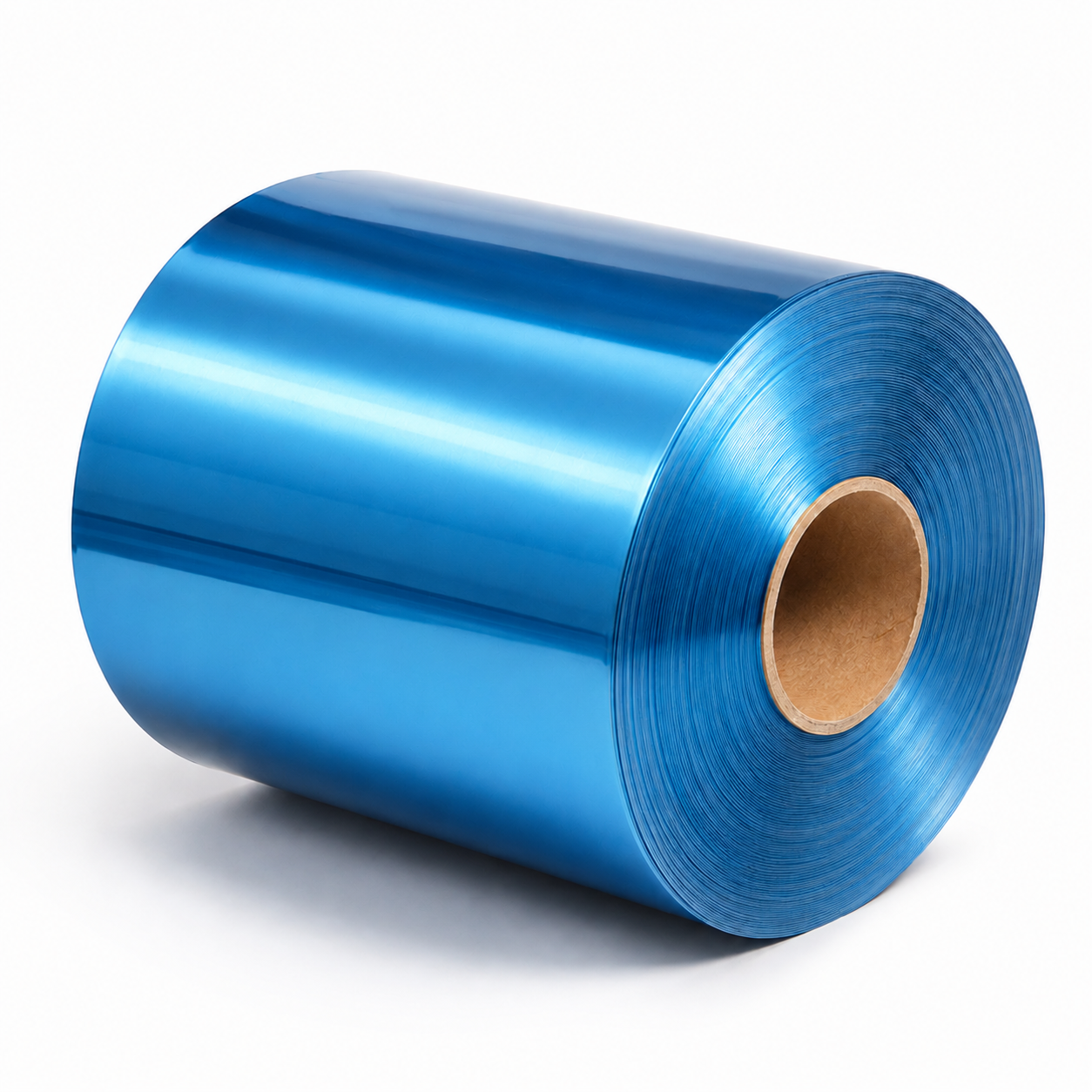


Hydrophilic aluminum foil is pre-coated aluminum fin stock designed for heat exchangers operating under condensing conditions. The hydrophilic surface allows condensate to spread and drain more easily instead of remaining as large droplets between closely spaced fins.
Henan Worthwill Industry Co., Ltd. supplies hydrophilic aluminum fin stock for residential and commercial air conditioners, refrigeration equipment, dehumidifiers, heat pumps and other HVAC heat exchangers. Common alloy options include 8011, 1100 and 3102, with alloy, temper, gauge, width and coil dimensions selected according to the fin-forming process.
Blue, gold and clear/silver hydrophilic coating systems can be discussed according to the approved sample and technical specification. For performance-critical orders, coating sides, hydrophilicity, coating adhesion, corrosion resistance and forming requirements should be specified rather than selecting the material by color alone.
For quotation, send the required alloy and temper, thickness, width, coil ID or coil weight, coating color, single- or double-side treatment, application, quantity and required test standard.
Hydrophilic aluminum foil, also called hydrophilic aluminum fin stock, hydrophilic coated aluminum foil or air conditioner fin stock, is aluminum foil finished with a functional surface treatment that improves its wettability. It is mainly processed into thin fins for air-conditioning, refrigeration and other heat-exchanger systems.
During cooling and dehumidification, moisture in the air condenses on cold heat-exchanger fins. The hydrophilic surface encourages this water to spread across the fin and drain instead of remaining as large droplets between adjacent fins. For HVAC manufacturers, this makes coating performance, forming behavior and coil consistency as important as the aluminum alloy itself.
A conventional bare aluminum fin has the natural surface characteristics of rolled aluminum. Hydrophilic fin stock adds a controlled surface treatment that changes how condensate interacts with the fin.
The product should therefore be specified as a complete fin-stock system rather than simply as colored aluminum foil. The buyer needs to consider the aluminum substrate, temper, gauge, coating chemistry, coating sides, wettability, corrosion requirement and downstream fin-forming process together.
Hydrophilic foil is different from ordinary decorative color coated aluminum foil. Blue, gold or clear appearance may identify a coating system, but color alone does not determine hydrophilic performance. For applications that do not require functional coating, buyers can also refer to our plain aluminum foil range.
When an untreated surface holds separate water droplets, condensate may remain between closely spaced fins and partially restrict the airflow passage.
A properly specified hydrophilic coating gives the surface stronger wettability. Water tends to spread over a larger surface area and drain along the fin rather than remaining as large beads. Under wet operating conditions this can help reduce condensate accumulation, water carryover and air-side resistance.
Actual system performance still depends on fin geometry, fin spacing, air velocity, temperature, humidity, coating condition and heat-exchanger design. Hydrophilic foil should therefore be selected according to the customer's operating and testing requirements rather than by relying on a fixed efficiency claim.

Hydrophilic topcoat: Provides the required surface wettability and controls how condensed water spreads across the fin.
Pretreatment or protective layer: Promotes coating adhesion and can contribute to corrosion protection according to the specified coating system.
Aluminum fin-stock substrate: Provides thermal conductivity, formability and mechanical support. Alloy and temper are selected according to the fin design and forming process.
Reverse-side treatment: Depending on the specification, the reverse side may also receive hydrophilic treatment or another agreed protective coating.
The exact coating structure, chemistry and film properties should be confirmed against the approved specification or sample.
8011 Hydrophilic Aluminum Foil: 8011 is widely used for aluminum foil and fin-stock applications because it provides a practical combination of strength, formability and thin-gauge processing performance.
1100 / 1200 Aluminum Fin Stock: Commercially pure aluminum grades can be selected where good forming behavior and thermal performance are important.
3102 Aluminum Fin Stock: 3102 is another commonly specified heat-exchanger fin material where the required strength and forming characteristics need to be balanced.
Temper Selection: H22, H24 and H26 are common fin-stock temper ranges, while the final temper depends on alloy, thickness, fin geometry and forming equipment.
The alloy and temper should not be treated as interchangeable. For high-speed fin presses, the customer should provide the existing material specification, drawing or sample whenever possible.
Product form: Hydrophilic aluminum foil coil, hydrophilic fin stock and slit coil.
Common alloys: 8011, 1100, 1200, 3102 and other agreed fin-stock grades.
Typical tempers: H22, H24, H26 and alloy-specific tempers according to forming requirements.
Typical thickness: Approximately 0.08–0.20 mm for common heat-exchanger fin applications; final range subject to alloy, temper, width and order specification.
Typical width: Approximately 80–1250 mm; custom slit widths can be discussed according to the fin press and coil specification.
Coating sides: Single-side or double-side hydrophilic treatment according to the application.
Coating appearance: Blue, gold, clear/silver or approved custom coating system.
Coil ID: 76 mm, 152 mm or other agreed core size where available.
Coil OD / coil weight: Customized according to the customer's equipment, handling limits and order requirements.
Surface requirement: Clean, uniformly coated surface with controlled edges and winding suitable for downstream fin forming.
Blue hydrophilic aluminum foil is one of the most recognizable forms of coated air-conditioner fin stock. The blue appearance normally comes from the selected coating formulation or pigment system.
For purchasing purposes, the important information is not simply that the foil is blue. Buyers should also confirm the substrate alloy, temper, coating sides, hydrophilic test requirement, coating adhesion, corrosion test and forming performance.
Gold hydrophilic aluminum foil is also used for HVAC and heat-exchanger fin applications. It can provide the required hydrophilic surface while giving the finished heat exchanger a distinctive gold appearance.
Gold foil should not automatically be considered technically better or worse than blue foil. Performance depends on the complete coating specification and test results rather than the coating color alone.
A transparent hydrophilic treatment can maintain more of the natural metallic appearance of the aluminum substrate while providing the required surface wettability.
For OEM programs, blue, gold and clear coating systems should be evaluated according to the customer's technical requirement, existing approved sample and target market.
| Comparison | Hydrophilic Aluminum Fin Stock | Plain Aluminum Fin Stock |
|---|---|---|
| Surface | Functional high-wettability coating | Bare or conventional aluminum surface |
| Condensate Behavior | Encourages water to spread and drain along the fin | More likely to retain separate droplets depending on surface condition |
| Wet Airflow | Can help reduce water bridging and wet air-side resistance | More dependent on bare-surface condensate behavior |
| Corrosion Protection | Can be integrated with protective coating functions according to specification | Relies mainly on the aluminum substrate and any separate treatment |
| Typical Selection | Condensing HVAC, refrigeration and wet-operation heat exchangers | Dry-condition or cost-sensitive fin applications |
Residential air conditioners: Indoor and outdoor heat-exchanger fin components used in split, window and other room air-conditioning systems.
Commercial HVAC systems: Fin-and-tube heat exchangers used in larger air-conditioning and ventilation equipment.
Refrigerators and commercial refrigeration: Evaporator and heat-exchanger fins used in refrigeration cabinets, cold-storage equipment and related cooling systems.
Dehumidifiers: Fin stock for systems that regularly operate under moisture-condensing conditions.
Heat pumps: Aluminum fins for selected evaporator and heat-exchanger assemblies where condensation management is required.
Automotive HVAC: Fin material for selected vehicle air-conditioning and thermal-management heat exchangers according to the required specification.
OEM heat exchangers: Customized fin stock for equipment manufacturers producing condensers, evaporators and other fin-and-tube heat exchangers.
Step 1 — Base foil confirmation: Confirm the aluminum alloy, temper, thickness, width, surface condition and mechanical requirements.
Step 2 — Cleaning and degreasing: Remove rolling oil and surface contamination so that the coating system can bond consistently to the aluminum substrate.
Step 3 — Surface pretreatment: Apply the required pretreatment or protective system according to the coating specification.
Step 4 — Hydrophilic coating: Apply the functional hydrophilic coating under controlled coating conditions.
Step 5 — Curing: Cure the coating at the specified process conditions to develop the required adhesion and surface properties.
Step 6 — Inspection, slitting and rewinding: Check the coated surface and dimensions before the material is slit or rewound to the required finished coil specification.
Alloy and temper: Verify the substrate material against the confirmed purchase specification.
Thickness and width: Control foil gauge and finished coil width for stable high-speed fin forming.
Surface and coating uniformity: Inspect for coating consistency, contamination, scratches, bare areas and other visible defects.
Hydrophilicity: Wettability or contact-angle performance can be tested according to the agreed method and acceptance requirement.
Coating adhesion and forming performance: The coating should remain suitable for the customer's fin-forming process without unacceptable peeling or surface damage.
Corrosion testing: Salt-spray or other corrosion testing can be specified when required by the customer or application.
Coil winding and edges: Finished coils should have suitable winding, slit-edge quality, ID, OD and coil weight for handling and downstream production.
Inspection documents: Material certificates, coating test reports or third-party inspection requirements should be agreed before production.
For an accurate quotation and technical confirmation, provide as much of the existing fin-stock specification as possible.
Alloy and temper: For example, 8011-H22, 1100-H24 or the grade currently used on your production line.
Thickness and tolerance: State nominal foil gauge and any special tolerance requirement.
Width: State full coil width or final slit width.
Coil specification: Provide coil ID, maximum OD, target coil weight and any handling limits.
Hydrophilic coating: Confirm blue, gold, clear or another approved coating system.
Coating sides: Specify one-side or two-side hydrophilic treatment.
Performance requirements: State any required contact-angle or wettability test, aging test, coating adhesion requirement, corrosion test or other customer standard.
Fin-forming process: Provide fin geometry, forming method, equipment information or existing material sample when coating adhesion and forming behavior are critical.
Application and quantity: State whether the material is for residential AC, commercial HVAC, refrigeration, automotive HVAC or another heat exchanger, together with the required order quantity.
Henan Worthwill Industry Co., Ltd. supplies aluminum sheet, coil, foil and coated aluminum products for international industrial buyers. For hydrophilic fin stock, the specification can be matched to the required alloy, temper, foil gauge, coil dimensions, coating system and downstream forming process.
Instead of selecting fin stock only by alloy or coating color, buyers can provide an existing specification, sample or drawing so that the important substrate and coating requirements can be reviewed before production.
Export packing, coil identification, material documentation and agreed inspection requirements can be prepared according to the order. This is particularly important for thin foil coils that need stable winding and edge protection during international transport.
What is hydrophilic aluminum foil used for?
It is mainly used as aluminum fin stock for air conditioners, refrigeration equipment, dehumidifiers, heat pumps and other heat exchangers that operate under condensing conditions.
What is the difference between hydrophilic aluminum foil and normal aluminum foil?
Normal fin stock has a bare or conventional aluminum surface. Hydrophilic aluminum foil has a functional coating that increases surface wettability so condensed water spreads and drains differently across the fin.
Is blue hydrophilic aluminum foil better than gold hydrophilic foil?
Not necessarily. Blue and gold mainly describe the coating appearance. The more important purchasing criteria are hydrophilic performance, corrosion resistance, adhesion, forming behavior and compliance with the agreed technical specification.
What alloys are commonly used for hydrophilic fin stock?
8011, 1100, 1200 and 3102 are commonly specified fin-stock grades. The correct alloy and temper depend on foil thickness, fin design and forming process.
Can Worthwill supply custom thickness and width?
Yes. Thickness, width, coil ID, coil OD or coil weight can be discussed according to the required alloy, temper, production quantity and fin-forming equipment.
Can hydrophilic coating be applied on both sides?
Yes. Single-side and double-side treatment can be discussed according to the required heat-exchanger design and coating specification.
How should I evaluate hydrophilic coating quality?
Do not rely on coating color alone. Important test items may include initial and aged wettability or contact angle, coating adhesion, corrosion resistance, coating appearance and forming performance.
What information should I send for a quotation?
Send the alloy, temper, thickness, width, coil ID or coil weight, coating color, coating sides, application, quantity and any required hydrophilicity, corrosion, adhesion or aging test standard. An existing technical data sheet or sample is especially useful for replacement materials.
Henan Worthwill Industry Co., Ltd. supplies hydrophilic aluminum foil and coated fin stock for HVAC, refrigeration and heat-exchanger production. Send your current fin-stock specification, drawing or sample together with the required quantity and application. We will review the aluminum substrate, coating system, coil dimensions, inspection requirements and export packing before quotation.
| Item | Specification |
|---|---|
| Product Name | Hydrophilic Aluminum Foil |
| Product Type | Hydrophilic coated aluminum fin stock |
| Common Alloys | 8011, 1100, 1200, 3102 and other agreed fin-stock grades |
| Typical Tempers | H22, H24, H26 and alloy-specific tempers |
| Typical Thickness | Approximately 0.08–0.20 mm; subject to alloy, temper, width and specification |
| Typical Width | Approximately 80–1250 mm; custom slit width available subject to confirmation |
| Surface Treatment | Functional hydrophilic coating |
| Coating Sides | Single-side or double-side according to specification |
| Coating Appearance | Blue, gold, clear/silver or approved custom system |
| Coil ID | 76 mm / 152 mm or other agreed core size where available |
| Coil OD / Weight | Customized according to production equipment and handling requirement |
| Performance Tests | Hydrophilicity/contact angle, coating adhesion, corrosion and aging tests as specified |
| Applications | Air conditioners, refrigeration, dehumidifiers, heat pumps, automotive HVAC and heat exchangers |
| Packing | Moisture-resistant export coil packing with edge and surface protection |
Send us your product, alloy, size, quantity and application requirements for a detailed quotation.