Related Products



Position: Home > Products > Mill Finish Aluminum

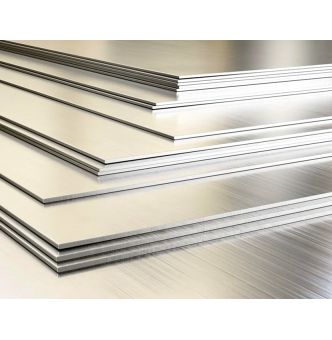
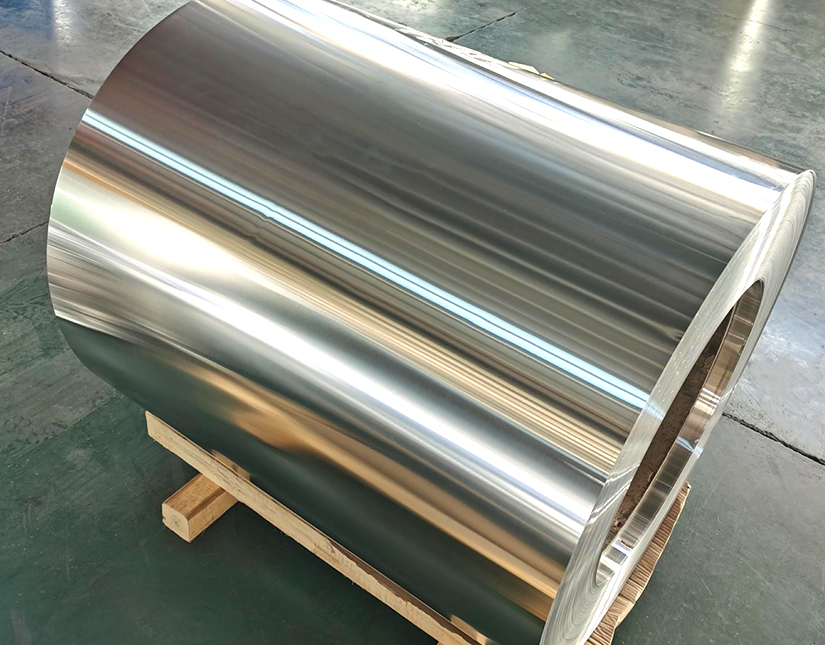
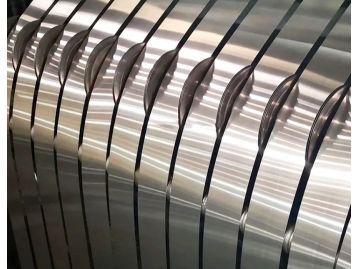
1050 alloy aluminum is a commercially pure, non-heat-treatable grade containing at least 99.5% aluminum. In mill finish form, the sheet and coil retain their natural rolled surface without paint, anodizing or a decorative coating. It is selected when buyers need good corrosion resistance, high formability and reliable thermal or electrical conductivity rather than high structural strength.
Henan Worthwill Industry Co., Ltd. supplies 1050 aluminum sheet, coil and slit strip in O, H12, H14, H18 and H24 tempers. Typical production covers 0.20–5.00 mm thickness and widths from 30 to 1800 mm, with cut-to-length sheets, narrow coils, edge trimming, protective film and export packing available according to the order.
Common uses include stamped parts, reflectors, signs and nameplates, chemical equipment panels, insulation and HVAC components, heat-transfer parts, electrical enclosures and base material for anodizing or coating. Send the required temper, thickness, width, length or coil weight, quantity and end use for a practical quotation.
1050 aluminum sheet and coil belong to the commercially pure 1xxx series. The alloy contains at least 99.5% aluminum and is valued for formability, corrosion resistance, thermal conductivity and electrical conductivity. It is not a heat-treatable alloy. Its strength is controlled mainly by cold working and the selected temper.
For buyers, the main decision is usually not whether 1050 is “good” or “bad,” but whether its balance of softness, purity and conductivity fits the application. It performs well in stamping, bending, spinning, roll forming, heat-transfer parts, reflectors, signs, chemical equipment and general sheet-metal work. It is not intended for heavily loaded structural parts that require the strength of 3003, 5052 or 6061 aluminum.
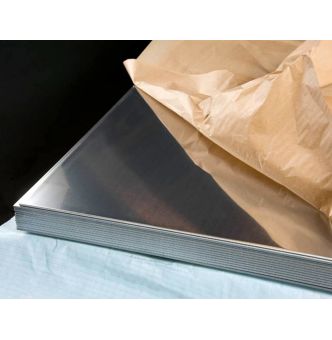
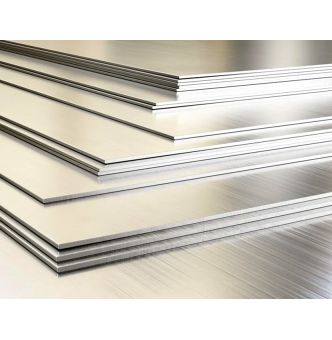
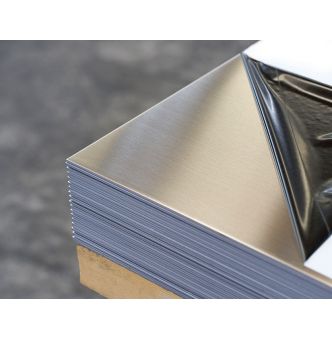
Mill finish means the aluminum keeps the natural surface produced by rolling. It has no paint layer, decorative film or anodized coating. The surface is normally smooth and metallic, but it may show light rolling lines, small tone differences or handling marks that are acceptable for an industrial mill finish.
Because the surface is uncoated, 1050 mill finish aluminum can be used directly for many industrial parts or processed further by anodizing, polishing, brushing, embossing, printing, laminating or color coating. When a highly decorative appearance is required, the surface quality standard and protective-film requirement should be confirmed before production.
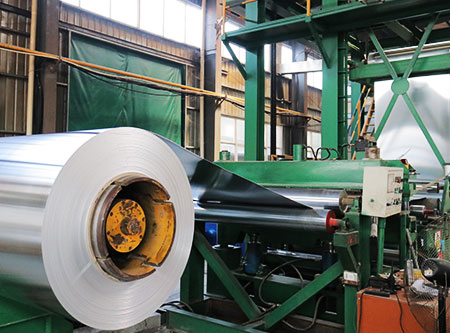
Worthwill supplies 1050 aluminum in coil, sheet and slit-strip form. Material can be ordered in standard mill width, slit to a narrower width or cut to a specified sheet length. The final production route is selected according to thickness, width, temper, flatness, surface requirement and order quantity.
| Product Form | Typical Supply | Common Uses |
|---|---|---|
| 1050 Aluminum Coil | Full-width coil or slit coil | Roll forming, stamping, insulation, signs and continuous production |
| 1050 Aluminum Sheet | Standard or cut-to-length sheet | Panels, reflectors, covers, enclosures and fabricated parts |
| 1050 Aluminum Strip | Precision slit narrow coil | Electrical parts, trim, stamping, winding and small formed components |
Standard processing options: slitting, cut-to-length, edge trimming, leveling, protective film, paper interleaving and application-specific export packing. Other surface processing can be discussed separately.
Temper directly affects hardness, strength and forming performance. The best temper should be selected from the actual forming method and the required stiffness of the finished part, rather than from price alone.
| Temper | General Characteristics | Typical Selection |
|---|---|---|
| O | Softest condition with the highest formability | Deep drawing, spinning and parts with tight forming requirements |
| H12 / H14 | Moderate hardness with a practical balance of stiffness and bendability | General sheet-metal work, panels, signs, stamping and shallow forming |
| H16 / H18 | Higher hardness and better shape retention, with reduced ductility | Flat parts, covers, narrow strip and applications with limited forming |
| H22 / H24 / H26 | Strain-hardened and partially annealed tempers | Applications requiring controlled strength with usable forming performance |
For a new part, send a drawing, bend radius, forming method and sample requirement. A small trial order or sample evaluation is often more useful than choosing a temper only from a general data table.
High aluminum purity: With at least 99.5% aluminum, 1050 is commonly described as commercially pure aluminum. This makes it suitable for applications where conductivity, corrosion resistance and clean material composition are more important than high strength.
Excellent formability: 1050 aluminum can be bent, stamped, drawn, spun and roll formed. O temper is preferred for demanding forming, while H14 is a common choice for general fabrication that needs more stiffness.
Good corrosion resistance: The natural oxide layer helps the aluminum resist corrosion in many indoor, atmospheric and general industrial environments. Suitability for aggressive chemicals, marine exposure or food-contact service should be confirmed against the applicable standard and operating conditions.
Thermal and electrical conductivity: The high-purity alloy transfers heat and electricity efficiently compared with more heavily alloyed aluminum grades. It is used for heat-transfer components, electrical parts and conductive applications where the required mechanical load is moderate.
Weldability and finishing: 1050 aluminum has good welding, brazing and soldering characteristics when the correct process and filler material are used. It is also suitable for anodizing, polishing and chemical brightening.
Low weight and easy fabrication: The material is light, easy to handle and practical for high-volume sheet-metal production. However, its machinability is not as good as harder free-machining alloys.
Electrical and electronic parts: conductive components, electrical enclosures, shielding parts, cable-related components and transformer or equipment parts where purity and conductivity are useful.
Lighting and reflectors: lamp reflectors, lighting covers, decorative reflectors and base material for polished or anodized reflective surfaces.
Chemical and process equipment: equipment panels, covers, containers and fabricated parts used in conditions compatible with commercially pure aluminum.
Heat-transfer and insulation products: heat-spreading components, heat-exchanger fins, HVAC parts, insulation jacketing and thermal-management components.
Signs, nameplates and decorative fabrication: traffic and industrial signs, printed panels, nameplates, display parts and aluminum products that will be anodized, coated or laminated.
General stamping and forming: covers, housings, gaskets, shallow-drawn parts, household components and custom OEM sheet-metal parts.
A mill finish is an industrial surface, not a mirror-polished or prepainted finish. Light rolling lines, slight color variation and small handling traces may be visible, especially on large sheets. These do not normally affect forming or industrial use.
For visible decorative parts, specify the acceptable surface class, inspection method, protective-film type and whether one or both sides are appearance surfaces. A reference sample is recommended when the visual standard is important.
Before painting, printing, bonding or laminating, the surface normally requires cleaning and pretreatment suitable for the selected coating or adhesive system. Mill finish should not be described as “paint ready” without confirming the pretreatment process.
| Alloy | General Position | Choose It When |
|---|---|---|
| 1050 | At least 99.5% aluminum; excellent forming and conductivity; relatively low strength | You need commercially pure aluminum for forming, heat transfer, electrical or general industrial use |
| 1060 | At least 99.6% aluminum; very similar to 1050 with slightly higher purity | Purity and conductivity have priority and the specified standard calls for 1060 |
| 1100 | Commercially pure aluminum with broad use in fabrication | You need a widely specified general-purpose pure aluminum grade |
| 3003 | Aluminum-manganese alloy with higher strength and good formability | The part needs more strength than 1050 while retaining good forming and corrosion resistance |
The closest grade is not always interchangeable. Chemical-composition limits, mechanical properties and designation systems can differ between AA 1050 and EN AW-1050A. The purchase order should state the required standard, alloy designation, temper and test-document requirement.
For each order, the inspection plan can cover chemical composition, temper, thickness, width, length, flatness, surface condition, edge quality, coil inner diameter, coil weight and packing. Test documents should be agreed before production when a mill test certificate or third-party inspection is required.
Sheets and coils are packed to reduce moisture, movement and edge damage during transport. Depending on the product form, packing can include waterproof wrapping, paper or film protection, edge guards, steel strapping, wooden pallets or wooden cases.
To receive an accurate quotation, provide the alloy standard, temper, thickness, width, sheet length or coil requirement, quantity, surface expectation, protective-film requirement, application, destination port and any special tolerance or inspection requirement.
1050 should not be selected only because it is easy to form or economical. For load-bearing parts, high-pressure components, severe marine service, demanding machining or applications requiring high fatigue strength, a stronger alloy such as 3003, 5052, 5083 or 6061 may be more appropriate. Final material selection should be based on the part design and service conditions.
Is 1050 aluminum the same as pure aluminum? It is commercially pure aluminum rather than laboratory-pure aluminum. The grade contains at least 99.5% aluminum, with controlled limits for other elements.
What is the difference between 1050 and 1050A? Both are 99.5% aluminum grades, but the detailed composition limits and designation rules depend on the applicable standard. State AA 1050 or EN AW-1050A clearly on the inquiry and purchase order.
Is 1050 aluminum heat treatable? No. Its strength is increased mainly by cold working, which is why O, H12, H14, H18 and related H tempers are commonly specified.
Which temper is best for bending? O temper gives the highest formability. H12 or H14 is often selected when the part needs both bending performance and moderate stiffness. The correct choice depends on thickness, bend radius and forming direction.
Can mill finish 1050 aluminum be anodized or painted? Yes. It can be anodized, polished, coated or printed after suitable cleaning and pretreatment. Decorative results should be confirmed with a sample because the starting surface affects the final appearance.
Can you supply custom-width coil and cut-to-length sheet? Yes. Slitting, edge trimming and cut-to-length processing are available according to the final size, tolerance and quantity.
What information is needed for a quotation? Please send the alloy and standard, temper, thickness, width, length or coil weight, quantity, application, surface requirement, protective film, destination and required test documents.
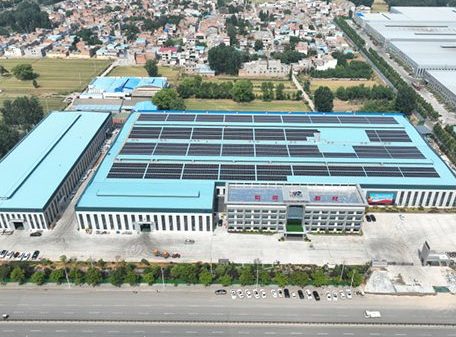
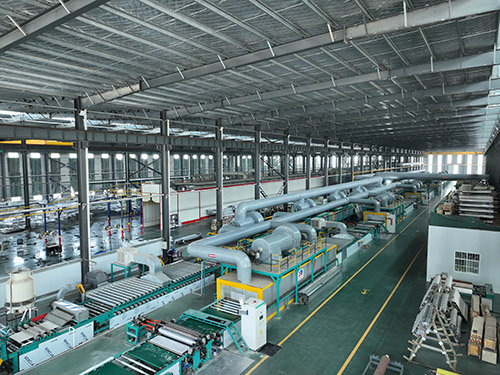
Henan Worthwill Industry Co., Ltd. supplies 1050 mill finish aluminum sheet, coil and strip for industrial fabrication and export projects. Send your specification or drawing, and our team will check the suitable temper, production range, processing route, packing method and delivery terms before quotation.
| Item | Specification |
|---|---|
| Product Name | 1050 Alloy Mill Finish Aluminum Sheet & Coil |
| Alloy | AA 1050 / EN AW-1050A, subject to the specified standard |
| Aluminum Content | Minimum 99.5% |
| Product Forms | Coil, sheet, slit strip and cut-to-length blanks |
| Temper | O, H12, H14, H16, H18, H22, H24, H26 or as agreed |
| Typical Thickness | 0.20–5.00 mm, subject to temper, width and quantity |
| Typical Width | 30–1800 mm, full width or slit width |
| Sheet Length | Custom cut-to-length |
| Surface | Natural mill finish; one-side or two-side protective film optional |
| Processing | Slitting, leveling, cut-to-length, edge trimming and paper interleaving |
| Standards | GB/T 3880, ASTM B209, EN 573 and EN 485, as specified in the contract |
| Packing | Moisture-resistant export packing on wooden pallets or in wooden cases |
The following values are a general reference for 1050/1050A aluminum. The final chemical limits must follow the standard stated in the purchase contract and mill test certificate.
| Element | Si | Fe | Cu | Mn | Mg | Zn | Ti | Al |
|---|---|---|---|---|---|---|---|---|
| Typical Limit (%) | ≤0.25 | ≤0.40 | ≤0.05 | ≤0.05 | ≤0.05 | ≤0.07 | ≤0.05 | ≥99.50 |
Mechanical properties vary with governing standard, thickness and production route. The values below are indicative purchasing guidance only and must not be used as final design values.
| Temper | Typical Tensile Strength | General Formability |
|---|---|---|
| O | About 60–100 MPa | Highest |
| H12 / H14 / H24 | About 95–130 MPa | Good to moderate |
| H18 | Typically 130 MPa or higher | Limited |
Send us your product, alloy, size, quantity and application requirements for a detailed quotation.