Related Products



Position: Home > Products > Mill Finish Aluminum
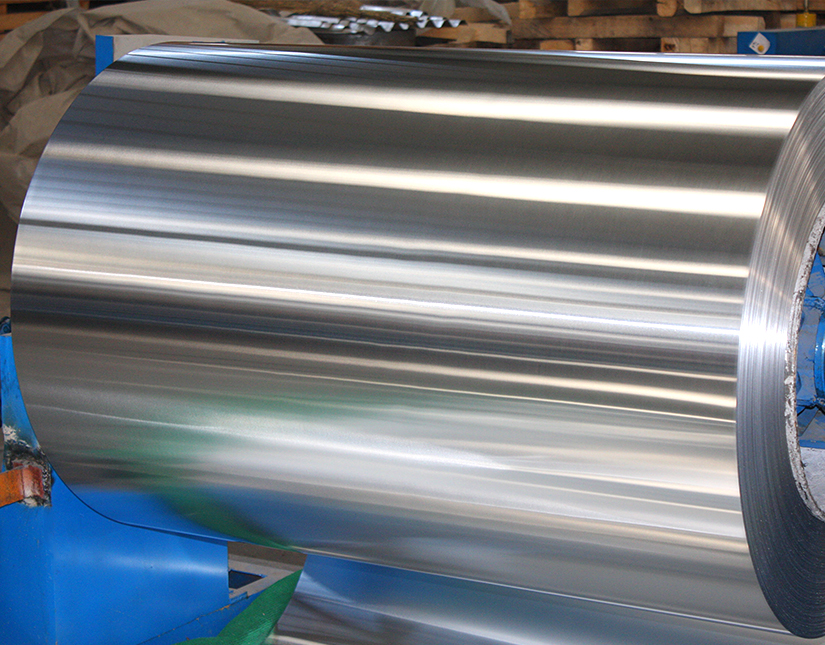
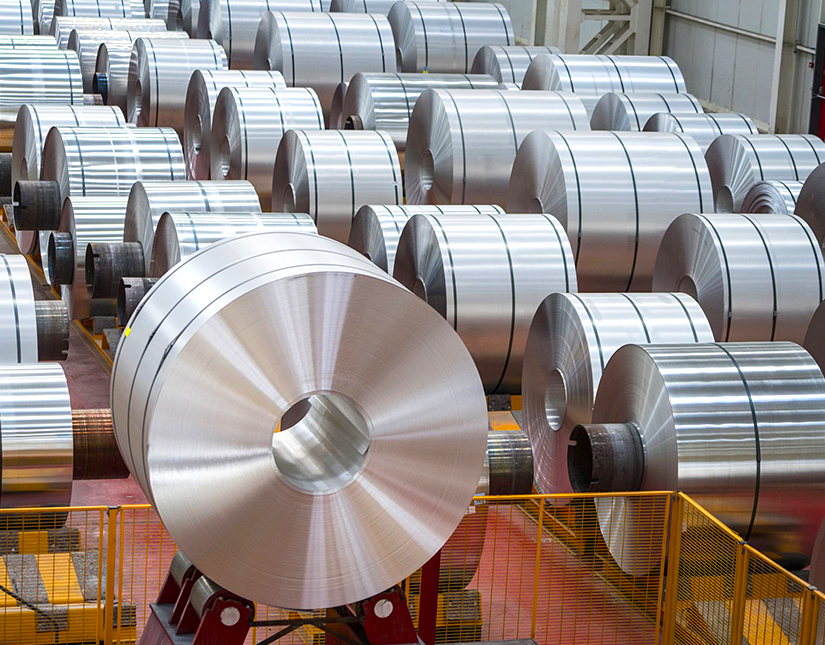
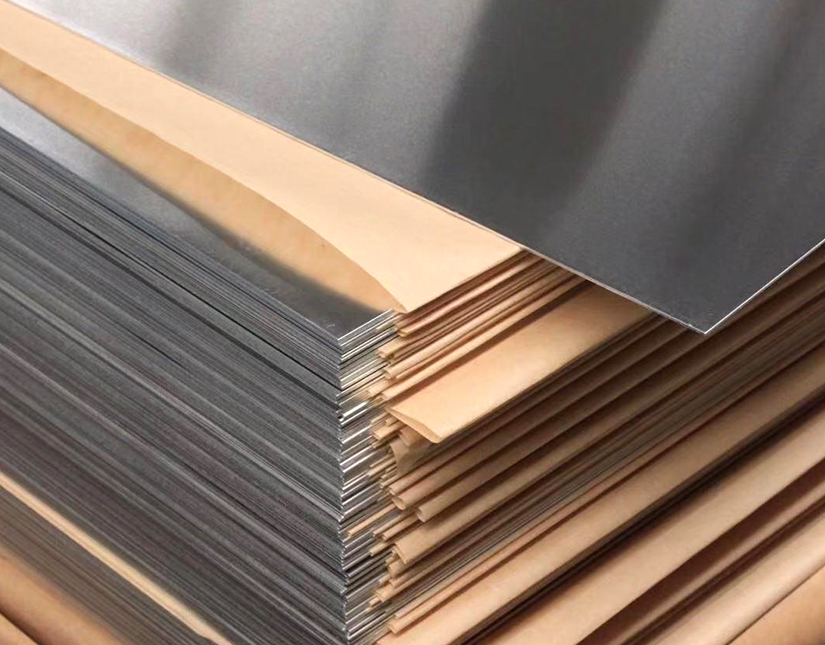
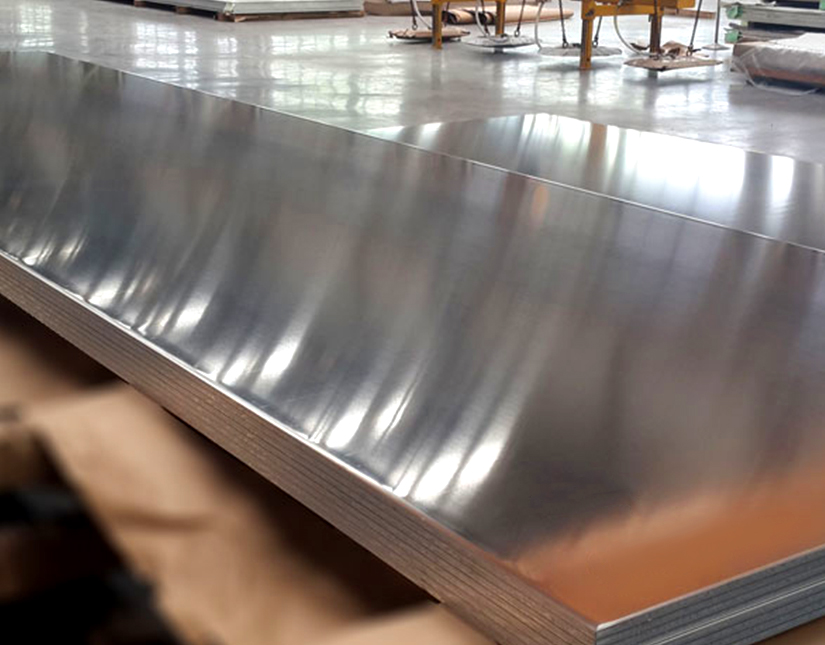
1030 mill finish aluminum is a commercially pure 1xxx-series aluminum grade with a historical minimum aluminum content of 99.30%. It is a non-heat-treatable material associated with good formability, corrosion resistance and thermal conductivity. The 1030 designation is currently classified as inactive by The Aluminum Association, so its original chemical specification and current sourcing requirements should be confirmed before ordering.
Henan Worthwill Industry Co., Ltd. reviews inquiries for 1030 aluminum sheet, aluminum coil and slit-strip material in natural mill finish. Custom thicknesses, widths, sheet lengths, tempers, surface protection and processing options can be evaluated according to the required historical composition, production feasibility and order quantity. Availability and mechanical properties must be confirmed for each order.
Typical projects involve formed components, sheet-metal fabrication, equipment covers and other applications that specify commercially pure aluminum. For new designs, 1050, 1060 or 1100 aluminum may provide more readily available alternatives, subject to engineering approval. Send your drawing or material specification for a technical review and quotation. Our standard MOQ is generally 3 metric tons, with final terms confirmed before production.
1030 aluminum is a commercially pure, non-heat-treatable aluminum grade from the 1xxx series. Its original alloy designation specifies a minimum aluminum content of 99.30%. Like other commercially pure aluminum grades, it is associated with good workability, natural corrosion resistance and useful thermal and electrical conductivity, although actual performance depends on composition, temper and production conditions.
1030 aluminum sheet and coil may be requested for older engineering drawings, legacy material specifications or projects where a particular chemical composition must be maintained. However, 1030 is not a commonly specified active alloy designation today. The Aluminum Association lists it among the previously assigned but presently inactive alloy designations.
Henan Worthwill Industry Co., Ltd. can review inquiries for 1030-designated mill finish aluminum sheet, coil and slit material. Before confirming production, the required chemical composition, temper, mechanical properties, dimensions and inspection requirements must be evaluated. Where the original grade is not mandatory, more commonly specified alternatives may simplify purchasing and quality verification.
The 1030 designation belongs to the commercially pure aluminum family. In the traditional four-digit designation system, the final two digits indicate the minimum aluminum content above 99.00%. For 1030, this means a minimum aluminum content of 99.30%.
Unlike heat-treatable aluminum alloys, 1030 cannot obtain a substantial increase in strength through precipitation-hardening heat treatment. Its mechanical behavior is influenced mainly by cold working, annealing, material thickness and manufacturing conditions.
No. According to The Aluminum Association's International Alloy Designations and Chemical Composition Limits, December 2025 edition, 1030 is a previously registered but presently inactive designation. The association records May 23, 1988, as its reclassification date.
This does not mean that the historical composition has no technical value or that material matching the original requirements cannot be manufactured. It means buyers should not assume that 1030 is covered as a current, routinely available grade under every modern aluminum product standard.
For an order requiring 1030, identify the historical chemical composition reference and agree on the applicable product tolerances, mechanical-property requirements and inspection documents before placing the order.
The historical designation and chemical composition can be checked in the Aluminum Association Teal Sheets (December 2025).
Mill finish aluminum retains the natural metallic surface produced during rolling. It has no decorative paint, anodized layer or factory-applied color coating. Depending on the rolling process and inspection requirements, the surface may show light rolling lines, minor tone variations or normal industrial handling marks.
For components that will be stamped, bent, cut or otherwise fabricated, a suitable mill finish can be a practical starting material. Where the finished product needs a controlled decorative appearance, the required surface quality, protective film and acceptable defects should be specified separately.
Commercially pure aluminum generally offers good forming performance, particularly in annealed or softer tempers. Bending, stamping, spinning and roll forming may be possible when the material temper, sheet thickness and forming geometry are properly matched.
As the material is cold worked, its strength and hardness increase while ductility decreases. This is why the selected temper matters as much as the alloy designation when choosing aluminum for formed components.
Commercially pure aluminum develops a thin natural oxide film that helps protect the underlying metal in many ordinary service environments. Its corrosion performance still depends on moisture, chemicals, temperature, contact with other metals and the final operating conditions.
1xxx-series aluminum also provides useful thermal and electrical conductivity. However, conductivity should not be determined from aluminum purity alone. Impurity levels, temper and processing history can affect the measured result. Applications with strict electrical or heat-transfer requirements should specify a suitable test method and acceptance value.
Commercially pure aluminum is generally suitable for many conventional joining and surface-processing operations. For 1030-designated material, the welding method, filler material, forming route and required finished properties should be reviewed against the confirmed composition and application.
Painting, anodizing, polishing, embossing and other surface treatments may be evaluated after suitable cleaning and pretreatment. A mill finish surface should not be assumed to meet a decorative or coating-performance requirement without sample evaluation.
Worthwill reviews 1030 aluminum inquiries in several flat-product forms. The final manufacturing route depends on whether the historical composition can be produced and verified together with the requested temper, dimensions, tolerances and quantity.
| Product Form | Processing Option | Application Considerations |
|---|---|---|
| 1030 Aluminum Sheet | Cut-to-length sheet, leveling and edge trimming | Flat components, equipment panels, covers and fabricated parts |
| 1030 Aluminum Coil | Full-width coil or custom coil weight | Continuous forming, stamping and downstream processing |
| 1030 Aluminum Strip | Slit coil with agreed width and edge requirements | Narrow formed components, trim and industrial fabrication |
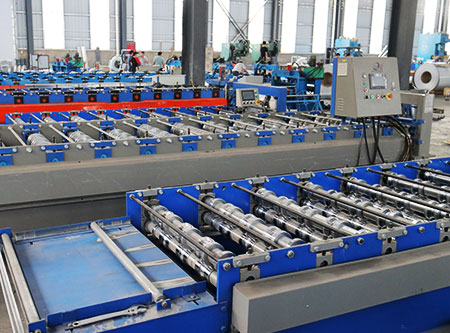
Available operations may include slitting, leveling, cut-to-length processing, edge trimming, protective film and export packaging. These are processing options for consideration, not a guarantee that every dimension or temper is available in 1030.
For other commonly supplied grades and narrow-coil processing, see our Aluminum Strip product range.
Temper describes the processing condition of aluminum and has a direct effect on strength, hardness and formability. For a legacy 1030 specification, a requested temper must be checked against the manufacturing process and the mechanical properties required by the engineering drawing.
Annealed O temper is generally preferred when formability is the main consideration. It is a useful starting point for projects involving tight bends, deeper forming or other operations that require greater ductility.
H12 and H14 are strain-hardened conditions associated with progressively higher strength and lower ductility than the annealed condition. They may be considered for general sheet-metal components where both forming capability and stiffness are important.
H18 represents a fully strain-hardened condition within the conventional H1 temper system. It may be considered where greater hardness or dimensional stiffness is needed and the component requires limited forming after delivery.
These descriptions explain conventional aluminum temper behavior. They are not certified mechanical-property specifications for 1030. Tensile strength, yield strength, elongation and hardness acceptance values must be agreed for the actual material.
1030-designated aluminum is most relevant when an existing specification requires its historical composition. Its possible applications overlap with other commercially pure aluminum grades, but each project should be evaluated on its own requirements.
Mill finish aluminum can be considered for equipment covers, light-duty panels, enclosures, formed brackets and general fabricated components where high structural strength is not the main requirement.
With a suitable temper and forming process, commercially pure aluminum can be used for stamping, bending and spinning operations. The required bend radius, drawing depth and surface condition should be confirmed through production trials or qualified material data.
Lightweight aluminum sheet may be suitable for industrial covers, housings and selected heat-transfer components. Where a project requires a defined thermal conductivity, mechanical strength or service temperature, those values must be verified rather than assumed from the alloy series.
Natural mill finish aluminum can also serve as a starting material for downstream cutting, coating, anodizing or other fabrication operations. The final finish depends on the surface quality, chemical composition and treatment process.
For stamped circular blanks and deep-drawn components using more commonly supplied alloys, explore our Aluminum Circle and Disc product range.
When sourcing 1030 aluminum for an existing project, buyers often need to establish whether another aluminum grade can meet the same functional requirements. The most practical alternatives depend on chemical composition, formability, strength, conductivity, corrosion exposure and the required product standard.
| Alloy | Key Characteristics | Selection Guidance |
|---|---|---|
| 1030 | Minimum 99.30% aluminum; inactive historical designation | Review when an existing drawing or material specification explicitly requires 1030 |
| 1050 | Minimum 99.50% aluminum; good formability and conductivity | Consider for commercially pure aluminum parts requiring a commonly specified grade |
| 1060 | Minimum 99.60% aluminum; high purity and good forming performance | Consider when the required specification prioritizes purity or conductivity |
| 1100 | Minimum 99.00% aluminum; widely used commercially pure grade | Consider for general fabrication when its composition and mechanical properties are acceptable |
| 3003 | Aluminum-manganese alloy offering higher strength than common commercially pure grades | Consider when increased strength is more important than maintaining a pure-aluminum specification |
A higher minimum aluminum content does not automatically mean that one grade will perform better in every application. Detailed impurity limits, temper, mechanical properties and manufacturing conditions also matter.
1050, 1060, 1100 and 3003 are not automatic substitutes for 1030. Any material change must be approved against the engineering drawing, applicable specification and intended service conditions.
Because 1030 is an inactive alloy designation, an accurate technical inquiry is especially important. A designation alone is not enough to confirm that a particular batch will meet your original specification.
For a practical sourcing review, please provide:
For a legacy material, a drawing, previous mill test certificate or established purchasing specification is particularly helpful. It allows the chemical composition and mechanical requirements to be checked before production is proposed.
FOB pricing is quoted according to the aluminum market price and confirmed order requirements. For standard orders, our shipping arrangement is generally within 30 days after receipt of the balance payment, subject to the agreed production and contract terms. Special 1030 material requires separate feasibility and scheduling confirmation.
The historical 1030 alloy specification identifies a minimum aluminum content of 99.30% by mass. Individual impurity limits must also meet the original chemical composition requirements.
No. The Aluminum Association currently classifies 1030 as an inactive alloy designation. Buyers should use a clearly identified historical composition reference and agree on product acceptance requirements before ordering.
No. 1030 and 1100 are different alloy designations with different registered chemical composition limits. They should not be treated as interchangeable without reviewing the applicable specifications and engineering requirements.
O and H14 are conventional aluminum temper designations, but their availability and required mechanical properties for 1030-designated material must be checked with the production source. No particular temper is guaranteed without order confirmation.
Possibly, depending on the application. Both are commercially pure aluminum grades with higher stated minimum aluminum contents, but their detailed chemical limits and mechanical specifications are different. Substitution requires engineering approval.
Worthwill's general minimum order quantity for conventional aluminum products is 3 metric tons. For a special 1030 order, the final MOQ depends on the confirmed material specification and production feasibility.
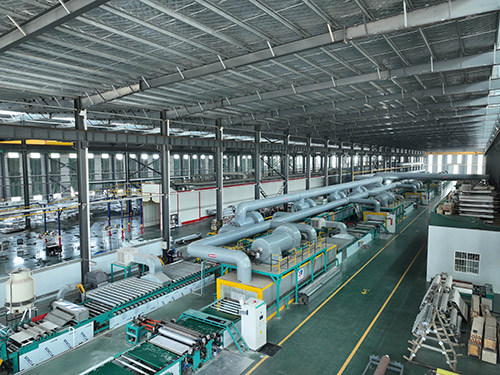
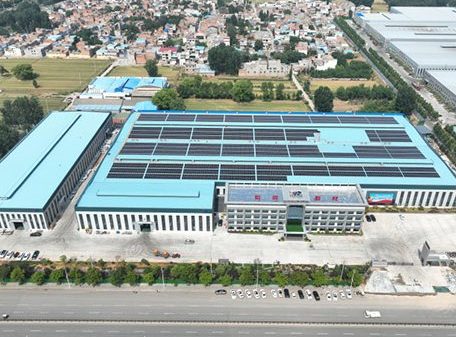
Henan Worthwill Industry Co., Ltd. supports international buyers with aluminum sheet, coil and strip sourcing, custom processing and export coordination. For 1030-designated material, our team can review the historical chemistry, requested temper, dimensions, inspection criteria and feasible production arrangements before preparing a quotation.
If your project permits a current alternative designation, we can also review suitable 1050, 1060 or 1100 mill finish aluminum options. Send your drawing, material specification, quantity and destination to admin@worthwillal.com for a quotation.
The following specifications describe the available quotation and manufacturing options for 1030-designated aluminum. Final supply depends on confirmation of the historical chemical composition, production capability, material condition, dimensions and inspection requirements.
| Item | Specification |
|---|---|
| Product Name | 1030 Mill Finish Aluminum Sheet & Coil |
| Alloy Designation | 1030, historical AA designation (currently inactive) |
| Alloy Series | 1xxx commercially pure aluminum |
| Minimum Aluminum Content | 99.30% by mass |
| Product Forms | Sheet, coil and slit-strip material, subject to production confirmation |
| Temper | O, H12, H14, H18 or other requested condition; availability and properties to be confirmed |
| Indicative Thickness | 0.20–5.00 mm for preliminary review; not a guaranteed 1030 production range |
| Indicative Width | 30–1800 mm for preliminary review; subject to temper, thickness and production route |
| Sheet Length | Custom cut-to-length, subject to order confirmation |
| Surface Finish | Natural mill finish |
| Processing Options | Slitting, leveling, cut-to-length processing, edge trimming and protective film, as agreed |
| Composition Reference | The Aluminum Association Teal Sheets, December 2025, inactive original alloys |
| Quality Documents | Chemical analysis and agreed inspection documentation according to the order |
| MOQ | Generally 3 metric tons; special 1030 requirements subject to confirmation |
| Price | FOB quotation based on aluminum market price and confirmed specifications |
| Delivery | Generally shipped within 30 days after receipt of balance payment, subject to confirmed production and contract terms |
| Packing | Moisture-resistant export packing with edge and surface protection as agreed |
The following values are the historical registered composition limits for 1030 aluminum listed in The Aluminum Association's December 2025 Teal Sheets under inactive original alloys. All maximum values are expressed as percentages by mass.
| Element | Historical Composition Limit |
|---|---|
| Aluminum (Al) | 99.30% minimum |
| Silicon (Si) | 0.35% maximum |
| Iron (Fe) | 0.60% maximum |
| Copper (Cu) | 0.10% maximum |
| Manganese (Mn) | 0.05% maximum |
| Magnesium (Mg) | 0.05% maximum |
| Zinc (Zn) | 0.10% maximum |
| Titanium (Ti) | 0.03% maximum |
| Vanadium (V) | 0.05% maximum |
| Other Elements, Each | 0.03% maximum |
Note: Elements without an individual numerical limit in the historical registration are not shown as zero. The original designation, applicable composition rules and actual chemical analysis must be reviewed when verifying an order. These historical composition values do not establish current sheet or coil mechanical-property compliance.
The table below describes the general effects of conventional non-heat-treatable aluminum tempers. It is not a certified mechanical-property table for 1030. No verified, current grade-specific tensile, yield or elongation values are assumed.
| Temper | General Mechanical Behavior | Verification Required |
|---|---|---|
| O | Annealed; generally higher ductility and lower strength | Formability, tensile strength and elongation |
| H12 | Quarter-hard strain-hardened condition | Strength, elongation and forming suitability |
| H14 | Half-hard strain-hardened condition | Tensile strength, yield strength and bend performance |
| H18 | Fully strain-hardened condition with reduced formability | Strength, hardness and permitted forming operations |
For a 1030 order, required tensile strength, yield strength, elongation, hardness and bend performance must be defined by the buyer's specification or agreed inspection requirements. Mechanical values from 1050, 1060 or 1100 must not be presented as certified 1030 properties.
Commercially pure aluminum grades share several general physical characteristics. However, the historical 1030 chemical registration does not provide a complete modern set of guaranteed physical-property values. The following guidance should not be used as a substitute for project-specific testing or certification.
| Property / Requirement | Reference Guidance |
|---|---|
| Material Family | Commercially pure 1xxx-series aluminum |
| Density | Approximately 2.70 g/cm³ as general commercially pure aluminum guidance; not a certified 1030 value |
| Heat Treatment | Non-heat-treatable for precipitation hardening |
| Electrical Conductivity | Conductive material; measured value must be specified and verified where critical |
| Thermal Conductivity | Useful heat-transfer performance; exact value depends on material condition and must be confirmed if required |
| Chemical Analysis | Verify the agreed historical 1030 composition limits and actual production-batch results |
| Mechanical Inspection | Test against agreed tensile, yield, elongation, hardness or bend requirements |
| Dimensional Inspection | Thickness, width, length, flatness and edge tolerance according to the purchase specification |
| Surface Inspection | Natural mill finish with agreed appearance and surface-defect acceptance criteria |
All values and processing options are provided for preliminary technical evaluation. The final material designation, product standard, chemical analysis, mechanical properties, dimensions, inspection documents, price and delivery conditions must be confirmed in the quotation and purchase contract.

Send us your product, alloy, size, quantity and application requirements for a detailed quotation.