Related Products



Position: Home > Products > Mill Finish Aluminum
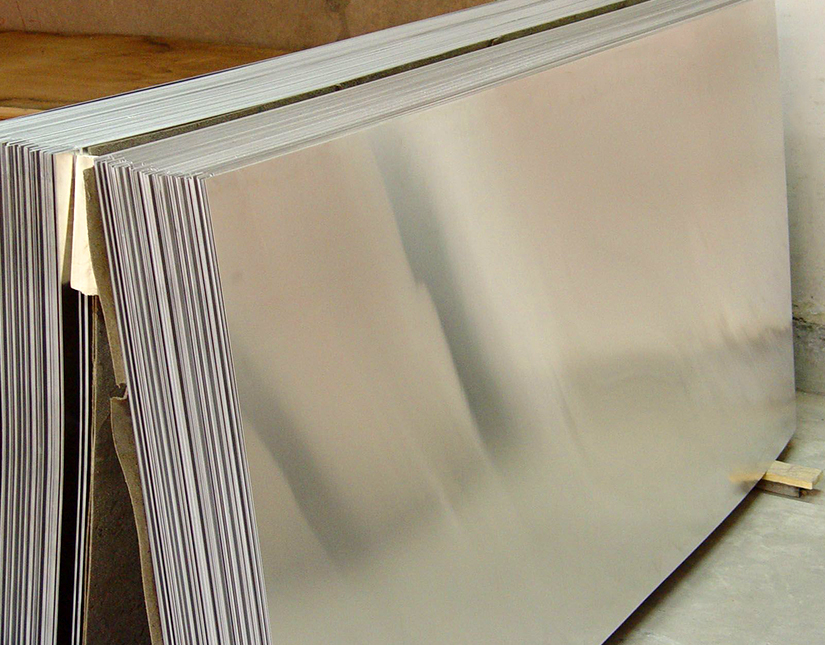
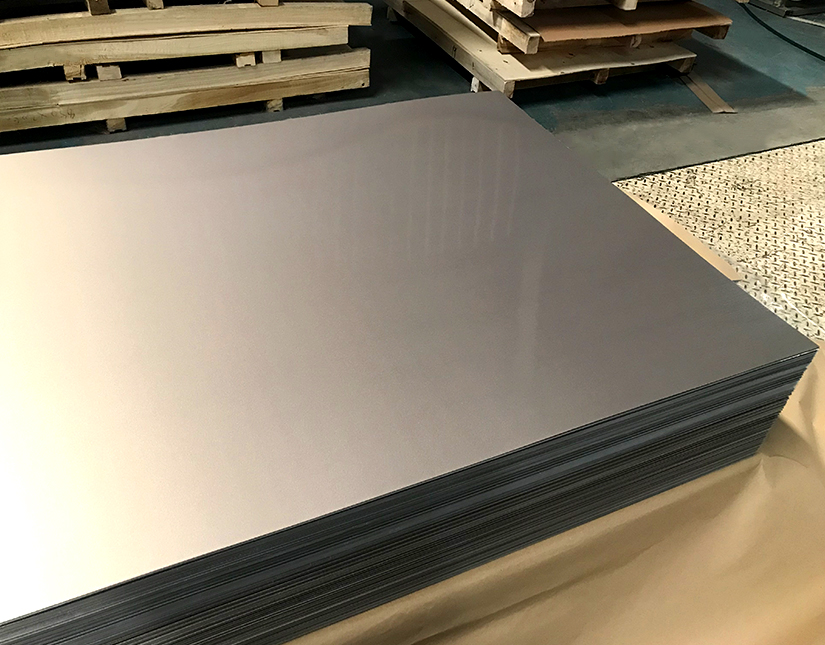
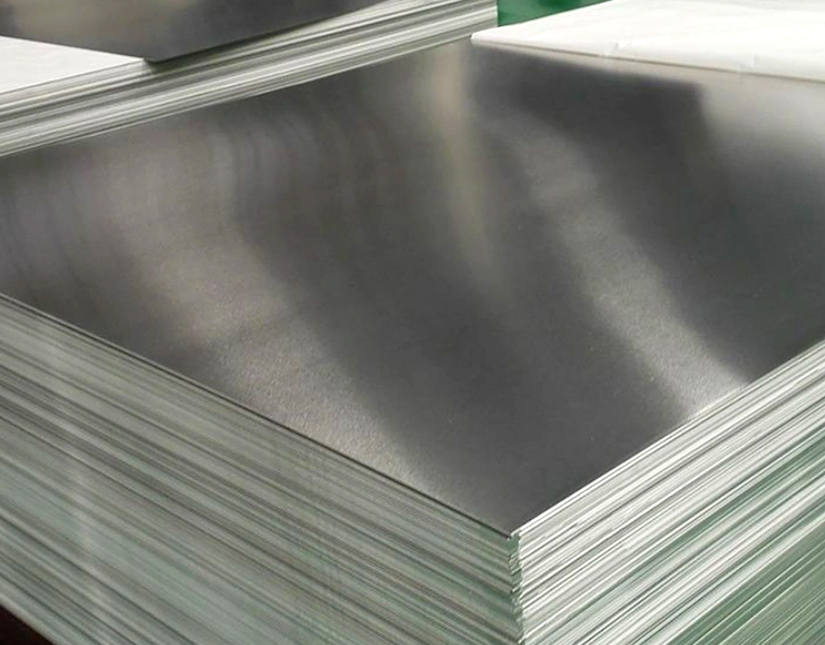
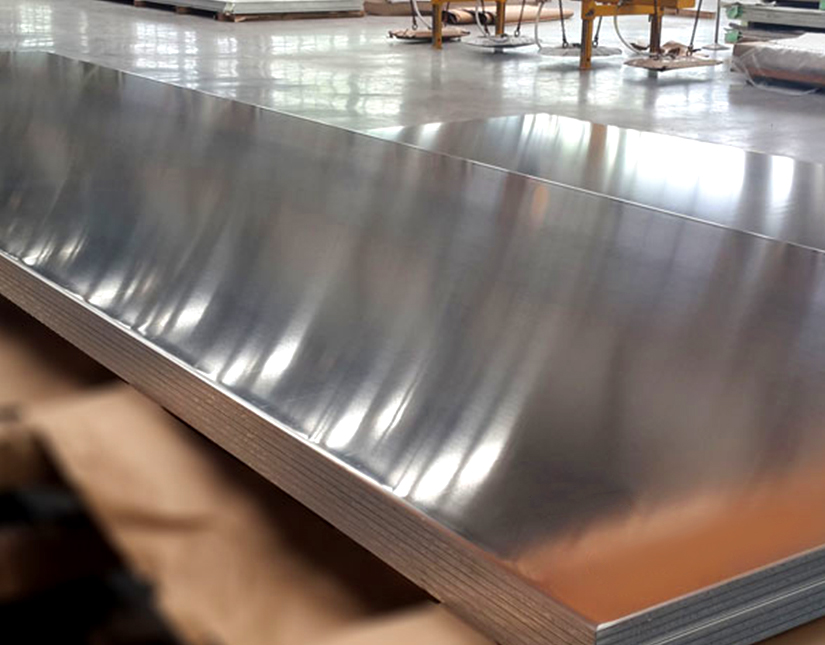
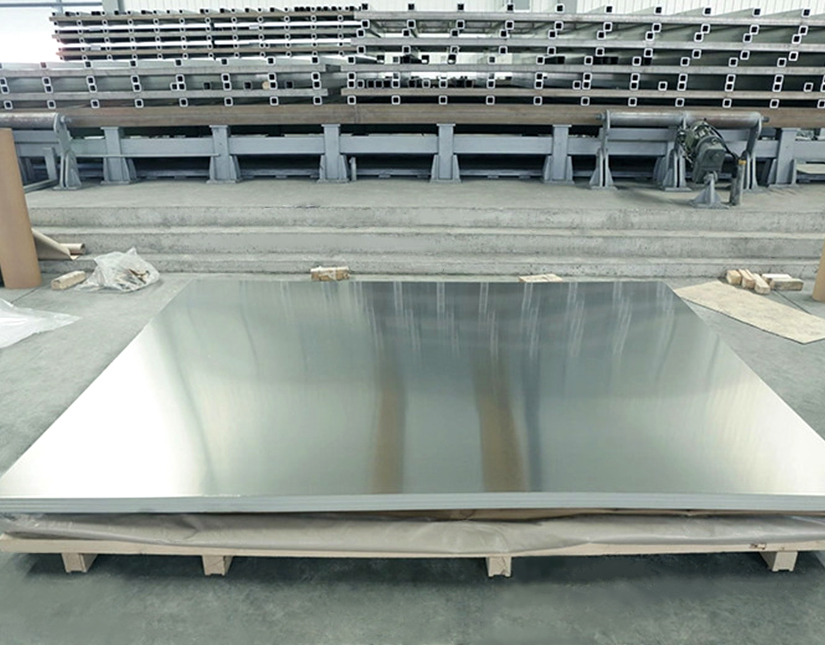
5083 mill finish aluminum is a high-strength, non-heat-treatable 5xxx-series alloy containing approximately 4.0–4.9% magnesium. It is widely used for marine aluminum sheet and plate because it combines excellent seawater corrosion resistance, good weldability and reliable mechanical performance. Its natural rolled surface is suitable for industrial fabrication without a decorative coating.
Henan Worthwill Industry Co., Ltd. supplies 5083 aluminum sheet and plate for shipbuilding, marine structures, transportation equipment, storage tanks and industrial fabrication. Commonly specified tempers include O, H111, H112, H116 and H321, subject to product form, applicable standards and production confirmation. Custom cutting, surface protection and export packing can be arranged according to project requirements.
Typical applications include boat hulls, ship decks, bulkheads, offshore components, welded tanks and selected cryogenic equipment. For marine projects, H116 or H321 may be required together with specified corrosion testing and inspection documentation. Send us your alloy standard, temper, thickness, width, length, order quantity and intended application for a detailed quotation.
5083 aluminum is a high-strength, non-heat-treatable aluminum-magnesium alloy widely used in shipbuilding, marine structures, transportation equipment and welded industrial assemblies. It combines good corrosion resistance with excellent weldability, making it a practical choice for fabricated components that must perform in demanding service environments.
Compared with general-purpose aluminum alloys such as 3003 and 5052, 5083 provides higher strength in many comparable conditions. Its magnesium content of 4.0–4.9% contributes to its mechanical performance, while the aluminum alloy's corrosion resistance makes it suitable for many seawater-exposed applications when the correct temper and material specification are selected.
Henan Worthwill Industry Co., Ltd. supplies 5083 mill finish aluminum sheet and plate for industrial buyers, fabricators and project contractors. Commonly requested tempers include O, H111, H112, H116 and H321. Final availability, dimensions and applicable certifications are confirmed according to each order.
5083 belongs to the 5xxx series of wrought aluminum alloys. Its principal alloying element is magnesium, with manganese and chromium added in controlled amounts. It is identified as AA 5083 or EN AW-5083, depending on the designation system used in the purchase specification.
Unlike heat-treatable alloys such as 6061, 5083 does not gain strength through T6-type precipitation-hardening treatment. Its strength depends on alloy composition, cold working and the specified temper. This is why selecting the correct 5083 temper is particularly important for marine fabrication and welded structures.
Mill finish refers to the natural surface produced by rolling. It has no decorative paint, anodized coating or mirror-polished finish. The surface may show normal rolling lines, slight tone variations or minor handling marks, depending on the agreed surface-quality requirements.
The following table shows the commonly specified chemical composition of EN AW-5083 under EN 573-3. Values are given as mass percentages. The applicable purchase standard governs final material acceptance.
| Element | Composition (wt. %) |
|---|---|
| Magnesium (Mg) | 4.0–4.9 |
| Manganese (Mn) | 0.40–1.00 |
| Chromium (Cr) | 0.05–0.25 |
| Silicon (Si) | 0.40 max. |
| Iron (Fe) | 0.40 max. |
| Copper (Cu) | 0.10 max. |
| Zinc (Zn) | 0.25 max. |
| Titanium (Ti) | 0.15 max. |
| Aluminum (Al) | Remainder |
5083 aluminum is most commonly specified as sheet or plate for fabricated industrial and marine components. Coil may also be considered for suitable thinner gauges and processing requirements, but not every plate temper or thickness is available in coil form.
| Product Form | Description | Typical Applications |
|---|---|---|
| 5083 Aluminum Sheet | Flat-rolled material supplied in standard or custom-cut sheet sizes | Marine panels, enclosures, vehicle components and fabricated parts |
| 5083 Aluminum Plate | Thicker flat-rolled material for structural fabrication and machining | Ship hulls, decks, tanks, structural panels and heavy-duty equipment |
| 5083 Aluminum Coil | Continuous rolled material in suitable gauges, subject to availability | Slitting, forming and selected continuous fabrication processes |
For aluminum sheet and plate orders, buyers should specify thickness, width, length, temper, flatness and surface requirements. Coil inquiries should additionally include the required inner diameter, coil weight and edge condition. Production feasibility depends on the combination of dimensions, temper and quantity.
The temper determines how 5083 aluminum behaves during bending, welding, machining and service. H111, H116 and H321 are frequently requested for marine and structural applications, but they are not automatically interchangeable.
| Temper | Characteristics | Selection Guidance |
|---|---|---|
| 5083-O | Annealed condition with high ductility and lower strength | Complex forming and applications requiring substantial deformation |
| 5083-H111 | Annealed material subjected to limited strain hardening during processing | Welded fabrication, formed parts and general marine-related components |
| 5083-H112 | As-fabricated temper with specified mechanical-property requirements | Industrial plate and structural fabrication where H112 is specified |
| 5083-H116 | Special strain-hardened temper intended for improved corrosion resistance in marine service | Seawater-exposed structural plate when the required marine standard and corrosion testing are satisfied |
| 5083-H321 | Strain-hardened and stabilized temper with marine corrosion-resistance requirements under applicable specifications | Shipbuilding and marine structures requiring H321 material and relevant inspection documents |
5083-H116 vs H321: Both tempers are used for marine-grade sheet and plate, but their manufacturing routes and temper requirements differ. For hull structures or frequent direct seawater exposure, the material should meet the specified marine standard, including applicable resistance-to-corrosion testing. An ordinary 5083 plate should not be represented as ASTM B928-compliant solely because it has the correct alloy number.
Mechanical-property limits depend on thickness, test direction and the specified standard. The following figures summarize selected longitudinal minimum requirements for 5083 sheet and plate under ASTM B928/B928M-15(2023)e1. They are not universal values for every 5083 product.
| Temper | Thickness Range | Minimum Tensile Strength | Minimum Yield Strength |
|---|---|---|---|
| H116 | 1.60–40.00 mm | 305 MPa | 215 MPa |
| H116 | Over 40.00–80.00 mm | 285 MPa | 200 MPa |
| H321 | Over 3.20–40.00 mm | 305 MPa | 215 MPa |
| H321 | Over 40.00–80.00 mm | 285 MPa | 200 MPa |
These values are reference specification limits for the stated longitudinal test conditions. Elongation requirements, transverse properties, exact thickness boundaries and other acceptance criteria must also be checked against the full applicable standard. The actual material certificate should identify the tested product and results.
5083 is valued for a combination of properties rather than for strength alone. The advantages below explain why it is often specified for welded marine and industrial structures.
For welded structures, engineers must account for possible strength reduction in the heat-affected zone. Higher base-metal strength does not necessarily mean the finished welded assembly will have the same mechanical properties as unwelded plate.
5083 marine grade aluminum plate is widely used for boat hulls, decks, bulkheads, superstructures and other fabricated vessel components. Its combination of relatively high strength, weldability and corrosion resistance supports weight-efficient marine construction.
Hull materials that require class approval or frequent direct seawater exposure must be ordered with the appropriate temper, marine material specification and inspection documentation. Ship classification approval is a project-specific requirement and should not be assumed from the alloy designation.
5083 aluminum plate is used in selected storage vessels, tanks and low-temperature equipment because of its weldability and useful cryogenic performance. Suitability depends on the stored medium, operating temperature, pressure, welding design and applicable engineering code.
Typical uses include truck bodies, trailers, rail transportation equipment, structural panels and heavy-duty fabricated assemblies. 5083 offers a useful balance of mechanical strength and lower weight where welded construction is required.
5083 is also used for industrial platforms, equipment housings, fabricated supports and offshore-related components where the specified corrosion resistance and structural properties are appropriate. Material selection should consider environmental exposure, fatigue loading and joint design.
5083 has good weldability with suitable MIG and TIG welding processes. Filler alloys such as 5183 or 5356 may be considered according to the welding procedure, required joint properties and service conditions. The filler choice should be verified for the actual application rather than selected solely from a general recommendation.
Because welding can reduce the strength of strain-hardened material near the weld, structural designs should use the appropriate welded-joint allowable properties and relevant fabrication standards.
5083 aluminum sheet can be bent and formed with suitable equipment, but formability varies with temper, thickness and rolling direction. O and H111 tempers are often considered when substantial forming is required, while higher-strength marine tempers may require larger bend radii or different fabrication methods.
Plates can be cut and machined into components according to project drawings. For precision machining or highly demanding dimensional stability, the selected plate product and residual-stress conditions should be reviewed before production.
A mill finish is an industrial rolled surface, not a decorative polished finish. Surface appearance can vary with rolling conditions, plate thickness and handling. Protective film, additional finishing or special surface requirements should be specified before the order is confirmed.
Although 5083 offers good corrosion resistance, long-term elevated-temperature exposure can increase the risk of sensitization and intergranular corrosion in high-magnesium aluminum alloys. Applications involving prolonged service near or above approximately 65°C require careful material and engineering review.
5083, 5052 and 6061 are commonly compared for marine-related and industrial fabrication. They have different strength-development mechanisms and are best suited to different project requirements.
| Alloy | Main Advantages | Typical Selection |
|---|---|---|
| 5083 | High strength for a non-heat-treatable alloy, weldability and marine corrosion resistance | Marine structural plate, welded tanks and heavy-duty fabrication |
| 5052 | Good corrosion resistance, formability and fabrication performance | Marine-related panels, enclosures, fuel tanks and formed sheet-metal parts |
| 6061 | Heat-treatable strength, good machining and broad structural applications | Machined components, frames, fixtures and selected structural parts |
When the priority is welded marine construction, seawater exposure or demanding non-heat-treatable plate applications.
For formed sheet-metal parts that need good corrosion resistance without the higher-strength requirements of 5083.
When machining, heat-treatable strength or particular structural design requirements are more important.
The right selection depends on the temper, thickness, weld condition and operating environment. Compare certified material properties and design allowables rather than relying on alloy names alone. More standard alloy options are available in Worthwill's mill finish aluminum product range.
5083 aluminum sheet and plate may be specified under ASTM B209/B209M for general flat-rolled products, ASTM B928/B928M for designated marine aluminum products, or applicable EN standards such as EN 573-3 and EN 485. Buyers should identify the exact required standard and edition before production.
For marine projects, material inspection may include chemical composition, tensile properties, dimensional tolerances, surface quality and corrosion-resistance requirements. ASTM B928 includes specific corrosion-resistance provisions for relevant H116 and H321 marine material. Additional classification-society approval or third-party inspection must be agreed separately when required.
Henan Worthwill Industry Co., Ltd. can discuss cut-to-length processing, plate cutting, surface protection and export packing according to the order. Our general minimum order quantity for 5083 mill finish aluminum is 3 metric tons. For non-sublimation aluminum products, the standard dispatch arrangement is within 30 days after receipt of the final balance payment, subject to the confirmed contract.
Pricing is confirmed according to alloy, temper, dimensions, quantity, production requirements, current aluminum market conditions and delivery terms. We do not publish a fixed FOB price because aluminum costs and project requirements change.
Is 5083 aluminum suitable for marine applications?
Yes. 5083 is widely used in marine construction. For hull structures and demanding seawater exposure, buyers should specify an appropriate temper, such as H116 or H321, together with the required marine standard and corrosion testing.
What is the difference between 5083-H111 and 5083-H116?
H111 is a lightly strain-hardened condition often used for welded fabrication. H116 is a special marine-related temper with additional corrosion-resistance requirements under applicable specifications. They should not be substituted without checking the project requirements.
Is 5083 aluminum heat treatable?
No. 5083 is a non-heat-treatable aluminum-magnesium alloy. Its strength is controlled through alloy composition and strain-hardening processes rather than T6-type precipitation hardening.
Can 5083 aluminum plate be welded?
Yes. 5083 has good weldability with appropriate welding procedures and filler materials. Structural designers must consider the properties of the welded joint and heat-affected zone.
Is 5083 stronger than 5052 aluminum?
5083 generally provides higher strength than 5052 in commonly compared conditions. However, the actual comparison depends on the temper, thickness and applicable standard.
What information is needed to quote 5083 aluminum plate?
Please provide the required alloy designation, temper, standard, thickness, width, length, quantity, application, inspection requirements and delivery destination. For marine projects, include the classification or corrosion-test requirements if applicable.
Looking for 5083 aluminum sheet or plate for shipbuilding, tanks, transportation equipment or industrial fabrication? Henan Worthwill Industry Co., Ltd. can review your material specification, dimensions and processing requirements to prepare a practical quotation.
Send your drawings or purchasing requirements to admin@worthwillal.com. Our team will confirm the suitable temper, applicable standard, product availability, inspection documents and delivery arrangement before order confirmation.
| Item | Specification |
|---|---|
| Product Name | 5083 Mill Finish Aluminum Sheet & Plate |
| Alloy | AA 5083 / EN AW-5083 / UNS A95083 |
| Alloy Series | 5xxx Aluminum-Magnesium Alloy |
| Main Alloying Element | Magnesium (Mg): 4.0–4.9% |
| Product Forms | Aluminum sheet, aluminum plate; coil subject to availability |
| Temper | O, H111, H112, H116, H321; subject to specification and supply confirmation |
| Thickness | Customized according to product form, temper and production feasibility |
| Width | Custom width, subject to production confirmation |
| Length | Standard or custom cut-to-length sheet and plate |
| Surface Finish | Natural mill finish, uncoated |
| Density | Approximately 2.66 g/cm³ |
| Heat Treatment | Non-heat-treatable alloy |
| Reference Standards | ASTM B209/B209M, ASTM B928/B928M, EN 573-3 and EN 485, as applicable and agreed |
| Processing | Cut-to-length, plate cutting, slitting for suitable gauges, surface protection and custom packing |
| Applications | Shipbuilding, marine structures, storage tanks, transportation equipment and welded industrial fabrication |
| Marine Requirements | H116/H321 corrosion testing and classification documents subject to the ordered specification and confirmation |
| Inspection | Mill test documentation and third-party inspection by agreement |
| Minimum Order Quantity | 3 metric tons |
| Dispatch Arrangement | Within 30 days after receipt of the final balance payment, subject to the confirmed contract |
| Packaging | Export packing with moisture and edge protection according to product form |
| Quotation | Based on alloy, temper, dimensions, quantity, market conditions and delivery terms |

Send us your product, alloy, size, quantity and application requirements for a detailed quotation.