Related Products



Position: Home > Products > Aluminum Strips
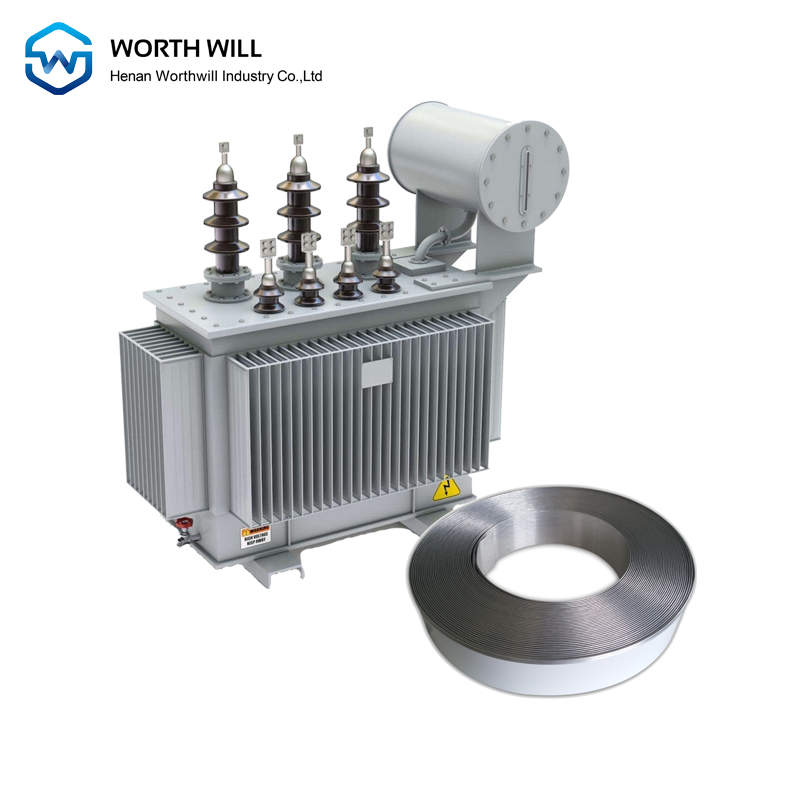

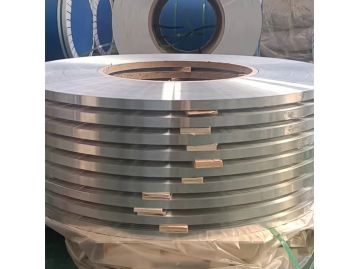
Aluminum transformer strip is precision-slit aluminum used as a winding conductor in electrical transformers. Compared with general-purpose aluminum strip, transformer winding material places greater emphasis on conductivity, soft winding performance, dimensional consistency, clean surface condition and controlled edge quality.
Henan Worthwill Industry Co., Ltd. supplies 1060 and 1070 aluminum transformer strip in O temper. The published supply range is 0.10–4.00 mm in thickness, 20–1500 mm in width and 405 mm or 505 mm coil inner diameter. Special dimensions and coil requirements should be confirmed according to the transformer design and winding equipment.
1060 and 1070 are high-purity 1xxx-series aluminum grades suited to applications where electrical conductivity and formability are more important than high structural strength. O temper provides the softness required for continuous winding and helps the strip conform to the winding geometry without unnecessary work-hardening during processing.
For an accurate quotation, send the required alloy, thickness, width, coil ID, quantity, transformer application, edge requirement, surface requirement, tolerance and any electrical or inspection specification. Worthwill can review the specification, production route, packing and delivery requirements before quotation.
Aluminum transformer strip is a narrow or wide precision-slit aluminum coil used as an electrical winding conductor in transformer production. It is also searched as aluminum strip for transformer winding, transformer winding aluminum strip, aluminum winding strip or, for thinner gauges, transformer aluminum foil.
The winding material should not be selected only by alloy number. Transformer manufacturers normally need to consider alloy, temper, thickness, width, edge condition, surface cleanliness, dimensional tolerance, coil inner diameter, coil build and the electrical requirements of the transformer design.
Worthwill supplies 1060 and 1070 aluminum transformer strip in O temper, with published thicknesses from 0.10 to 4.00 mm, widths from 20 to 1500 mm and coil inner diameters of 405 mm or 505 mm. Special requirements should be confirmed before production.
| Item | Worthwill Supply |
|---|---|
| Product | Aluminum Transformer Strip |
| Alloy | 1060, 1070 |
| Temper | O |
| Thickness | 0.10–4.00 mm |
| Width | 20–1500 mm |
| Coil ID | 405 mm, 505 mm |
| Product Form | Precision-slit aluminum coil / winding strip |
| Main Application | Electrical transformer winding |
Transformer aluminum strip is a flat aluminum conductor supplied in coil form and wound into the electrical winding of a transformer. Unlike ordinary strip used for stamping, trim or general fabrication, winding strip must run consistently through winding equipment while maintaining the specified width, thickness, surface and edge condition.
The material is commonly supplied in a soft annealed condition because transformer winding requires good flexibility and controlled forming behavior. For Worthwill transformer strip, the standard published temper is O.
For thinner gauges, buyers may also use the term transformer aluminum foil. In commercial sourcing, the words strip and foil can overlap, so the purchase order should always state the actual thickness, width, alloy, temper and coil dimensions rather than relying on the product name alone.
1060 and 1070 belong to the commercially pure 1xxx aluminum series. Their relatively high aluminum purity gives them useful electrical conductivity, good ductility and easy winding performance.
1060 aluminum transformer strip: offers a practical balance of conductivity, formability and availability. It is a common choice when the transformer specification calls for a high-purity aluminum winding conductor.
1070 aluminum transformer strip: has a higher nominal aluminum purity than 1060 under common alloy designation systems. It may be selected where the transformer design or purchasing specification specifically requires 1070 or places greater emphasis on conductor purity.
The two alloys should not automatically be substituted for each other. The required alloy, chemical composition, conductivity, mechanical properties and test method should follow the drawing, technical specification or purchase order.
| Alloy | General Position | Typical Selection Consideration |
|---|---|---|
| 1060 | High-purity 1xxx-series aluminum with good conductivity and ductility | Common transformer winding specification requiring a practical balance of conductivity and winding performance |
| 1070 | Higher nominal aluminum purity than 1060 | Projects that specifically require 1070 or place greater emphasis on conductor purity |
| Temper | O for Worthwill transformer strip | Soft condition for winding and forming |
| Final Selection | Follow transformer design and purchasing specification | Do not substitute grades only on price |
For general information on other strip grades and applications, see our Aluminum Strip page. More information about the base alloy is also available on our 1060 Mill Finish Aluminum page.
Thickness affects conductor cross-section, winding geometry and the electrical and thermal design of the transformer. Width affects the winding layout and must match both the transformer design and the winding equipment.
Worthwill's published transformer strip range is:
Thickness: 0.10–4.00 mm
Width: 20–1500 mm
These ranges do not mean every combination of thickness and width is automatically available. Final producibility should be confirmed according to alloy, width, thickness, coil size, quantity and technical tolerances.
When ordering, do not state only “1 mm transformer strip” or “500 mm wide aluminum strip.” A useful purchase specification should state nominal thickness, thickness tolerance, width, width tolerance and any special camber or flatness requirement.
Edge condition is especially important for transformer winding because the strip runs continuously through the winding process and operates close to insulation materials.
A rough, damaged or excessive-burr edge may interfere with winding, damage adjacent insulation or create inconsistent coil geometry. Buyers should therefore state the required edge condition and any maximum burr or edge tolerance on the inquiry.
Worthwill supplies precision-slit transformer strip and can review application-specific edge requirements before production. Any numerical burr limit or special edge profile should be written into the confirmed technical specification rather than assumed from a general product description.
Transformer winding strip should have a consistent mill-finish surface suitable for the customer's winding and insulation process. Surface oil, contamination, severe scratches, edge damage or poor coil build may create problems during production.
Surface requirements should therefore be agreed before production, especially when the customer has a defined cleanliness standard, insulation process or automated winding line.
Coil telescoping, loose winding and damaged edges can also affect feeding and handling. Coil packing and internal support should be selected according to strip width, coil weight and international transport conditions.
Worthwill's published transformer strip coil inner diameters are 405 mm and 505 mm.
Coil ID should be matched to the customer's decoiler or transformer winding equipment. Coil outside diameter and coil weight should also be considered because an otherwise correct strip may still be inconvenient to process if the coil dimensions exceed the winding line's handling capacity.
For this reason, buyers should provide not only alloy and dimensions but also the preferred coil ID, target coil weight or maximum coil outside diameter when these parameters are important.
Transformer winding is an electrical application, so conductivity is an important purchasing parameter. However, the required conductivity should not be quoted as a universal number without considering alloy, applicable standard, test method and transformer design.
If the project has a minimum conductivity, resistivity, chemical composition or mechanical-property requirement, include it in the inquiry and purchase specification. The required alloy standard and inspection document should also be stated before production.
This is more reliable than using a broad statement such as “IEC compliant” without identifying the actual standard and acceptance criteria.
Aluminum and copper are both used as transformer winding conductors, but they should not be treated as dimension-for-dimension substitutes.
Aluminum has much lower density than copper and can provide advantages in conductor weight and material economics. Copper, however, has higher electrical conductivity by volume. A transformer designed around aluminum therefore needs the appropriate conductor cross-section, winding geometry, thermal design and connection method.
The decision between aluminum and copper belongs to the transformer design stage. Transformer manufacturers should specify the conductor material and dimensions from their electrical and thermal calculations rather than replacing one material with the other only because of metal price.
Aluminum transformer strip is mainly used as winding conductor material in transformers designed for aluminum windings, including dry-type and oil-immersed transformer designs as well as power and distribution transformer applications.
The exact alloy, thickness, width and coil specification depend on the transformer capacity, voltage level, winding design, insulation system and production equipment.
Worthwill's 1060 and 1070 O-temper strip should therefore be ordered against the customer's actual transformer specification rather than selected only from a general application table.
For transformer strip orders, the inspection requirements can be agreed around the parameters that directly affect winding and electrical performance.
Typical control items include alloy and chemical composition, temper, thickness, width, dimensional tolerance, surface condition, edge condition, coil ID, coil build, coil weight and packing. Electrical conductivity or other project-specific inspection requirements should be stated when required by the purchasing specification.
If a mill test certificate, specific test method or third-party inspection is required, this should be confirmed before production.
Transformer aluminum strip should be protected against moisture, movement, edge damage and surface damage during storage and international transport.
Packing can be arranged according to coil dimensions and shipping requirements, using appropriate wrapping, edge protection, strapping, pallets or cases. Special packing, coil orientation and handling requirements should be stated before quotation.
For a useful quotation, please provide:
Alloy: 1060 or 1070
Temper: O
Thickness and tolerance
Width and tolerance
Coil ID: 405 mm or 505 mm
Required coil weight or maximum OD, if applicable
Edge / burr requirement
Surface and cleanliness requirement
Electrical or material standard
Quantity
Transformer application
Inspection document requirement
Destination
A drawing or technical specification is especially useful when the winding line has strict requirements for edge quality, tolerance, coil build or conductivity.
What aluminum alloys does Worthwill supply for transformer winding?
Worthwill's published transformer strip range includes 1060 and 1070 aluminum in O temper.
What thickness of aluminum transformer strip is available?
The published range is 0.10–4.00 mm. Final availability depends on the required alloy, width, tolerance, coil size and quantity.
What width is available?
The published width range is 20–1500 mm.
What coil inner diameter is available?
The standard published coil IDs are 405 mm and 505 mm.
Why is O temper used for transformer winding?
O temper is the soft annealed condition and provides the ductility and flexibility needed for continuous winding and forming.
What is the difference between 1060 and 1070 transformer strip?
Both are high-purity 1xxx-series aluminum grades. 1070 has a higher nominal aluminum purity than 1060 under common designation systems. The correct grade should follow the transformer design and purchasing specification.
Is transformer aluminum foil the same as transformer aluminum strip?
The terms sometimes overlap for thin winding conductors. To avoid confusion, specify the actual alloy, temper, thickness, width, coil ID and edge requirements on the purchase order.
Can aluminum transformer strip directly replace copper strip?
Not simply on the same dimensions. Aluminum and copper have different density and electrical conductivity, so conductor cross-section, thermal performance, connections and winding design must be considered by the transformer designer.
What edge information should I provide?
State any required burr limit, edge profile, width tolerance or other winding-related edge requirement. Special edge requirements should be confirmed before production.
What information should I send for a quotation?
Send the alloy, temper, thickness, width, tolerances, coil ID, coil weight or OD if required, edge and surface requirements, electrical specification, quantity, transformer application, destination and required inspection documents.
Henan Worthwill Industry Co., Ltd. supplies 1060 and 1070 O-temper aluminum transformer strip for electrical transformer winding. Send your technical specification, required dimensions and winding requirements, and our team will review the suitable production range, coil configuration, inspection requirements, packing and delivery terms before quotation.
| Item | Specification |
|---|---|
| Product Name | Aluminum Transformer Strip for Transformer Winding |
| Alternative Names | Aluminum Strip for Transformer Winding, Transformer Winding Aluminum Strip, Aluminum Winding Strip, Transformer Aluminum Foil |
| Alloy | 1060, 1070 |
| Temper | O |
| Thickness | 0.10–4.00 mm |
| Width | 20–1500 mm |
| Coil Inner Diameter | 405 mm, 505 mm |
| Product Form | Precision-slit aluminum coil / winding strip |
| Surface | Mill finish; surface cleanliness and appearance requirements to be confirmed according to the winding process |
| Edge Condition | Precision-slit edge; special burr, edge profile and tolerance requirements to be confirmed before production |
| Coil Weight / OD | According to winding equipment, handling requirement and confirmed order specification |
| Electrical Requirement | Conductivity, resistivity or other electrical requirements according to the agreed alloy standard and purchasing specification |
| Processing | Precision slitting, rewinding and application-specific coil preparation |
| Application | Electrical transformer winding, including aluminum-wound dry-type, oil-immersed, power and distribution transformer designs |
| Inspection | Alloy, temper, dimensions, tolerances, surface, edge, coil condition and project-specific electrical requirements as agreed |
| Packing | Moisture-resistant export packing with suitable edge and coil protection according to shipment requirements |
| Custom Specification | Special dimensions, tolerances, coil configuration and technical requirements subject to production confirmation |
Send us your product, alloy, size, quantity and application requirements for a detailed quotation.