Products

Products

Position: Home > Products > Aluminum Jacketing

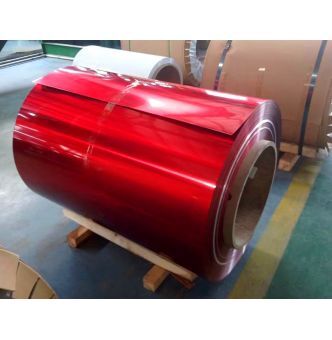
Aluminum Insulation Jacketing with Polysurlyn Moisture BarrierAluminum Insulation Jacketing with Polysurlyn Moisture BarrierAluminum Insulation Jacketing with Polysurlyn Moisture BarrierAluminum Insulation Jacketing with Polysurlyn Moisture BarrierAluminum Insulation Jacketing with Polysurlyn Moisture Barrier

Aluminum Insulation Jacketing with Polysurlyn Moisture Barrier

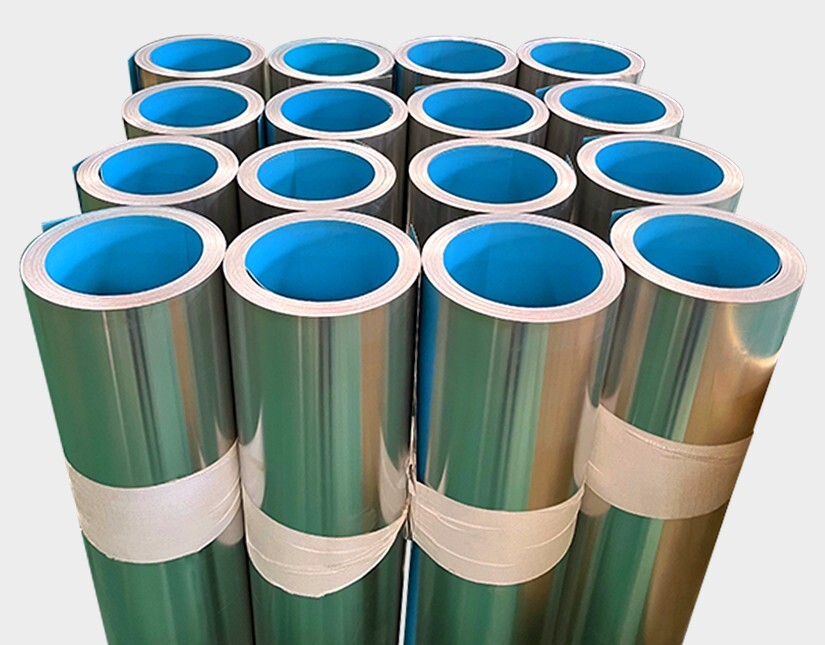
Aluminum insulation jacketing with a polysurlyn moisture barrier is a lightweight metal cladding used as the outer protective layer over insulated pipes, tanks, vessels and industrial equipment. It helps protect the insulation system from rain, sunlight, physical damage and demanding industrial environments.

A factory-laminated 3 mil, or 76 µm, polysurlyn moisture barrier is applied to the inner side of the aluminum. The barrier helps reduce direct contact between the aluminum jacketing, trapped moisture and the underlying metal surface, lowering the risk of pitting, crevice and galvanic corrosion.

Henan Worthwill Industry Co., Ltd. supplies smooth and stucco embossed aluminum jacketing in coil and sheet form. Typical alloys include 1050, 1060 and 3003, with custom thickness, width, roll size, surface finish and export packing available according to project requirements.


Introduction

Aluminum Insulation Jacketing with PSMB for Pipes, Tanks and Industrial Equipment


Aluminum insulation jacketing is installed as the outer protective covering of a mechanical insulation system. It does not replace the thermal insulation itself. Instead, it covers insulation materials such as mineral wool, glass wool, calcium silicate, foam glass or other project-approved materials and helps protect them from weather exposure, mechanical damage and surface contamination.


Worthwill aluminum jacketing is supplied with a factory-laminated polysurlyn moisture barrier on the inner surface. The product is used for insulated piping, storage tanks, vessels, ducts and process equipment in oil and gas facilities, petrochemical plants, power plants, refrigeration systems, HVAC installations and other industrial projects.


What Is a Polysurlyn Moisture Barrier?


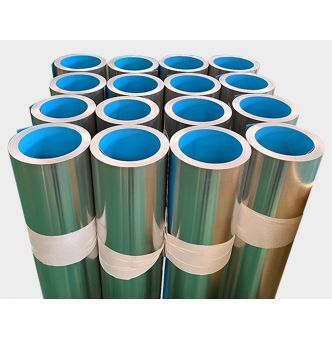
Polysurlyn Moisture Barrier, commonly shortened to PSMB, is a multilayer polymer film laminated to the side of the aluminum that faces the insulation. It is also described in the insulation industry as a polysurlyn moisture retarder or polyfilm moisture barrier.


A typical 3 mil PSMB consists of polyethylene and Surlyn polymer layers. The inner layer supports heat-lamination adhesion to the metal, the middle layer contributes strength, and the exposed polyethylene layer provides toughness and abrasion resistance during handling and installation.


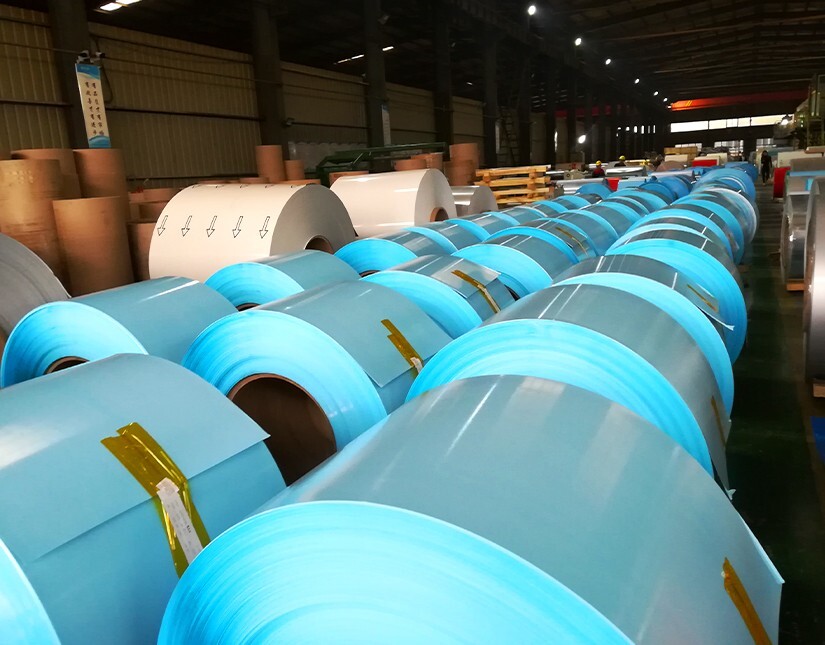
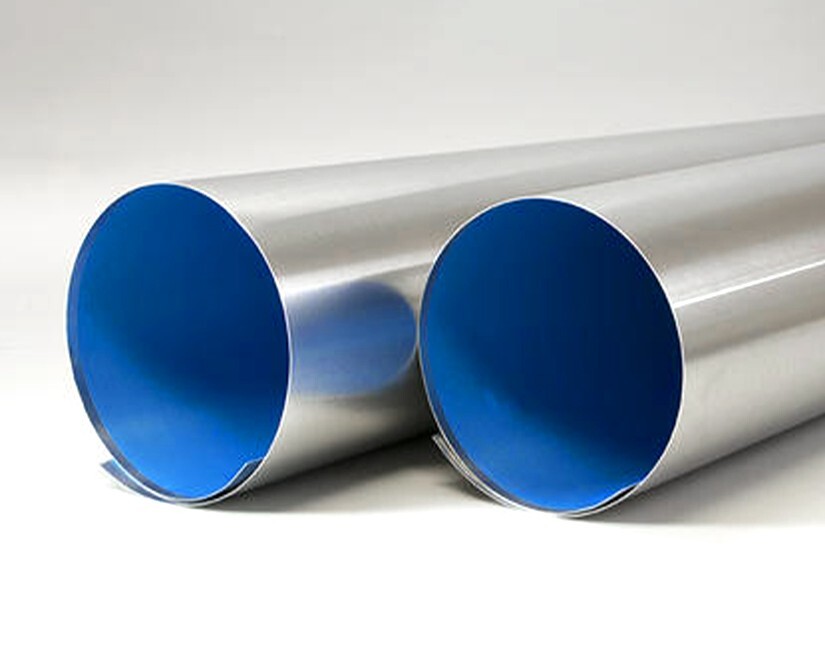
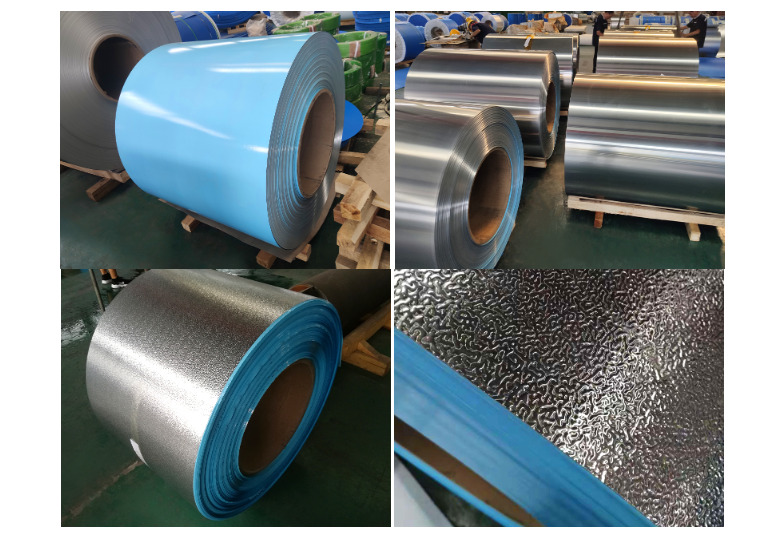
The standard light-blue appearance makes it easier for inspectors and installers to confirm that the moisture barrier is present on the back of the aluminum jacketing.


aluminum insulation jacketing coil with polysurlyn moisture barrier smooth aluminum roll jacketing for pipe insulation


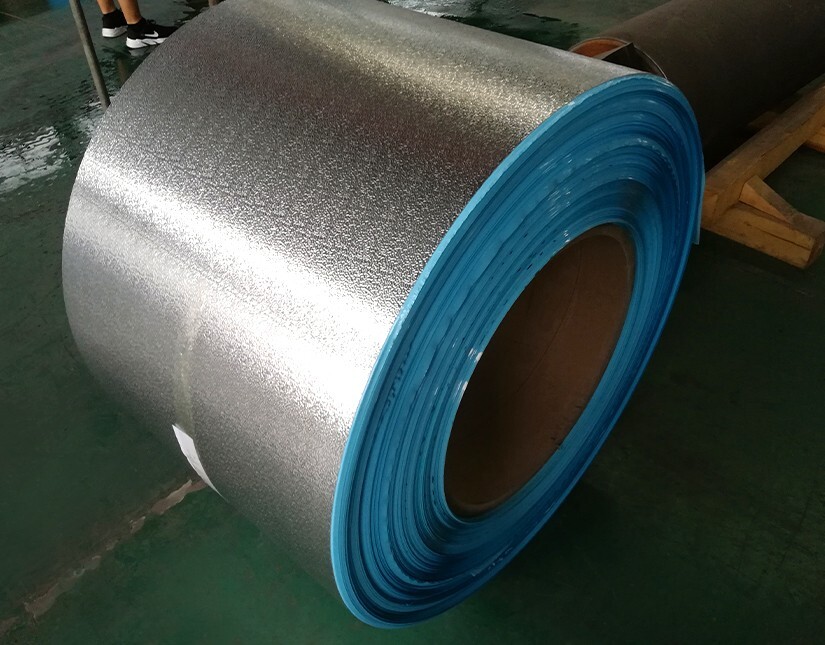
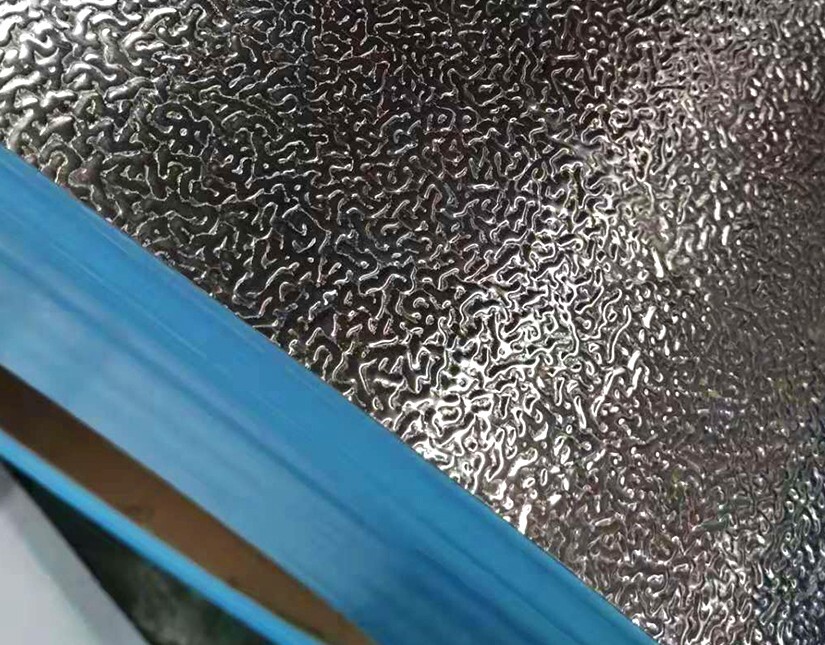
stucco embossed aluminum jacketing with polysurlyn barrier stucco embossed aluminum jacket cladding coil


Why Use Aluminum Jacketing with Polysurlyn?


Moisture Separation


Water may enter an insulation system through damaged joints, improperly sealed laps or installation defects. The polysurlyn layer helps separate moisture and corrosive contaminants from the inner aluminum surface and the underlying pipe, tank or equipment.


Reduced Corrosion Risk


PSMB helps reduce conditions that can contribute to pitting, crevice and galvanic corrosion. It should be treated as one part of a complete insulation protection system rather than as a substitute for correctly sealed joints, flashing, banding and installation workmanship.


Mechanical and Weather Protection


The aluminum outer layer helps protect insulation against sunlight, rain, surface impact, abrasion and routine maintenance activity. The required aluminum thickness should be selected according to the insulation diameter, insulation type, expected mechanical exposure and project specification.


Lightweight and Formable


Aluminum jacketing can be cut, rolled, bent and formed around straight pipes, elbows, tanks and equipment. Its relatively low weight makes transportation, handling and installation more convenient than many heavier metal cladding options.


Smooth and Stucco Embossed Aluminum Jacketing


Surface Finish Main Characteristics Typical Selection
Smooth / Plain Mill Finish Clean metallic appearance, good surface-water shedding and easy forming. Scratches and dents may be more visible. General pipe insulation, tanks and projects requiring a traditional smooth metal finish.
Stucco Embossed Finish Textured surface that helps conceal small scratches, reduces glare and provides a modest increase in rigidity. Industrial locations, exposed installation areas and projects where handling marks should be less visible.


Available Product Forms and Supply Range


Worthwill can supply aluminum insulation jacketing in coil, slit coil and cut-to-length sheet form according to the agreed order specification. Roll dimensions and coil weight should be selected according to the installation method, site handling conditions and required pipe or equipment sizes.


Typical supply options include 1050, 1060 and 3003 aluminum, H14 temper, aluminum thickness from 0.10 to 2.00 mm, width from 200 to 1200 mm and a light-blue 76 µm polysurlyn moisture barrier. Other alloy, temper, dimension or packing requirements can be reviewed before quotation.


How to Select the Aluminum Jacketing Thickness


Jacketing thickness should not be selected only according to price. Larger insulation diameters, non-rigid insulation, exposed outdoor locations and areas subject to impact generally require more careful thickness evaluation.


The buyer should provide the outer diameter of the completed insulation system, insulation type, pipe or equipment orientation, indoor or outdoor environment and applicable engineering specification. Where ASTM C1729, ASTM B209 or another standard is required, the exact edition, classification, test items and documentation scope should be stated before order confirmation.


Typical Applications of Aluminum Insulation Jacketing


Oil and Gas Pipelines: Protective outer jacketing for insulated process piping, transfer lines and related equipment.


Refineries and Petrochemical Plants: Insulated piping, vessels, tanks, columns and process equipment exposed to industrial operating conditions.


Power Plants: Steam-system piping, utility lines, tanks and insulated power-generation equipment.


HVAC and Refrigeration: Chilled-water lines, refrigeration piping, ducts and mechanical equipment where the insulation requires an external metal covering.


Chemical and General Industrial Systems: Pipe, tank, vessel and equipment insulation in factories, processing facilities and industrial utility systems.


The product can be considered for both hot and cold insulation systems, provided that the aluminum thickness, barrier construction, joint design, insulation material and service temperature are suitable for the project.


Production and Quality Control


Before production, Worthwill reviews the required alloy, temper, aluminum thickness, width, surface finish, moisture-barrier specification, roll size, quantity, packing and documentation requirements.


Quality inspection can include aluminum thickness and width, surface appearance, embossing condition, barrier coverage, lamination condition, roll dimensions, edge quality and packaging. Any project-specific test standard, inspection certificate or third-party inspection requirement should be agreed before production.


Installation Considerations


The polysurlyn side should face the insulation and underlying equipment. Longitudinal and circumferential laps should be arranged and sealed according to the insulation-system design so that water is not directed into the joints.


The PSMB layer helps reduce moisture contact but does not make an incorrectly installed insulation system completely waterproof. Suitable banding, seals, fasteners, flashing, joint sealant and drainage details remain necessary.


Information Required for an Accurate Quotation


Please provide the required alloy and temper, aluminum thickness, width, surface finish, polysurlyn thickness, roll or sheet dimensions, total quantity, application, insulation diameter, required standard, packing method and destination port.


For project orders, drawings, material specifications, inspection requirements and expected delivery schedule should also be provided. Complete information allows us to confirm material suitability and prepare a more accurate quotation.


Related Aluminum Insulation Products


Polykraft Insulation Embossed Aluminum is another moisture-retarder option for pipe and equipment insulation projects with different specification and budget requirements.


Stucco Embossed Aluminum Sheet and Coil is available for general insulation cladding, equipment covering and further fabrication applications.


Frequently Asked Questions


What is aluminum insulation jacketing with polysurlyn?


It is aluminum coil or sheet used as the protective outer covering of a pipe, tank, vessel or equipment insulation system. A polysurlyn moisture barrier is factory laminated to the inner side to help reduce moisture contact and corrosion risk.


Is aluminum jacketing itself a thermal insulation material?


No. Aluminum jacketing is the protective outer cladding. The thermal performance is mainly provided by the insulation material beneath it, such as mineral wool, glass wool, calcium silicate or foam glass.


What is the standard polysurlyn barrier thickness?


A commonly specified PSMB thickness is 3 mils, equal to approximately 76 µm. Other requirements should be confirmed before production.


Which is better, smooth or stucco embossed aluminum jacketing?


Smooth jacketing provides a clean appearance and sheds surface water well. Stucco embossed jacketing hides small scratches, reduces glare and offers slightly greater rigidity. The correct option depends on the project environment and appearance requirement.


Does the polysurlyn layer make the insulation system waterproof?


No barrier can compensate for open joints or poor installation. PSMB helps reduce moisture contact with the inner metal surface, but the complete system still requires properly designed laps, seals, banding, flashing and drainage.


What information should be provided when ordering?


Please provide alloy, temper, aluminum thickness, width, finish, barrier thickness, roll or sheet size, quantity, application, insulation diameter, required standard, packing and delivery destination.


Parameter
Item Specification
Product Name Aluminum Insulation Jacketing with Polysurlyn Moisture Barrier
Product Type Aluminum metal jacketing / cladding for mechanical insulation
Typical Alloys 1050, 1060, 3003; other alloys subject to order confirmation
Typical Temper H14 or according to the agreed alloy and project specification
Aluminum Thickness 0.10–2.00 mm
Width 200–1200 mm
Surface Finish Smooth / plain mill finish or stucco embossed finish
Moisture Barrier Factory-laminated polysurlyn moisture barrier
Typical Barrier Thickness 3 mils / approximately 76 µm
Barrier Appearance Light blue
Product Forms Coil, slit coil and cut-to-length sheet
Surface Protection Protective plastic film available according to order requirements
Typical Applications Insulated pipes, tanks, vessels, ducts and industrial equipment
Industries Oil and gas, petrochemical, power generation, HVAC, refrigeration, chemical processing and general industry
Production Capacity Approximately 2,000 metric tons per month
Applicable Standards ASTM B209, ASTM C1729 or other project requirements subject to specification review and final order confirmation
Customization Alloy, temper, thickness, width, roll size, sheet size, surface, barrier and export packing


The final alloy, temper, thickness, width, barrier specification, dimensional tolerance, applicable standard and inspection documentation should be confirmed in the purchase order before production.


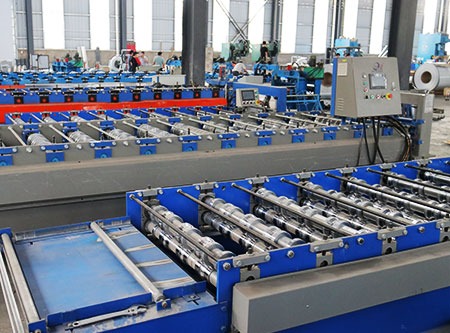
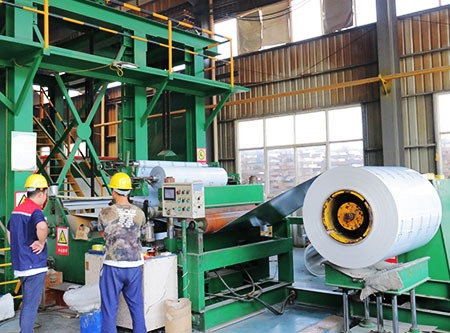
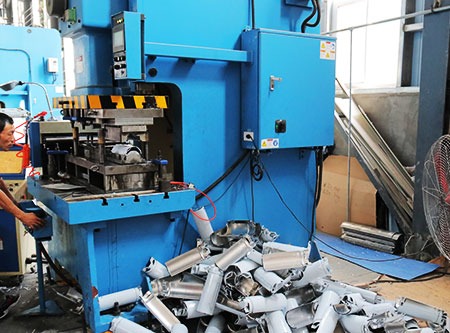
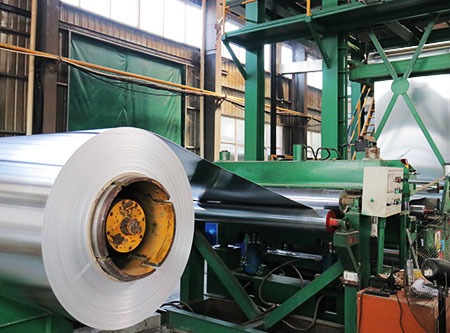
Our Factory
  • Aluminum Insulation Jacketing with Polysurlyn Moisture Barrier
  • Aluminum Insulation Jacketing with Polysurlyn Moisture Barrier
  • Aluminum Insulation Jacketing with Polysurlyn Moisture Barrier
  • Aluminum Insulation Jacketing with Polysurlyn Moisture Barrier
Inquiry

Send us your product, alloy, size, quantity and application requirements for a detailed quotation.
    • *

    • *

    • *