Related Products



Position: Home > Products > Coated Aluminum
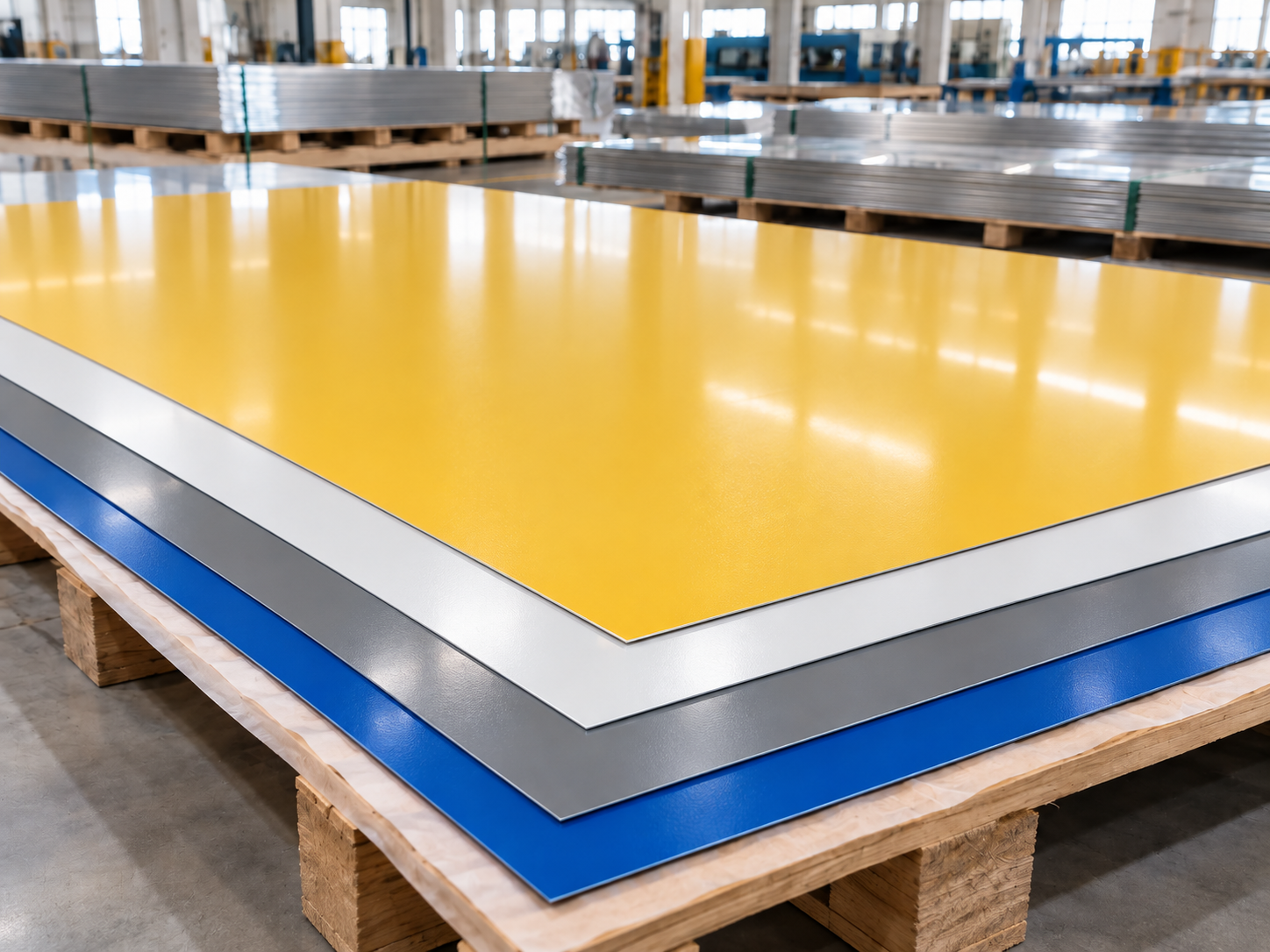
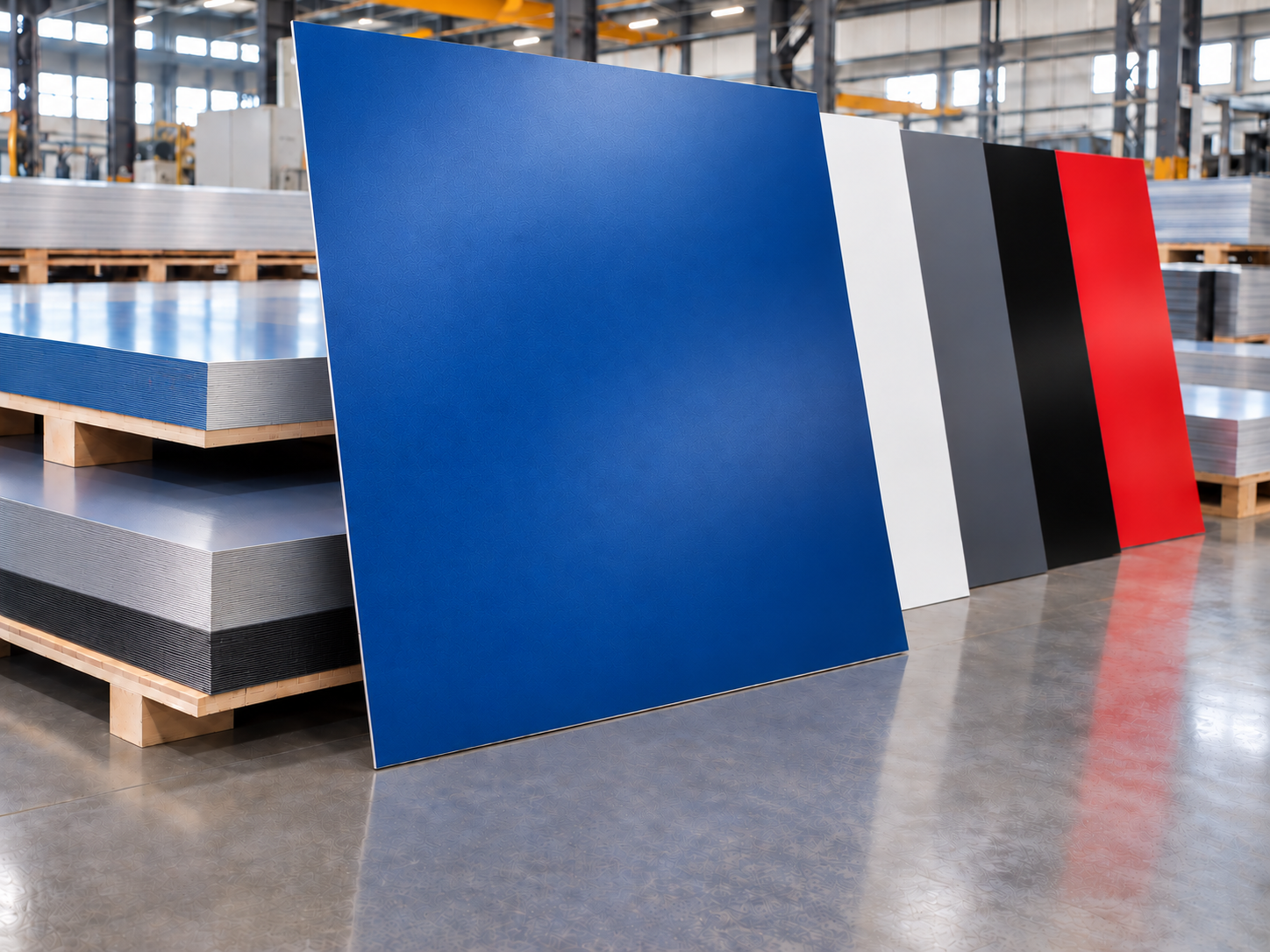
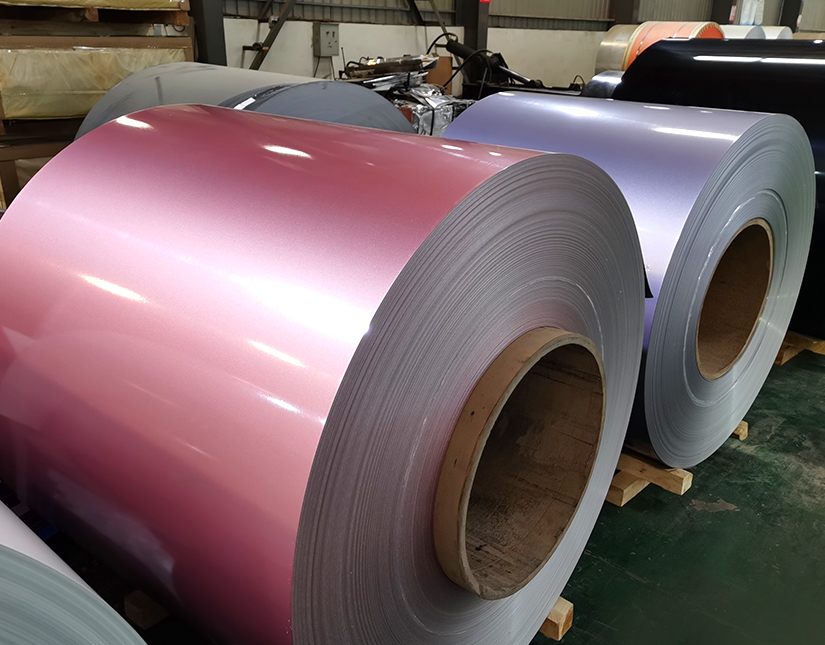


Worthwill supplies powder coated aluminum sheet, plate and project-specific coil for architectural, decorative and industrial fabrication. The aluminum surface is prepared, coated with dry powder and thermally cured to form a durable decorative and protective finish.
Common aluminum substrates include 1050, 1060, 1100, 3003, 3004, 3005, 3105, 5005 and 5052. RAL colors, custom matched colors, smooth, matte, satin, gloss, textured and metallic appearances can be discussed according to the final application.
For many polyester architectural powder systems, a coating film around 60–80 μm is a common reference range. The final film thickness, powder chemistry, pretreatment, curing conditions and performance requirements should follow the approved coating specification and powder supplier’s technical data.
Send us the product form, alloy, temper, dimensions, color, gloss or texture, coating side, application, service environment and quantity. For engineered or exterior projects, please also provide any required coating class, test method or project standard.
Powder coated aluminum combines an aluminum substrate with a thermally cured organic powder finish. Unlike conventional liquid prepainted aluminum, the coating material is supplied as dry powder, normally applied electrostatically to a properly prepared aluminum surface and then cured under controlled temperature conditions.
Worthwill supplies powder coated aluminum for architectural panels, ceilings, perforated panels, signage, equipment housings, decorative components and other fabricated aluminum products. Sheet and plate are the most common product forms for this finishing method. Coil requirements can also be discussed, but the available processing route, coil dimensions and downstream fabrication method should be confirmed before production.
The coating system should not be selected by color alone. Aluminum alloy and temper, pretreatment, powder chemistry, coating film thickness, curing conditions, gloss, texture, fabrication method and final exposure environment all affect the performance of the finished component.
| Item | Typical / Available Specification |
| Product Forms | Powder coated aluminum sheet, plate, cut panels and project-specific coil |
| Common Alloys | 1050, 1060, 1100, 3003, 3004, 3005, 3105, 5005, 5052 |
| Reference Thickness Range | 0.20–6.00 mm; actual range depends on product form and coating route |
| Reference Width | Up to 1800 mm, subject to final technical confirmation |
| Powder System | Polyester-based powder coating and project-specific exterior-durable systems |
| Typical Coating Film | Approximately 60–80 μm for many polyester architectural systems; final requirement according to approved specification |
| Colors | RAL colors or matching to an approved physical sample |
| Appearance | Smooth, matte, satin, gloss, textured and selected metallic effects |
| Coating Side | One-side or two-side coating according to project requirement |
| Processing | Cutting, slitting and selected fabrication according to confirmed specification |
| Inspection | Appearance, dimensions, film thickness, color, gloss, adhesion and agreed performance tests |
| Packing | Moisture-resistant export packing with surface and edge protection |
These values are reference ranges rather than universal limits for every powder coated aluminum order. Final availability depends on alloy, temper, material thickness, dimensions, powder system, required finish, coating process and order quantity.
Powder coating is a finishing process in which finely divided dry coating powder is deposited onto a prepared metal surface, commonly by electrostatic spray. The coated aluminum is then heated so the powder flows and cures into a continuous film.
For aluminum, surface preparation is especially important. Cleaning and an appropriate pretreatment system help create a stable surface for coating adhesion and corrosion protection. The exact pretreatment should be selected according to the powder system, service environment and project specification.
Polyester powder coatings are widely used for architectural and general exterior aluminum because they can provide useful weatherability together with a broad range of colors, gloss levels and textures. Higher-durability powder systems can be specified where a project requires improved exterior weathering performance, but the required performance class should be confirmed before coating rather than assumed from the term “powder coated.”
Powder coating and conventional color coated aluminum are both organic coating systems, but the application route is different.
Powder coating normally uses dry powder applied electrostatically and cured after application. It is particularly suitable for cut sheets, panels, profiles and fabricated aluminum components where a relatively robust decorative finish, texture or special appearance is required.
PE, HDP and PVDF color coated aluminum normally use liquid coatings applied by roller coating on a continuous coil coating line before the aluminum is fabricated into the final component. This route is well suited to high-volume coil processing, roll forming, roofing, gutters, ceilings and other applications that require continuously prepainted coil.
For buyers requiring continuous prepainted coil for roll forming, see our Color Coated Aluminum Coil & Sheet, PE Coated Aluminum Coil & Sheet and PVDF Coated Aluminum Coil & Sheet pages.
Powder coating creates an organic coating film on the aluminum surface, while anodizing creates a controlled oxide layer through an electrochemical process.
Powder coating offers a particularly broad choice of solid colors, gloss levels, textures and decorative effects. Anodized aluminum retains more of the metallic character of the substrate and is often selected when a metallic appearance, oxide finish or specific anodized surface is required.
Neither process should be described as universally better. The practical choice depends on the required appearance, fabrication route, exposure environment, maintenance requirements and applicable project specification. See our Anodized Aluminum Sheet & Coil page for more information about anodized finishes.
The exact pretreatment and curing schedule should follow the selected powder system rather than a single fixed temperature or time for every product.
Powder coating provides considerable design flexibility. Standard RAL references can be used for common white, black, gray, blue, red, green, brown and other solid colors. Custom color matching can also be discussed using an approved physical sample.
Surface appearance can include smooth matte, satin, medium gloss, high gloss, fine texture, structured texture and selected metallic effects, depending on the selected powder system.
For color-critical architectural projects, a physical coated sample should be approved before bulk production. Screen images and printed color charts are useful for preliminary selection but should not replace the approved production sample when color and gloss consistency are important.
Sheet and plate are widely used because the material can be cut or fabricated to the required component size before powder coating. Typical applications include facade panels, ceiling panels, perforated screens, equipment covers, signage panels, decorative sheets and industrial housings.
Alloys such as 1100 and 3003 are commonly considered where good formability is important. 5005 and 5052 can be considered where higher strength or different fabrication and corrosion-performance requirements are needed. The final alloy and temper should be selected according to the required strength, bend radius, forming method and service environment.
Powder coated aluminum coil can be discussed for suitable projects, but buyers should distinguish it from conventional PE, HDP or PVDF prepainted coil.
Powder coating is more commonly associated with sheet, panel, profile and fabricated components, while conventional liquid coil coating is optimized for continuous prepainted coil production. For a coil requirement, provide the required alloy, temper, thickness, width, coil ID, coil weight, coating system and downstream processing method so the production route can be reviewed before quotation.
For building-envelope projects, powder coating performance should be matched to the actual UV exposure, humidity, pollution, coastal conditions and required project standard.
Powder coating performance depends on the complete coating system rather than film thickness alone. Depending on the purchase specification, inspection can include aluminum alloy and dimensions, surface appearance, dry film thickness, color, gloss, cross-cut adhesion, hardness, impact or bend performance, corrosion testing and other agreed requirements.
Where an architectural project specifies AAMA, Qualicoat, EN or another coating performance standard, the exact class and acceptance criteria should be stated before production. Not every polyester powder, color or coating system automatically complies with the same exterior durability class.
For demanding or repeat projects, the approved powder system, color reference, gloss level, film thickness and test requirements should be retained as part of the purchasing specification.
Henan Worthwill Industry Co., Ltd. supplies aluminum materials for architectural, decorative and industrial manufacturing. Our product range covers mill finish aluminum, color coated aluminum and multiple surface-finished aluminum products, allowing the base aluminum specification and surface requirement to be reviewed together.
To obtain an accurate quotation, please provide:
Providing the final application is particularly useful. A powder coated facade panel, indoor ceiling panel and industrial enclosure may use similar colors but require different pretreatment, powder durability and inspection requirements.
Powder coated aluminum is aluminum finished with a dry organic coating powder that is applied to a prepared surface and then thermally cured into a continuous coating film. It is widely used where a colored, decorative or protective finish is required.
Around 60–80 μm is a common reference range for many polyester architectural powder coating systems. However, the correct film thickness depends on the selected powder, substrate, application and project specification, so the final requirement should follow the approved coating technical data.
No. Powder coating normally uses dry powder applied electrostatically and then cured. PE, HDP and PVDF prepainted aluminum usually use liquid coatings applied on a continuous coil coating line. They can serve overlapping applications but use different production processes.
Coil requirements can be discussed, but the processing route should be confirmed before quotation. Powder coating is more commonly used on sheets, panels, profiles and fabricated components, while PE, HDP and PVDF liquid coil coating is normally more suitable for continuous prepainted coil.
RAL colors and custom matched colors can be discussed. Depending on the selected powder system, finishes can include smooth matte, satin, gloss, textured and selected metallic effects. A physical coated sample is recommended for color-critical projects.
Limited forming may be possible with a suitable coating system and bend design, but tight bending after coating can damage or crack the coating. For fabricated panels and components, cutting, punching and bending are therefore often completed before powder coating. The required fabrication sequence should be confirmed before production.
Send Worthwill your aluminum alloy, temper, dimensions, color, gloss or texture, coating requirement, application, quantity and destination. For exterior or engineered projects, include the required coating performance standard and service environment where possible.
We can review the base aluminum and coating requirements together and provide a practical specification, sample plan and quotation.
| Item | Typical / Available Specification |
| Product Name | Powder Coated Aluminum Sheet & Coil |
| Alternative Names | Powder Coated Aluminium Sheet, Powder Coated Aluminum Plate, Powder Coated Aluminum Panel |
| Product Forms | Sheet, plate, cut panels and project-specific coil |
| Common Alloys | 1050, 1060, 1100, 3003, 3004, 3005, 3105, 5005, 5052; other grades subject to confirmation |
| Temper | O, H12, H14, H16, H18, H22, H24, H26, H28, H32, H34, H36 and other alloy-appropriate tempers subject to confirmation |
| Substrate Thickness | Reference range 0.20–6.00 mm; actual availability depends on product form and coating route |
| Width | Up to 1800 mm, subject to final technical confirmation |
| Sheet Length | Custom cut-to-length according to confirmed specification |
| Powder System | Polyester-based powder coating and project-specific exterior-durable systems |
| Typical Coating Film | Approximately 60–80 μm for many polyester architectural systems; final film thickness according to approved coating specification |
| Color | RAL colors or custom matching to an approved physical sample |
| Gloss | Matte, satin, medium gloss, high gloss or project-specific requirement |
| Surface Finish | Smooth, fine texture, structured texture and selected metallic effects according to powder system |
| Coating Side | One-side or two-side coating according to project requirement |
| Pretreatment | Appropriate aluminum cleaning and pretreatment according to the selected powder system and project specification |
| Curing | According to powder supplier technical data and validated production conditions |
| Processing | Cutting, slitting and selected fabrication according to confirmed specification |
| Coil Requirement | Coil ID, coil weight, width and downstream processing method should be confirmed before quotation |
| Inspection | Appearance, dimensions, dry film thickness, color, gloss, adhesion and other agreed tests |
| Project Standards | AAMA, Qualicoat, EN or other requirements when specifically agreed with a suitable qualified coating system |
| Sample / Inspection | Samples and agreed third-party inspection can be arranged according to project requirements |
| Packing | Moisture-resistant export packing with surface protection, edge protection, strapping and suitable pallet support |
All specifications are subject to final technical confirmation. Production capability may vary with alloy, temper, thickness, dimensions, powder chemistry, coating film, surface appearance, fabrication requirements and order quantity.
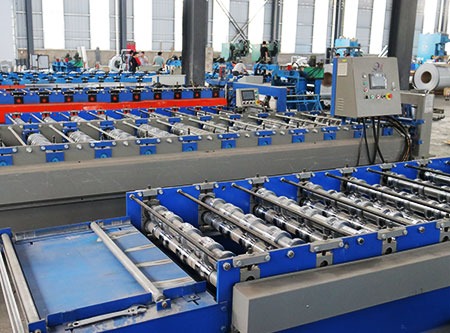
Send us your product, alloy, size, quantity and application requirements for a detailed quotation.

