Related Products



Position: Home > Products > Mill Finish Aluminum
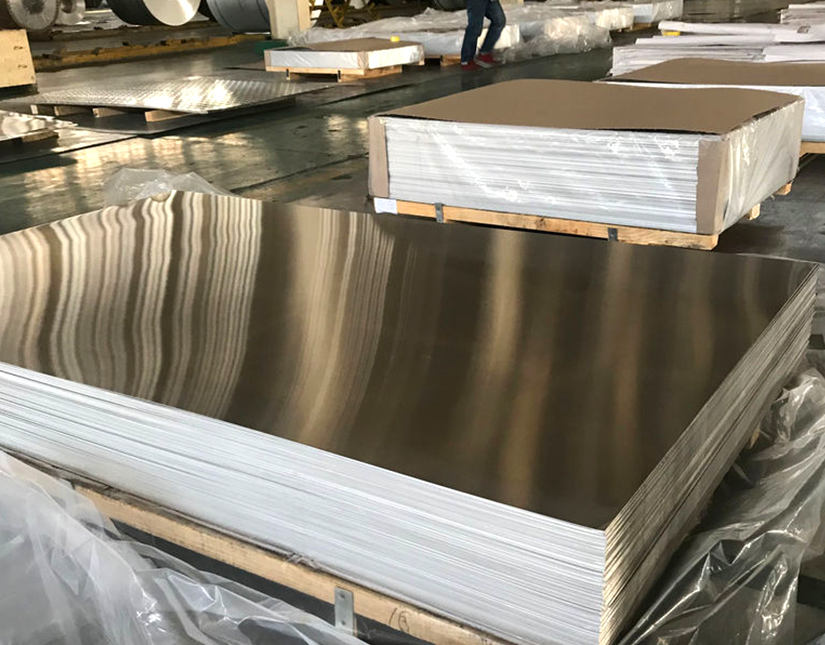
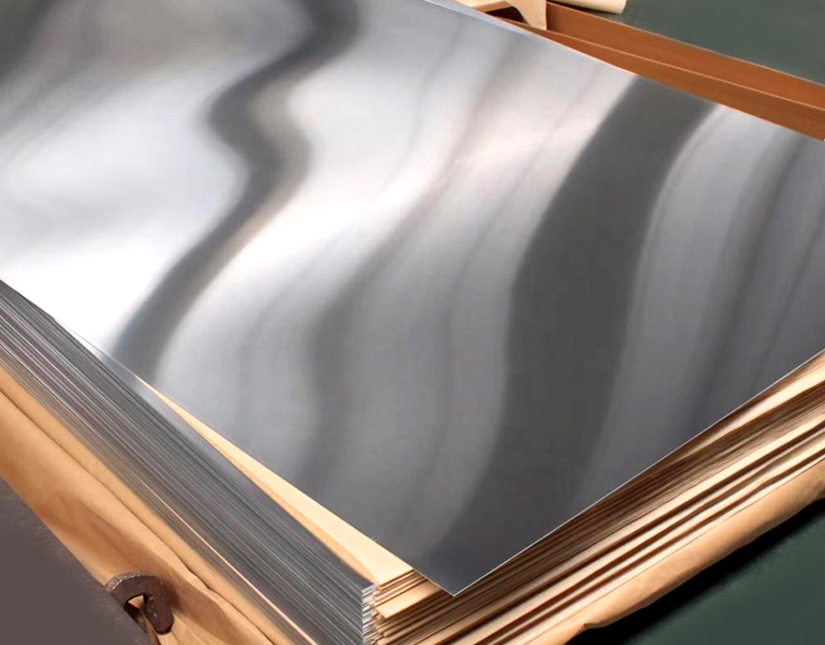
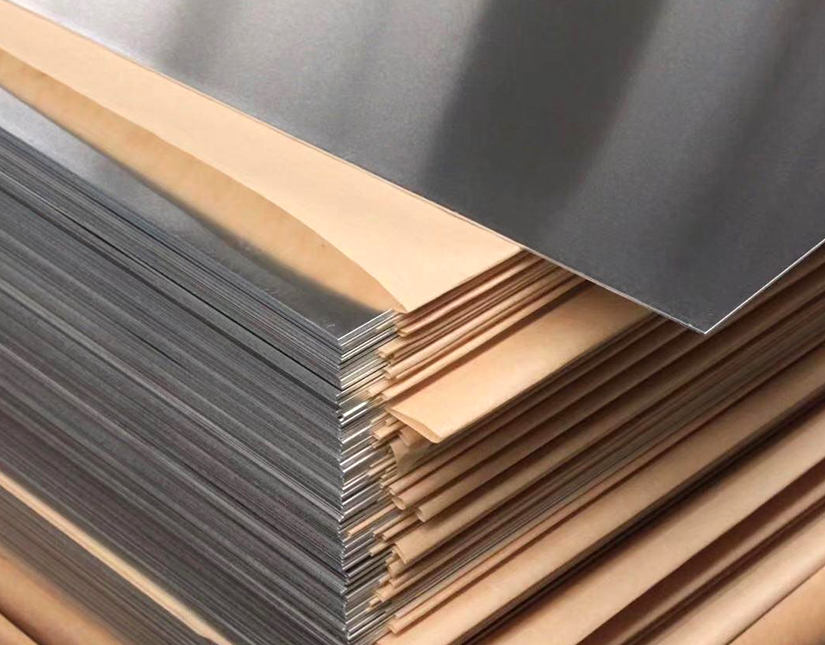
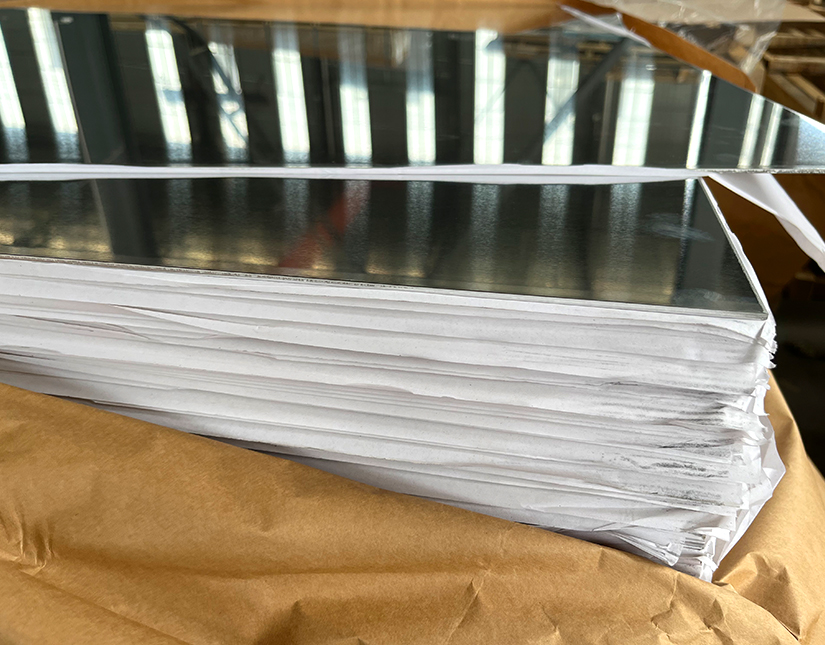
6063 is a heat-treatable aluminum-magnesium-silicon alloy known for good corrosion resistance, a clean surface appearance and a strong response to anodizing. While 6063 is widely used for architectural extrusions, it is also specified for selected sheet, plate and fabricated aluminum components where appearance and moderate strength are important.
Henan Worthwill Industry Co., Ltd. supplies 6063 mill finish aluminum sheet, plate and coil for industrial and architectural fabrication. The current product catalog lists O, T4, T5, T6 and F tempers, with an overall dimensional range of 0.3–500 mm in thickness, 500–2200 mm in width and 500–11000 mm in length. Actual availability depends on product form, temper and size.
Our 6063 aluminum products can be supplied for cutting, machining, fabrication and further surface treatment, including anodizing or coating after suitable preparation. Send your required alloy standard, temper, dimensions, quantity and application for a quotation and production feasibility check.
6063 aluminum is a heat-treatable 6xxx-series alloy containing magnesium and silicon as its principal alloying elements. It is widely recognized for good corrosion resistance, attractive surface appearance and excellent extrudability. For flat products, 6063 is selected when the application calls for a specific combination of surface quality, fabrication performance and moderate strength.
Worthwill supplies 6063 mill finish aluminum sheet, plate and coil for buyers who need material for cutting, machining, forming or further finishing. Because 6063 is more commonly associated with extruded products, the required flat-product specification, temper and dimensional availability should be confirmed before ordering.
Mill finish aluminum retains its natural as-produced metallic surface. It has not been painted, anodized or given a decorative coating. On rolled sheet and plate, the surface may show fine rolling lines, slight color variations or minor handling marks within the agreed industrial surface requirements.
A mill finish should not be confused with a polished, brushed or anodized finish. If the finished component requires a consistent decorative appearance, buyers should specify the surface acceptance criteria and any protective-film requirements before production.
6063 provides good general atmospheric corrosion resistance, responds well to suitable anodizing processes and can be fabricated using conventional aluminum-working methods. Its lower alloying content compared with 6061 also contributes to its established use in appearance-sensitive architectural extrusions.
However, the advantages of 6063 extrusion should not automatically be treated as the properties of 6063 sheet or plate. Flat-product performance depends on the production route, temper, thickness and applicable material standard.
6063 aluminum can be requested in different flat-product forms. Sheet and coil are suited to thinner material and continuous fabrication, while plate is generally selected for thicker parts or machining stock. Availability must be checked against the required temper and final dimensions.
| Product Form | Supply Description | Typical Processing |
|---|---|---|
| 6063 Aluminum Sheet | Flat sheet or cut-to-length sheet | Cutting, bending, fabrication and surface finishing |
| 6063 Aluminum Plate | Thicker flat material in specified dimensions | Machining, drilling, milling and fabricated components |
| 6063 Aluminum Coil | Coiled flat material, subject to production availability | Slitting, leveling and cut-to-length processing |
The current Worthwill catalog lists an overall thickness range of 0.3–500 mm, width of 500–2200 mm and length of 500–11000 mm. These figures describe the published dimensional envelope, not a guarantee that every thickness, width, length or temper combination is available in every product form. Coil supply, unusually thick plate and special sizes require individual confirmation.
When placing an inquiry, specify whether the material is required as sheet, plate or coil. For coil, include the required inner diameter and coil weight. For sheet or plate, include length, flatness and dimensional tolerance requirements.
6063 is a heat-treatable aluminum alloy. Temper affects strength, hardness, ductility and suitability for fabrication. The correct choice depends on the finished part, forming requirements and applicable product standard.
| Temper | General Characteristics | Selection Guidance |
|---|---|---|
| 6063-O | Annealed condition with relatively low strength and high ductility | For applications requiring greater forming capability |
| 6063-T4 | Solution heat-treated and naturally aged | For a balance of formability and moderate mechanical performance |
| 6063-T5 | Cooled from an elevated-temperature shaping process and artificially aged | Common in extrusions; confirm availability and the applicable standard for flat products |
| 6063-T6 | Solution heat-treated and artificially aged for higher strength | For applications requiring greater strength, subject to flat-product specifications |
| 6063-F | As-fabricated condition without specified mechanical-property limits | For orders where the fabrication condition is acceptable and properties are separately agreed |
Important: 6063-T5 and 6063-T6 are frequently referenced in extrusion specifications, but strength values from extruded profiles should not be used as guaranteed values for rolled sheet or plate. Request mechanical-property requirements that match the selected material form, thickness and standard.
6063 belongs to the aluminum-magnesium-silicon family. Magnesium and silicon contribute to its heat-treatable characteristics, while controlled levels of other elements help maintain the desired combination of processing performance and surface quality.
The commonly referenced composition range includes 0.45–0.90% magnesium and 0.20–0.60% silicon, with aluminum making up the balance. A complete reference composition table is provided in the Parameter section below.
6063 has good corrosion resistance in many normal atmospheric environments and is suitable for conventional aluminum fabrication methods. Welding is possible using appropriate procedures, although heat input can reduce strength in the heat-affected zone of heat-treated material.
Mechanical properties vary with temper, thickness and manufacturing process. For load-bearing applications, buyers should use the certified values for the actual product rather than general alloy-property figures taken from extrusion data sheets.
One reason 6063 is widely specified in architectural products is its good response to anodizing. With suitable alloy quality, surface preparation and process control, it can produce an attractive anodized finish. The final appearance still depends on the initial surface condition and the anodizing process.
For mill finish sheet and plate, the surface is not automatically decorative-grade or ready for direct installation as a visible architectural finish. Rolling marks, minor color variations and normal handling traces may remain.
If anodizing is planned, confirm the required appearance, anodized layer specification, color uniformity and acceptable surface defects before purchasing. A production sample is recommended when the final appearance is critical.
Buyers looking for finished decorative material can also review Worthwill's anodized aluminum sheet and coil or brushed aluminum sheet and coil products. Availability of 6063 in a specific finished product should be confirmed separately.
6063 is most familiar as an architectural extrusion alloy, but selected flat products are also used where appearance, corrosion resistance and suitable mechanical performance are required. Application suitability should be assessed for the actual material form and service conditions.
6063 sheet may be specified for selected decorative panels, interior trim, covers and fabricated architectural components, particularly when subsequent surface finishing is planned. For external cladding systems, the alloy, panel thickness, coating and structural design must be checked against project requirements. Buyers can also explore our aluminum facade cladding panel product range.
Flat 6063 aluminum can be considered for equipment covers, electrical enclosures, machine guards and protective panels when its temper and mechanical properties meet the design requirements. Sheet thickness, forming radius and surface condition should be specified before fabrication.
6063 plate can be used for selected brackets, mounting components, spacers and other machined parts where the specified strength is sufficient. For more demanding structural or machining applications, 6061 aluminum plate is often a more suitable starting point.
Window and door frames, curtain-wall framing, solar panel frames and many LED heat sinks are well-known applications of extruded 6063 aluminum. These products use a different manufacturing route from rolled sheet and plate. Buyers requesting profiles or sections should provide extrusion drawings and the relevant extrusion standard rather than ordering them as mill finish sheet.
6063, 6061 and 5052 are all useful aluminum alloys, but they are not direct substitutes. The best choice depends on the required strength, fabrication method, corrosion exposure and surface finish.
| Property | 6063 Aluminum | 6061 Aluminum | 5052 Aluminum |
|---|---|---|---|
| Alloy Family | Al-Mg-Si, heat-treatable | Al-Mg-Si, heat-treatable | Al-Mg, non-heat-treatable |
| Strength | Moderate, depending on temper | Generally higher in comparable heat-treated conditions | Moderate, depending on H temper |
| Forming and Processing | Excellent extrusion characteristics; flat-product forming depends on temper | Good machining and general fabrication performance | Good sheet-metal forming and bending performance |
| Surface Finishing | Well known for attractive anodizing results | Can be anodized or coated | Suitable for coating and many finishing processes |
| Common Selection | Appearance-sensitive parts and architectural extrusions | Structural parts and machined components | Formed sheet parts and corrosion-resistant fabrication |
Choose 6063 when appearance and anodizing response are important and the specified strength is sufficient. Choose 6061 aluminum sheet or plate when higher mechanical strength or machining performance is required. Choose 5052 aluminum sheet or coil for many formed sheet-metal parts and applications requiring good corrosion resistance.
The final comparison should use the relevant product form and temper. For example, a 6063-T5 extrusion cannot be compared directly with a 6061-T6 rolled plate without accounting for the different product standards and mechanical-property requirements.
The governing material standard should be selected according to the product form. ASTM B209/B209M addresses specified aluminum sheet and plate products, while ASTM B221/B221M covers extruded bars, rods, profiles and tubes. EN 573 addresses alloy designation and chemical composition, and the EN 485 series addresses applicable sheet, strip and plate requirements. The exact alloy-temper coverage must be checked against the agreed standard.
For 6063 sheet and plate orders, inspection requirements may cover chemical composition, temper, dimensions, flatness, surface appearance and relevant mechanical properties. Mill test certificates and third-party inspection can be discussed before production when required by the buyer.
Export packing is selected according to material form and shipping conditions. Sheet and plate may be protected with moisture-resistant wrapping, edge protection, strapping and suitable pallets or wooden cases. Coil shipments require secure coil support, moisture protection and packaging designed to prevent movement or edge damage.
For an accurate quotation, please provide the required alloy designation and standard, temper, product form, thickness, width, sheet length or coil dimensions, quantity, surface requirements, dimensional tolerances and intended application. Drawings or reference samples are helpful for fabricated or appearance-sensitive parts.
Worthwill's general minimum order quantity is 3 metric tons. Availability for unusual dimensions, specific tempers and small-volume requirements is subject to confirmation. Pricing is calculated according to the specifications, order quantity, processing requirements, delivery terms and aluminum market conditions at the time of quotation.
For standard orders, Worthwill's stated dispatch arrangement is within 30 days after receipt of the final balance payment, subject to the confirmed order terms. The final production and shipping schedule will be specified in the quotation or contract.
Is 6063 aluminum suitable for sheet and plate applications? Yes. Although 6063 is especially well known as an extrusion alloy, selected sheet and plate products can be used when the specified temper, dimensions and mechanical properties are suitable. Flat-product availability should be confirmed before ordering.
What is the difference between 6063-T5 and 6063-T6? T5 is cooled from an elevated-temperature shaping process and artificially aged. T6 is solution heat-treated and artificially aged. T6 generally provides higher strength for comparable extruded products, but the required values must follow the applicable product standard.
Is 6063 stronger than 6061 aluminum? Generally, 6061 provides higher strength in comparable heat-treated conditions. 6063 is often selected for extrusion performance and surface appearance, while 6061 is widely used for structural and machined components.
Can 6063 mill finish aluminum be anodized? Yes. 6063 is well known for its response to anodizing. The final appearance depends on material quality, the original surface, pretreatment and anodizing conditions. Appearance-critical applications should be confirmed with samples.
Does mill finish mean the aluminum has a polished surface? No. Mill finish refers to the natural as-produced surface. It is not the same as mirror polishing, brushing or anodizing, and may retain normal production or handling marks within the agreed surface criteria.
What information should I provide when requesting a 6063 aluminum quotation? Please include the alloy standard, temper, sheet, plate or coil form, dimensions, quantity, application, surface expectations, tolerance requirements, delivery destination and any requested inspection documents.
Henan Worthwill Industry Co., Ltd. supplies 6063 mill finish aluminum sheet, plate and coil for industrial fabrication and selected architectural applications. Send your specifications or drawings to admin@worthwillal.com. Our team will review material availability, temper, dimensions, surface requirements, processing options and export packing before quotation.
| Item | Specification |
|---|---|
| Product Name | 6063 Mill Finish Aluminum Sheet, Plate & Coil |
| Alloy | 6063 / UNS A96063 / EN AW-6063, subject to the specified standard |
| Alloy Series | 6000 Series, Aluminum-Magnesium-Silicon Alloy |
| Product Forms | Sheet, Plate and Coil (subject to availability) |
| Temper | O, T4, T5, T6, F; subject to product form and applicable standard |
| Thickness | 0.3–500 mm (overall catalog range; confirm by product form) |
| Width | 500–2200 mm (catalog reference range) |
| Length | 500–11000 mm (for applicable flat products) |
| Surface Finish | Natural Mill Finish |
| Further Surface Treatment | Anodizing, Brushing or Coating after suitable preparation |
| Processing Options | Cut-to-Length, Slitting, Leveling, Cutting and Machining, as applicable |
| Reference Standards | ASTM B209/B209M for applicable sheet and plate products; EN 573 and EN 485 series as specified. ASTM B221/B221M applies to extruded products. |
| Minimum Order Quantity | Generally 3 Metric Tons |
| Export Packing | Moisture-Resistant Protection, Pallets or Wooden Cases, as appropriate |
The following table gives reference chemical composition limits for AA 6063 aluminum alloy. Values are expressed as weight percentages. The applicable specification and mill test certificate govern the final acceptance requirements.
| Element | Content (%) | Element | Content (%) |
|---|---|---|---|
| Silicon (Si) | 0.20–0.60 | Magnesium (Mg) | 0.45–0.90 |
| Iron (Fe) | ≤0.35 | Copper (Cu) | ≤0.10 |
| Manganese (Mn) | ≤0.10 | Chromium (Cr) | ≤0.10 |
| Zinc (Zn) | ≤0.10 | Titanium (Ti) | ≤0.10 |
| Others, Each | ≤0.05 | Others, Total | ≤0.15 |
| Aluminum (Al) | Remainder | Alloy Designation | 6063 |
Tensile strength, yield strength and elongation vary according to temper, thickness, product form and governing standard. Mechanical-property values for extruded 6063-T5 or 6063-T6 profiles should not be treated as guaranteed values for rolled sheet or plate.
For applications requiring certified mechanical performance, specify the exact alloy-temper designation, dimensional range, test standard and inspection-document requirements before production.
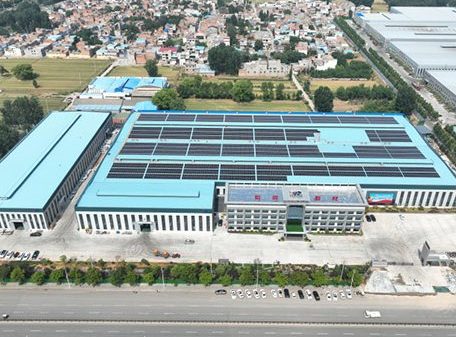

Send us your product, alloy, size, quantity and application requirements for a detailed quotation.