Download Products Catalogue
 Related Products



Position: Home > Products > Aluminum Strips
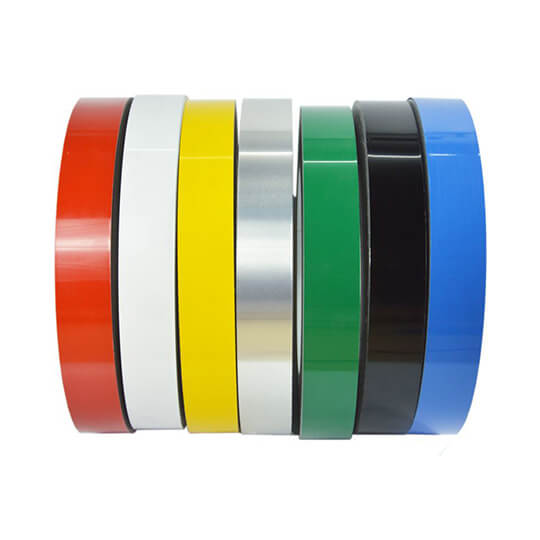
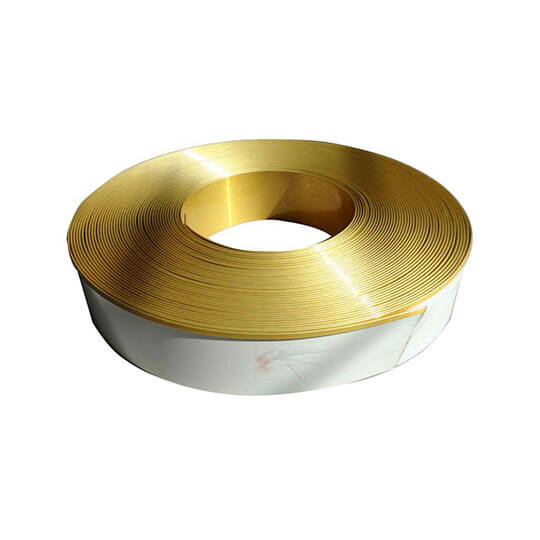
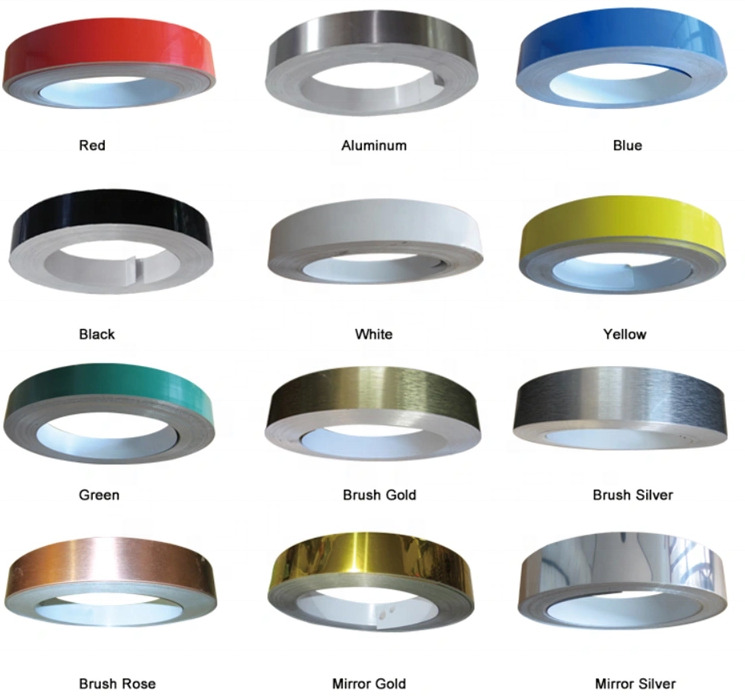
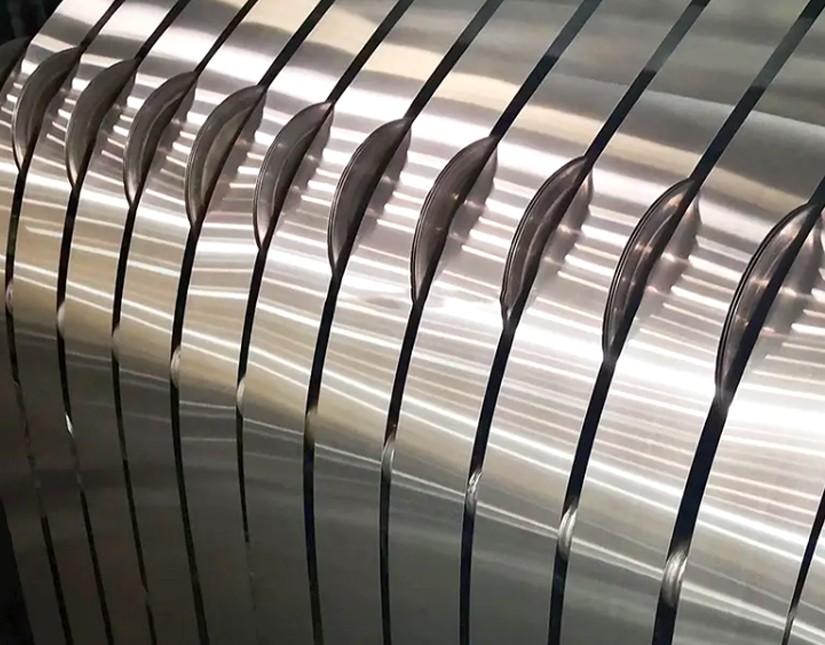
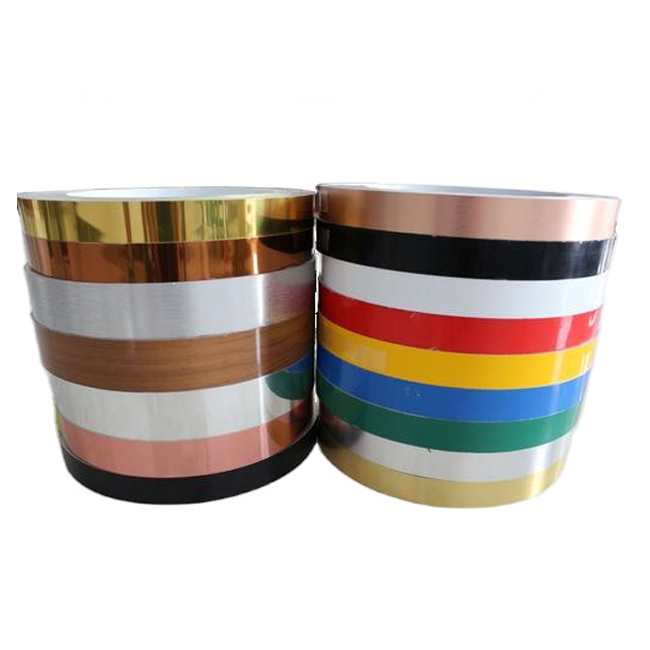
Aluminum strip is narrow-width flat aluminum supplied mainly in coil form for continuous forming, stamping, winding, roll forming and other industrial processes. It is commonly produced by slitting a wider aluminum coil into the required width and rewinding it into smaller coils. Buyers may also refer to this material as aluminum strip coil, aluminum slit coil or narrow aluminum coil.
Henan Worthwill Industry Co., Ltd. supplies aluminum strip in common alloys including 1050, 1060, 1070, 1100, 3003, 3004, 3105, 5005, 5052, 5754 and 8011, with O and H-series tempers selected according to forming, strength and application requirements. Available thickness, width and coil inner diameter depend on the strip type. Current supply ranges include mill finish strip, transformer strip, aluminum spacer strip and application-specific narrow coils.
Typical applications include transformer windings, channel letters and signage, insulating-glass spacer components, radiators and heat exchangers, electrical parts, trim, stamping and general industrial fabrication. Send the alloy, temper, thickness, width, coil ID or coil requirement, quantity, application and surface requirement, and Worthwill can review the suitable specification before quotation.
Aluminum strip is a narrow flat-rolled aluminum material normally supplied as a continuous coil. In most cases, a wider aluminum coil is slit to the required width and then rewound. This makes aluminum strip suitable for production lines that need consistent width, long continuous lengths and efficient feeding into stamping, bending, winding or roll-forming equipment.
The correct aluminum strip should be selected from the final application rather than from alloy number alone. Alloy, temper, thickness, width, edge condition, coil inner diameter, surface condition and downstream processing can all affect whether the material runs smoothly in the customer's equipment.
| Product Type | Common Alloys | Temper | Thickness | Width | Coil ID |
|---|---|---|---|---|---|
| Mill Finish Aluminum Strip | 1050, 1060, 1070, 1100, 3003, 3004, 3105, 5005, 5052, 5754, 8011 | O, H12, H14, H16, H18, H22, H24, H26 | 0.20–4.00 mm | 10–200 mm | 76, 152, 305, 405, 505 mm |
| Aluminum Single-Edge Strip | 1060 | H24 | 0.20–2.00 mm | 30–90 mm | Coil |
| Aluminum Spacer Strip | 1050, 1060, 1100, 3003 | H18, H19, H22, H24, H26 | 0.15–0.50 mm | 10–150 mm | 305, 405, 505 mm |
| Aluminum Transformer Strip | 1060, 1070 | O | 0.10–4.00 mm | 20–1500 mm | 405, 505 mm |
These are general published supply ranges for the listed strip types. Final availability depends on alloy, temper, width, thickness, coil size, quantity and technical requirements. Special specifications should be confirmed before production.
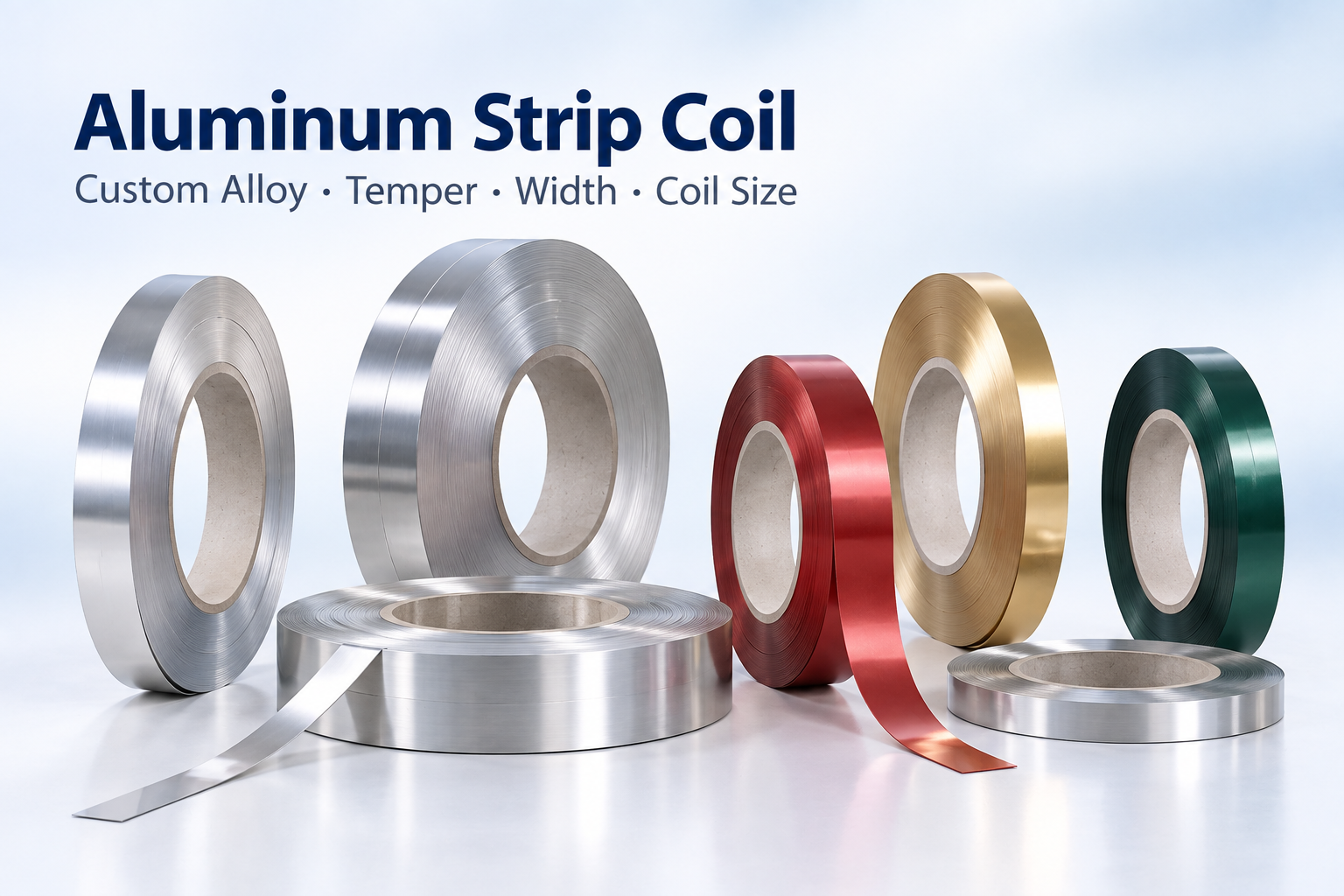
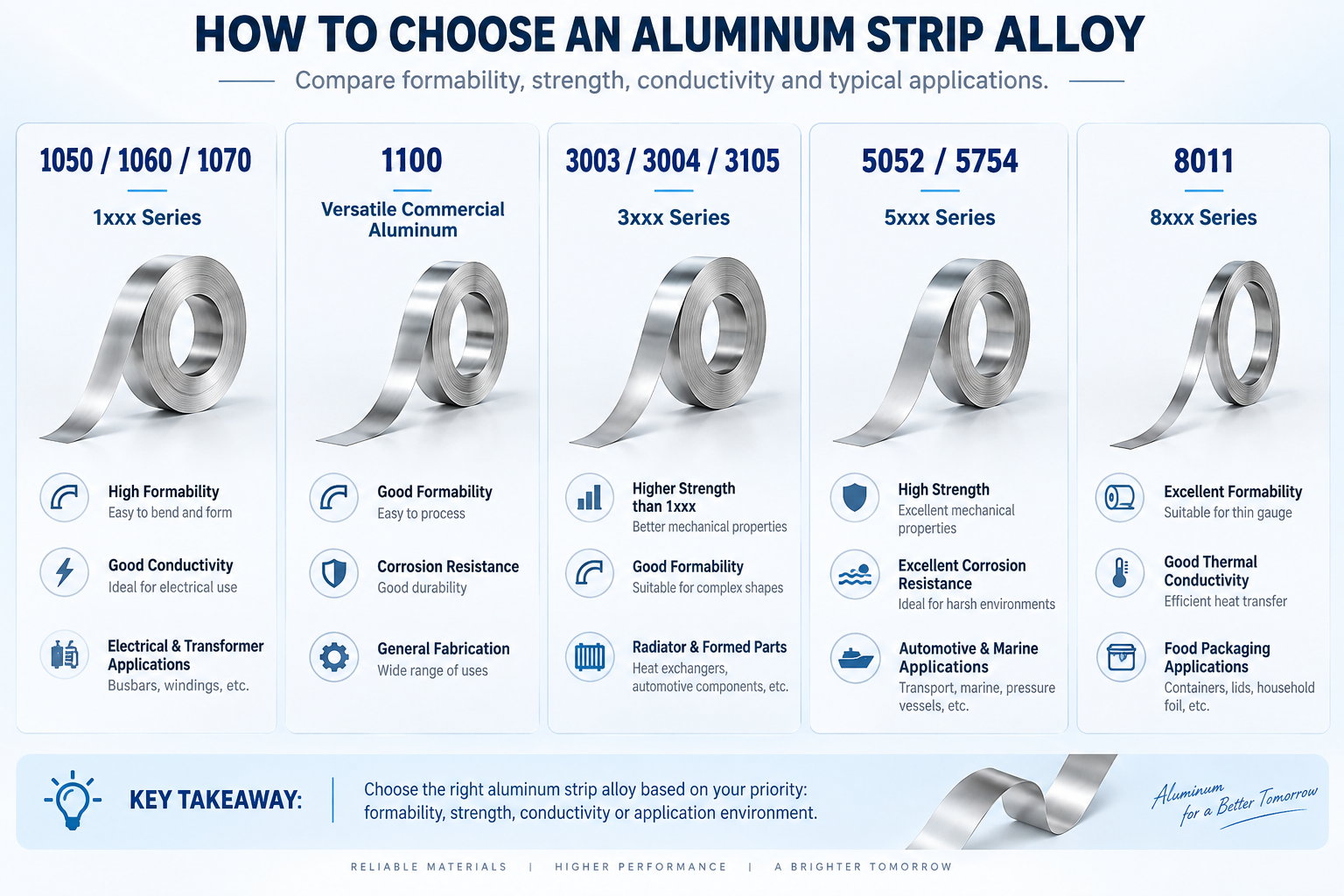
Different aluminum alloys provide different balances of formability, strength, conductivity and corrosion resistance. The best grade depends on how the strip will be processed and what the finished component needs to do.
| Alloy Group | General Characteristics | Typical Selection |
|---|---|---|
| 1050 / 1060 / 1070 | Commercially pure aluminum with high formability and good electrical and thermal conductivity | Transformer winding, electrical parts, stamping, bending and applications where conductivity and easy forming are priorities |
| 1100 | Commercially pure aluminum with good formability and corrosion resistance | General industrial fabrication, formed parts, trim and applications that specify 1100 |
| 3003 / 3004 / 3105 | Aluminum-manganese alloys with more strength than commercially pure 1xxx-series aluminum while retaining good forming performance | Radiator components, formed industrial parts, general fabrication and applications requiring additional stiffness |
| 5005 / 5052 / 5754 | Aluminum-magnesium alloys offering higher strength and good corrosion resistance | Fabricated parts, industrial components and applications where greater mechanical strength is required |
| 8011 | 8xxx-series aluminum used for selected thin-gauge and industrial strip applications | Application-specific strip where the specified forming, strength and processing requirements call for 8011 |
The closest alloy is not automatically interchangeable with another grade. If a drawing or purchasing specification states a specific alloy and standard, that requirement should be confirmed before production.
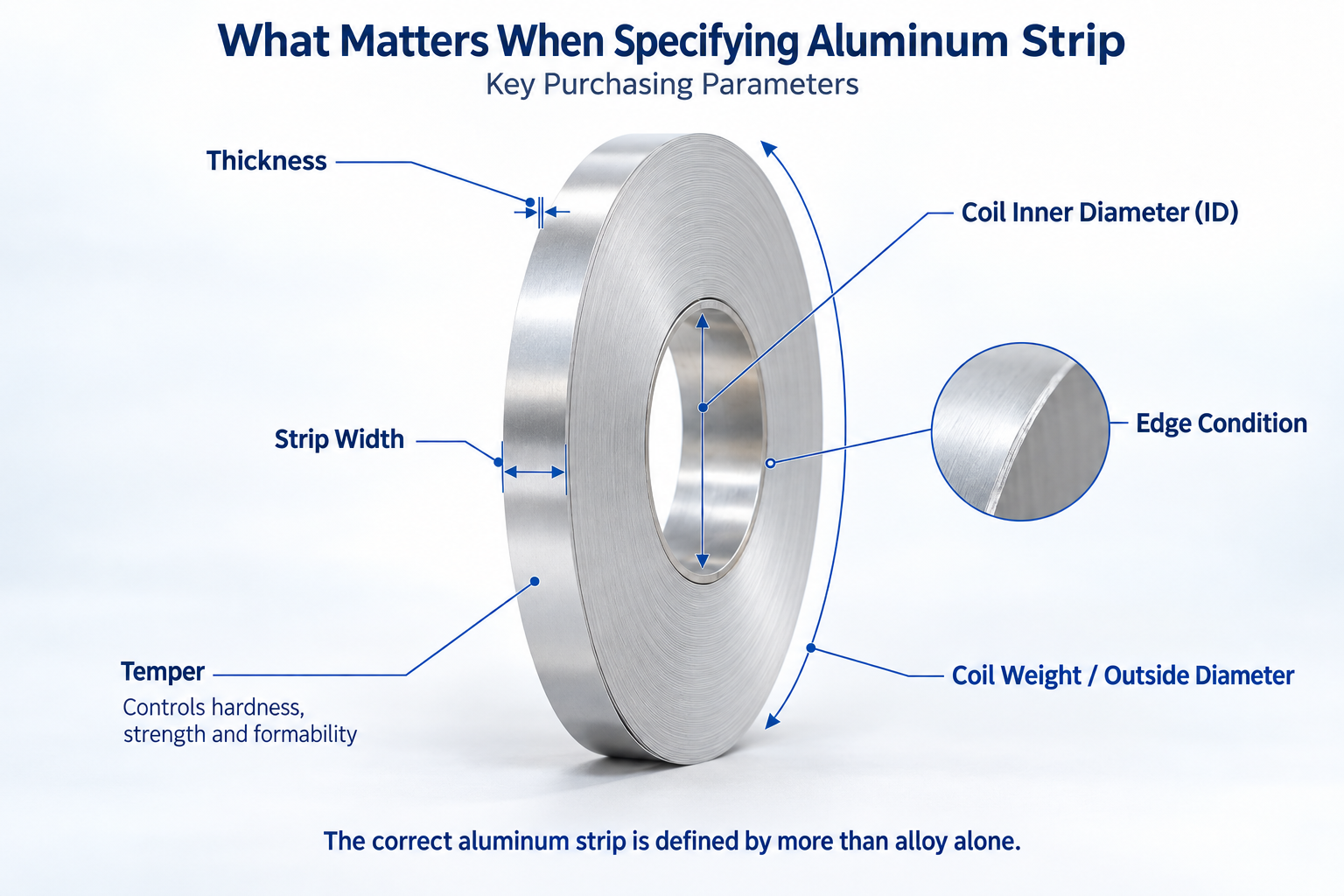
Temper controls the hardness, strength and formability of aluminum strip. O temper is the softest condition and is commonly selected where bending, winding or forming performance has priority. H-series tempers provide progressively different combinations of hardness and formability for stamping, roll forming and finished parts that need greater shape retention.
Strip width should be matched to the finished part and the customer's production equipment. Using coil that is already slit close to the required finished width can reduce in-house cutting and material handling, especially in continuous production.
Edge condition is also important. A strip that will be continuously fed, tightly wound, stamped or bent may need a different edge requirement from strip used for simple fabrication. Buyers should state any special burr, edge, tolerance or feeding requirement on the inquiry instead of relying only on nominal width.
Coil inner diameter, outside diameter and coil weight should also match the decoiler or winding equipment. For continuous production, these details can be as important as the alloy and thickness.
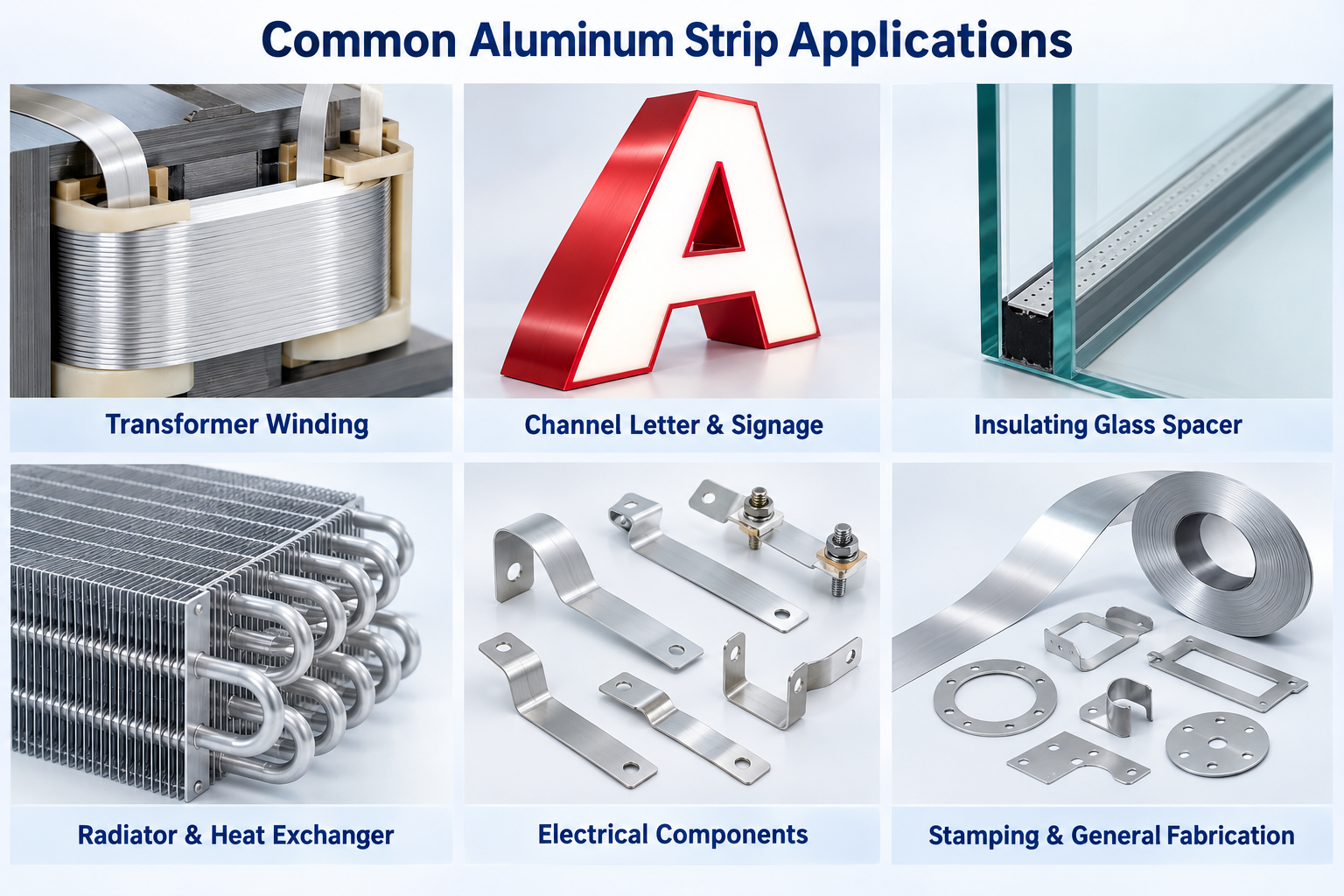
Transformer aluminum strip: 1060 and 1070 aluminum in O temper are commonly supplied for transformer winding applications. Material selection should consider conductivity requirements, strip thickness and width, coil ID, winding equipment and edge condition.
Channel letter and signage: Aluminum strip is widely used for the sidewalls and formed edges of channel letters and illuminated signs because it is lightweight and easy to bend and form. For dedicated signage material, see our Aluminum Channel Letter Strip.
Insulating-glass spacer components: 1050, 1060, 1100 and 3003 strip can be supplied for aluminum spacer applications. Temper, width, thickness and surface treatment should be selected according to the spacer profile and forming process.
Radiators and heat exchangers: 3000-series and 5000-series aluminum strip can be used for radiator, heat-transfer and formed components where thermal performance, corrosion resistance and suitable mechanical strength are required.
Electrical and industrial parts: High-purity 1xxx-series aluminum strip is suitable for selected conductive parts, electrical components and formed products where conductivity and easy fabrication are more important than high structural strength.
Stamping, trim and general fabrication: Aluminum strip can be fed directly into stamping, bending and roll-forming equipment for brackets, trim, covers, household components and other continuous-production parts.
Aluminum coil is the broader flat-rolled material supplied in coil form. Aluminum strip is normally the narrower material produced by slitting aluminum coil to a specified width.
In purchasing practice, the terms can overlap. A buyer may search for aluminum strip coil, aluminum slit coil or narrow aluminum coil when the actual requirement is the same: continuous aluminum material supplied at a controlled narrow width.
The important specification is therefore not the name alone. The purchase order should clearly state the alloy, temper, thickness, width, edge condition, coil ID, coil weight or outside diameter and any surface or tolerance requirement.
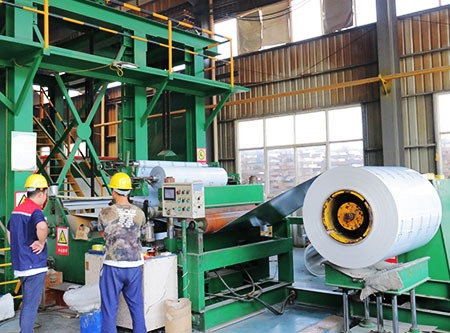
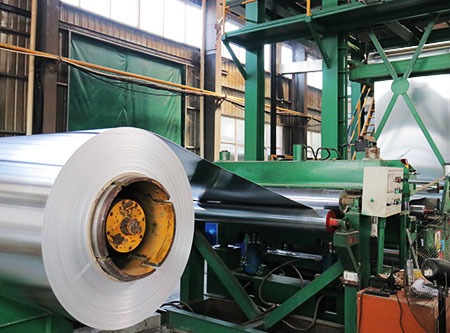
Worthwill can discuss aluminum strip supply according to the downstream production process. Common processing includes slitting, rewinding, edge trimming and coil preparation for continuous feeding. Other processing requirements should be specified according to the finished product.
Mill finish is common for general industrial aluminum strip. Coated or other surface-treated material can also be discussed when the application requires color, additional surface protection or a specific appearance. The required surface should be stated clearly because coating, forming and slitting requirements can affect the production route.
For visible parts, buyers should also specify whether one or both sides are appearance surfaces and whether protective film, paper interleaving or other surface protection is required.
For aluminum strip orders, inspection can cover alloy, temper, thickness, width, coil inner diameter, coil weight, surface condition and edge quality according to the agreed specification. When special dimensional tolerances or downstream feeding requirements are important, they should be stated before production.
Material and inspection documents should also be agreed in advance when the order requires a mill test certificate or third-party inspection.
Export packing is selected to reduce moisture exposure, coil movement, edge damage and surface scratching during transportation. Packing method should be matched to coil size, shipment method and customer handling requirements.
For an accurate aluminum strip quotation, please provide the product type or application, required alloy and standard, temper, thickness, width, coil inner diameter, coil weight or outside diameter if specified, quantity, surface requirement, edge requirement, dimensional tolerance, destination and any required inspection documents.
If the exact alloy or temper has not yet been decided, send the finished application, forming method and target dimensions. Worthwill can review the requirement and discuss a practical material specification before quotation.
What is aluminum strip? Aluminum strip is narrow flat-rolled aluminum normally supplied in continuous coil form. It is commonly produced by slitting wider aluminum coil to a specified width and rewinding it for further processing.
Is aluminum strip the same as aluminum coil? Aluminum strip is a type of aluminum coil, but it normally refers to narrower-width material. Full-width coil can be slit into one or more narrow aluminum strips according to the required finished width.
Which alloy is commonly used for aluminum strip? Common grades include 1050, 1060, 1070, 1100, 3003, 3004, 3105, 5005, 5052, 5754 and 8011. The correct alloy depends on conductivity, strength, formability, corrosion resistance and the final application.
Can Worthwill supply custom-width aluminum strip? Yes. Width should be specified according to the finished part and production equipment. Available width depends on alloy, temper, thickness, quantity and the selected strip type.
Which aluminum strip is used for transformer windings? 1060 and 1070 aluminum strip in O temper are commonly supplied for transformer winding applications. Thickness, width, conductivity requirements, edge condition and coil dimensions should be confirmed for the winding equipment.
What should I provide when ordering aluminum strip? Please provide the alloy and standard, temper, thickness, width, coil ID, required coil weight or outside diameter, quantity, application, surface requirement, edge or tolerance requirement, destination and required inspection documents.
Henan Worthwill Industry Co., Ltd. supplies custom aluminum strip and slit coil for transformer, signage, insulating-glass, radiator, electrical and general industrial applications. Send your specification, drawing or finished application, and our team can review the alloy, temper, dimensions, coil requirement, surface, processing and packing before quotation.
| Commodity | Alloy | Temper | Thickness (mm) | Width (mm) | ID (mm) |
|---|---|---|---|---|---|
| Mill Finish Aluminum Strip | 1050 / 1060 / 1070 / 1100 / 3003 / 3004 / 3105 / 5005 / 5052 / 5754 / 8011 | O, H12, H14, H16, H18, H22, H24, H26 | 0.20–4.00 | 10–200 | 76, 152, 305, 405, 505 |
| Aluminum Single-Edge Strip | 1060 | H24 | 0.20–2.00 | 30–90 | Coil |
| Aluminum Spacer Strip | 1050 / 1060 / 1100 / 3003 | H18, H19, H22, H24, H26 | 0.15–0.50 | 10–150 | 305, 405, 505 |
| Aluminum Transformer Strip | 1060 / 1070 | O | 0.10–4.00 | 20–1500 | 405, 505 |
Special specifications can be reviewed and customized according to the application, alloy, temper, dimensions, quantity and processing requirements.
Send us your product, alloy, size, quantity and application requirements for a detailed quotation.